

Map #7 Costa Rica
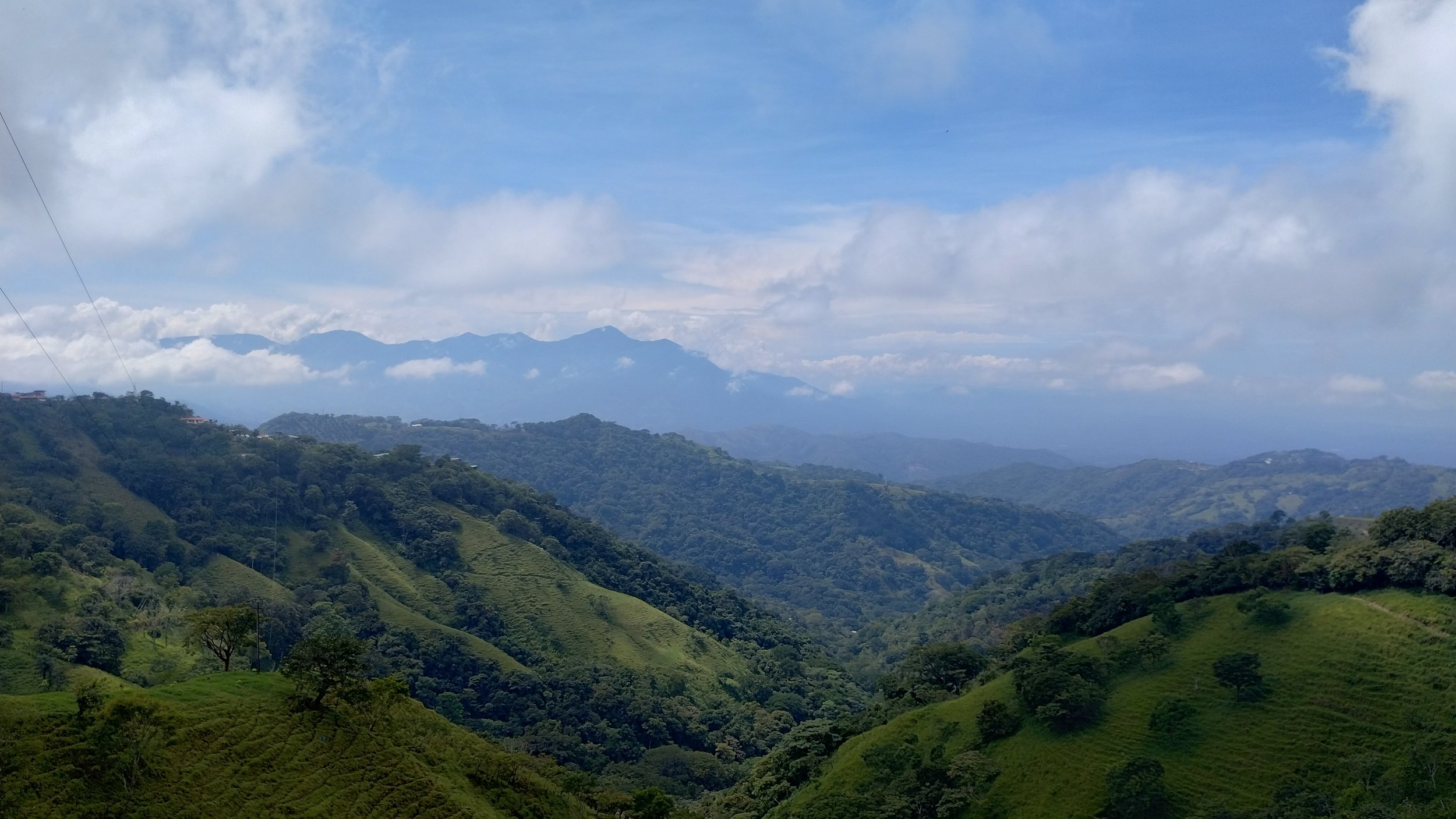
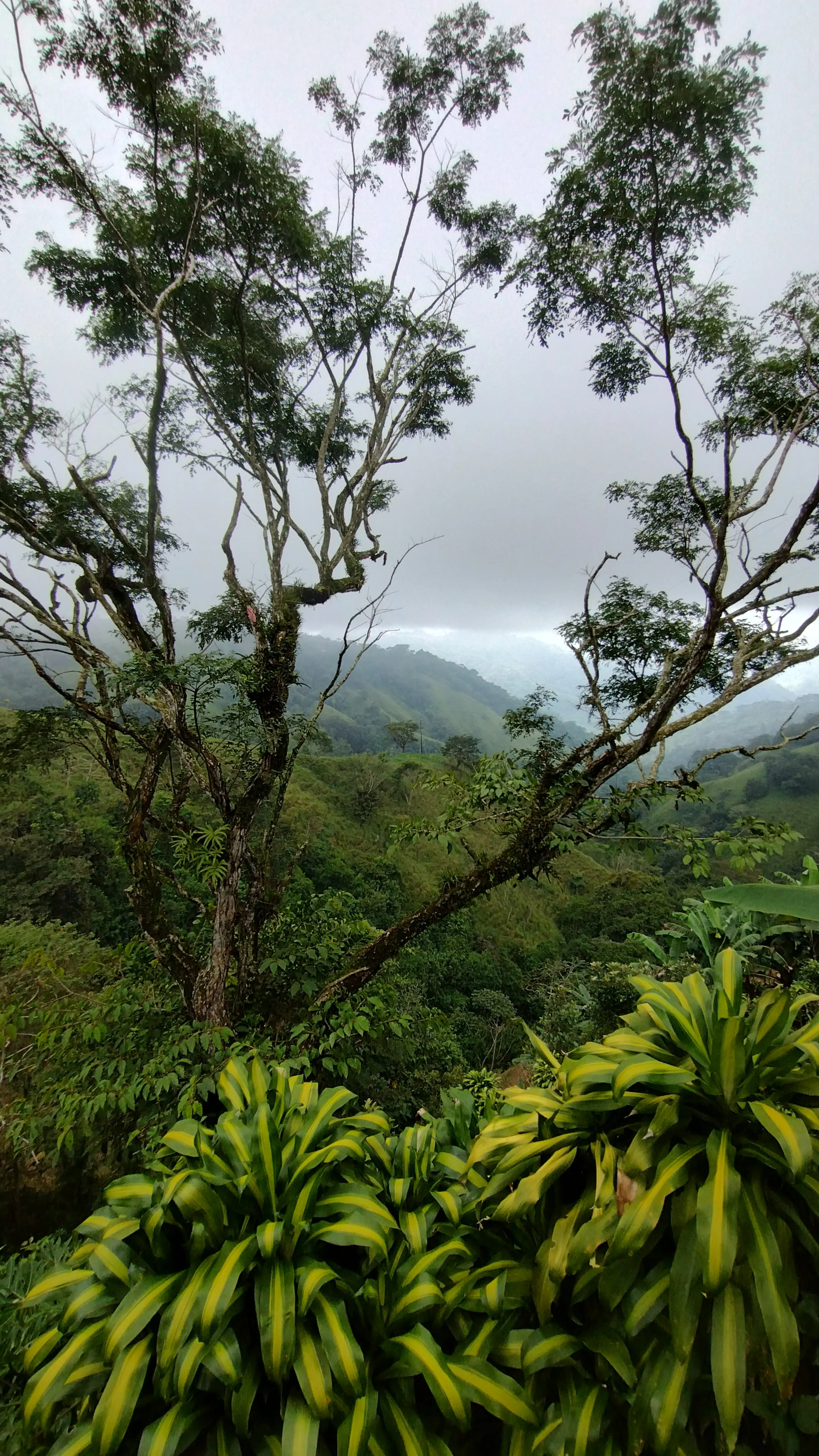
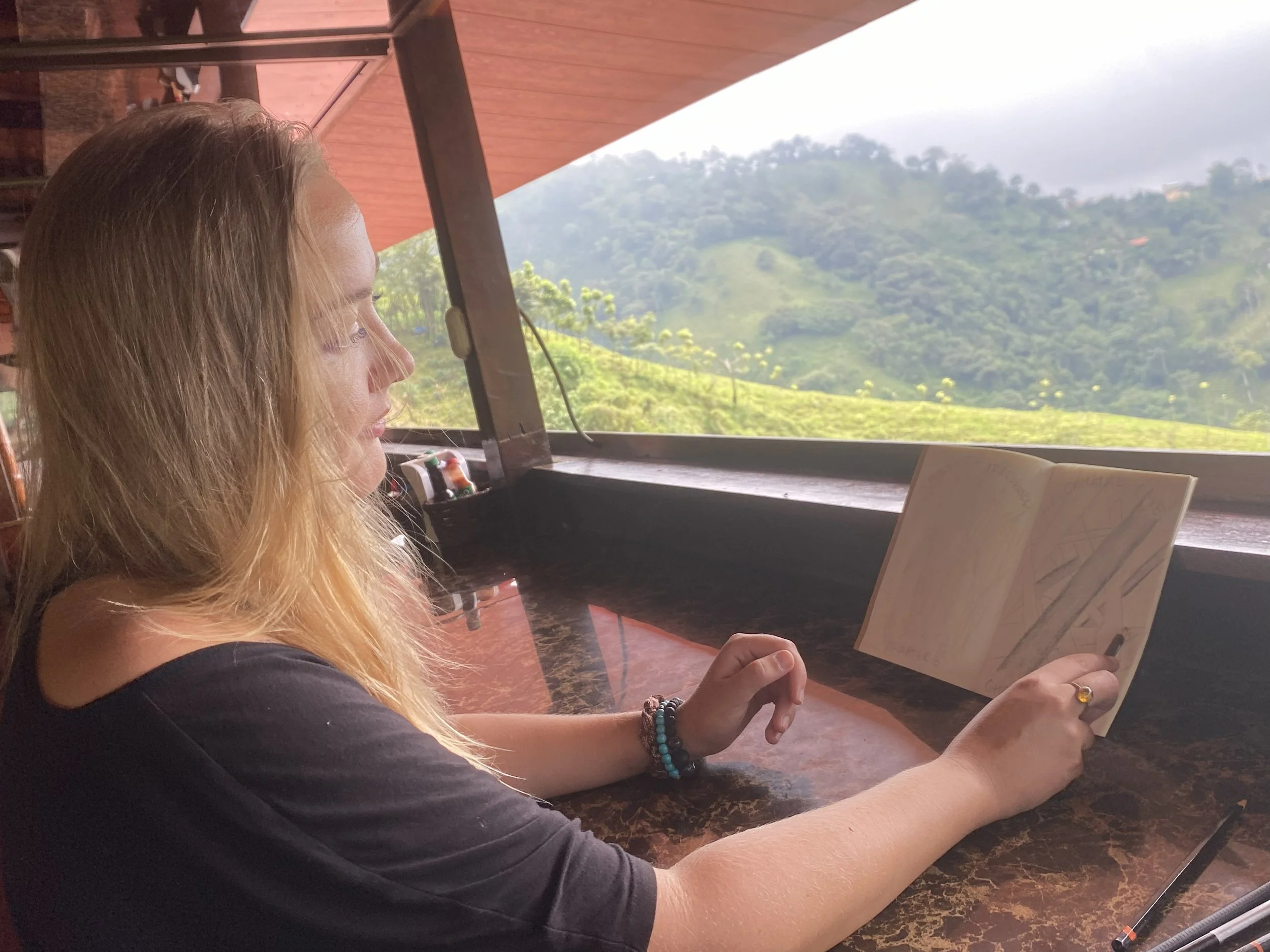
I’m just concluding my final day of my artist residency at Casa Uno in Costa Rica, after sharing my map and leading a short drawing activity in the final showcase. It was a good opportunity to reflect on the journey since I started on August 15th in Switzerland — and I think Costa Rica has been the most layered experience to date. I want to share why…
Three of Cups
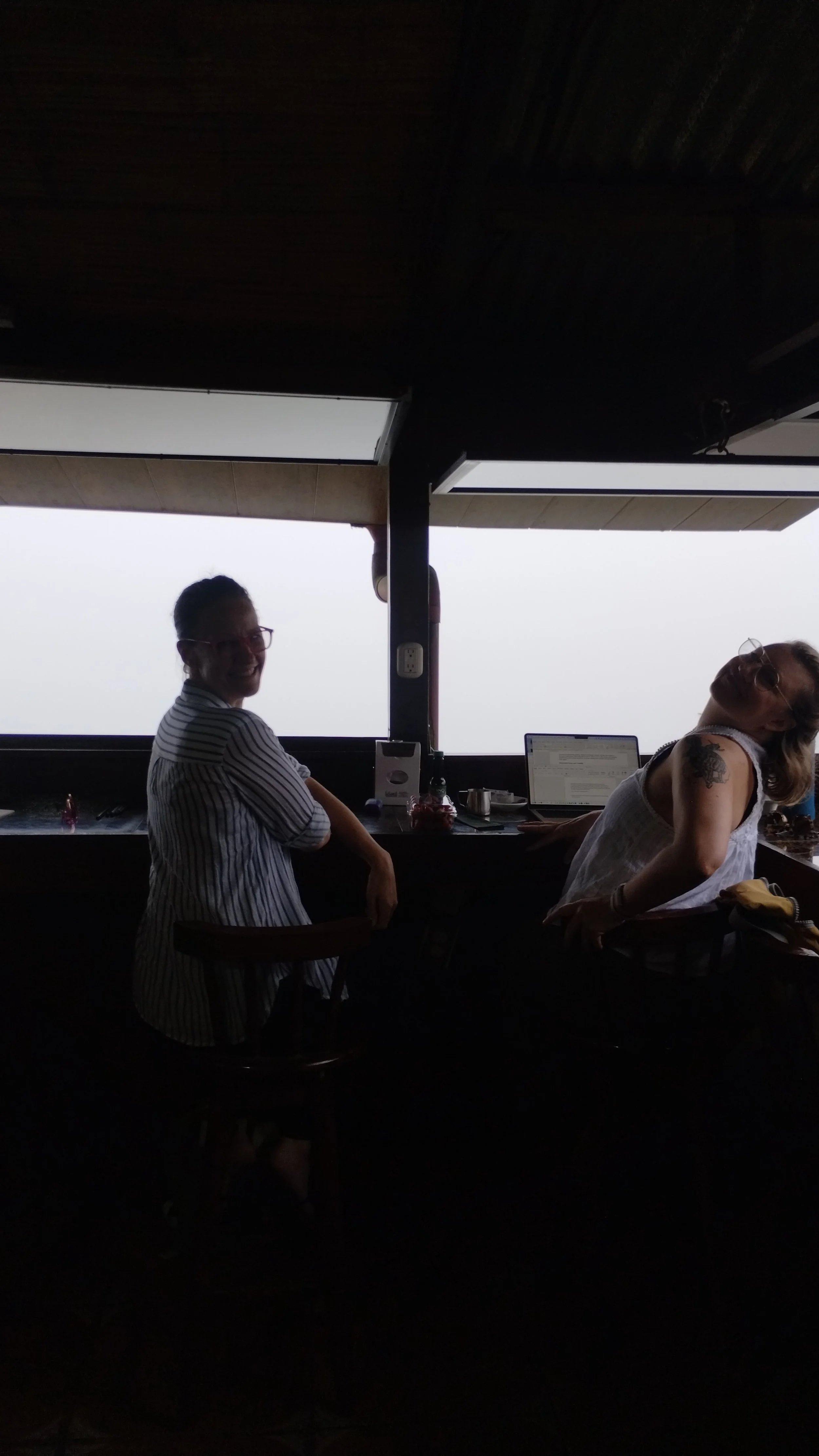
I want to start by acknowledging the friendships that were cultivated during my three-week stay at Casa Uno. I was blessed to be paired with two amazing women, and together we created a genuine support system for one another. This connection held the insights and creative processes we went through in an incredibly beautiful way.
Creating art can often be an isolated experience, and genuine support isn’t something you can manufacture. But when it’s present during complex creative making, it allows for deeper and more expansive growth. A kind of collaboration — though not one I’ve come across before — and I’m so grateful to have had it here.
The Labyrinth
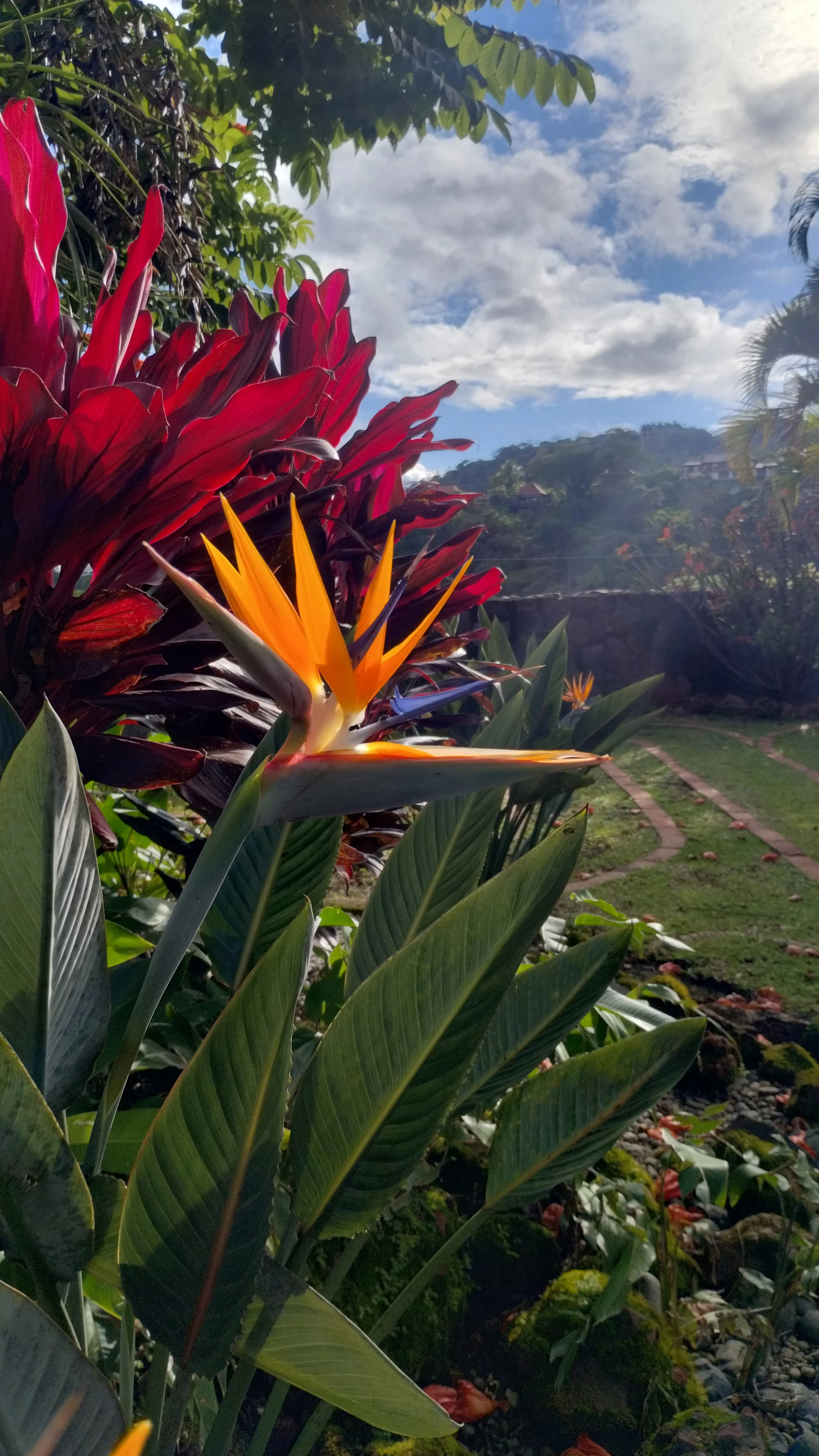
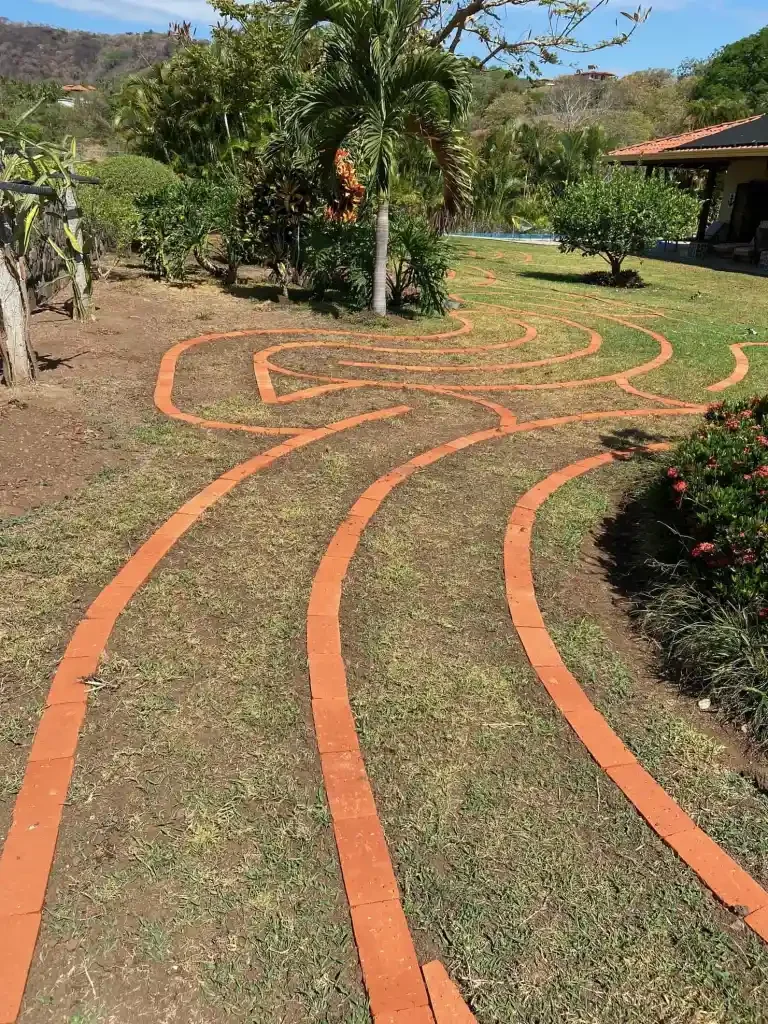
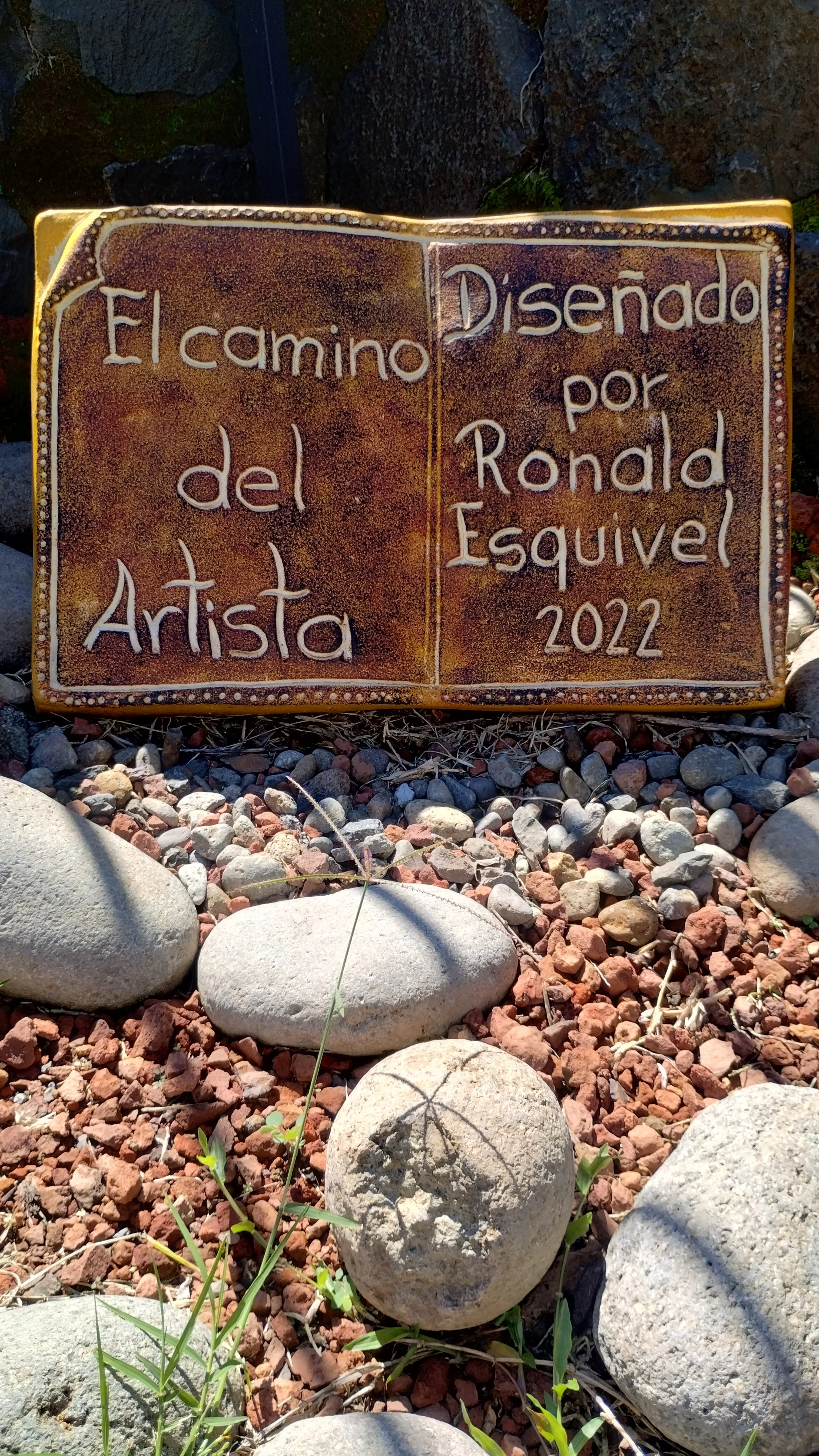
I’ve heard of labyrinths before, mostly from watching Labyrinth with David Bowie as a child (and being terrified of the goblins!). But at Casa Uno there’s a commissioned labyrinth titled The Artist’s Way, with crystals buried at certain points to enhance specific streams of energy — created by Ronald Esquivel.
I later learned that one of my fellow residents had walked the famous Camino de Santiago pilgrimage (the same one referenced in Map #2: Course), setting the intention for physical travel. “Buen Camino” — “good path” — is the blessing pilgrims exchange when they meet on their journey. That’s when I knew my residency had truly begun. My mind burst open with connections as this travel journey I dubbed The Art of Pilgrimage. Now, I was presented with a labyrinth that represented this same journey inward.
Labyrinths were originally installed in places of worship — churches and cathedrals — as a meditative substitute for physical pilgrimage when travel was too dangerous or impossible.
The first labyrinths appeared in Greek mythology, where Ariadne’s Thread was given to Theseus so he wouldn’t get lost during his mission to the Minotaur. Ariadne’s golden thread also symbolizes the process of understanding and solving complex problems.
It amazed me that labyrinths hadn’t entered my creative realm until now — but it seems the right time had finally come.
THE FERN
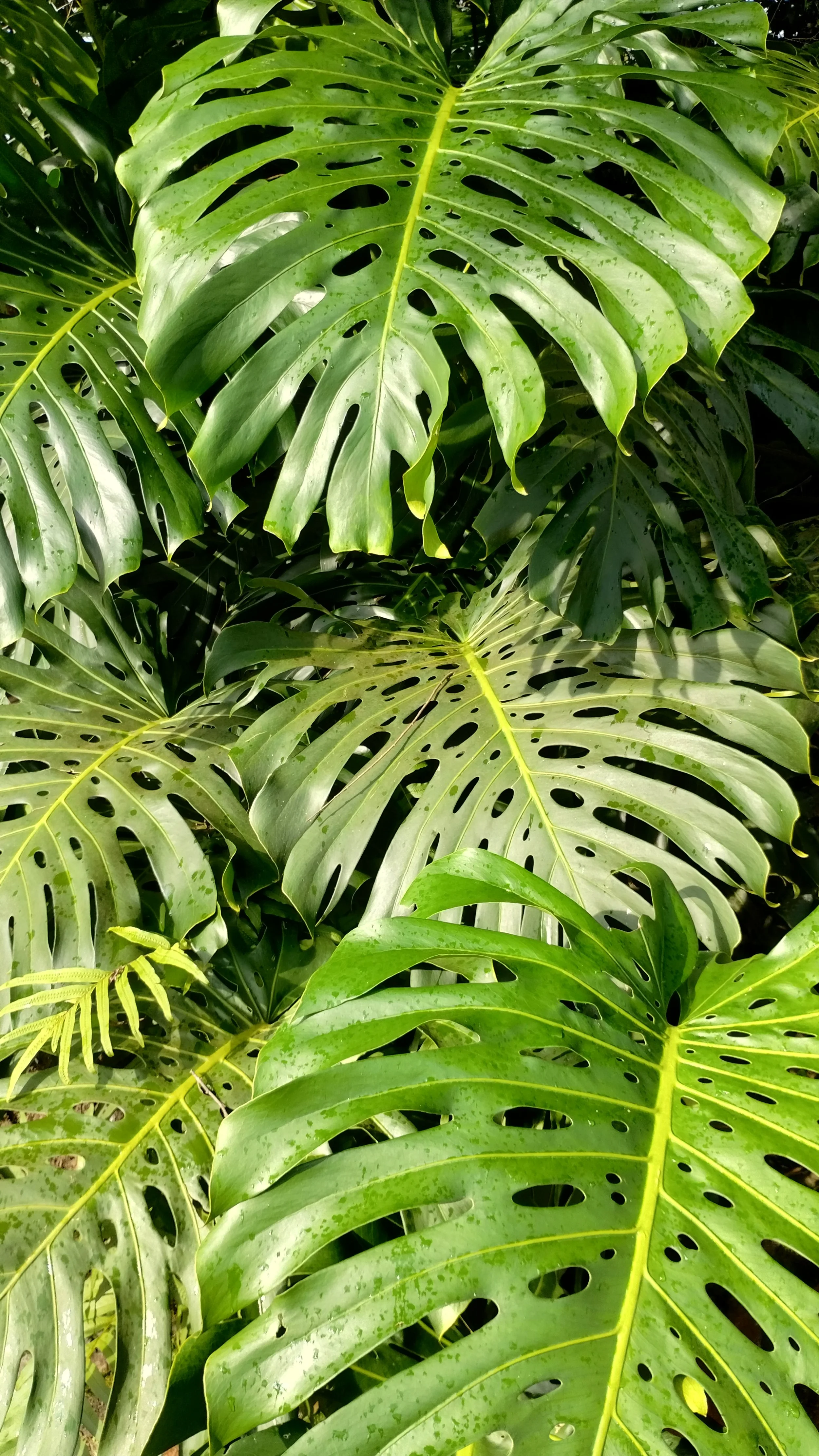
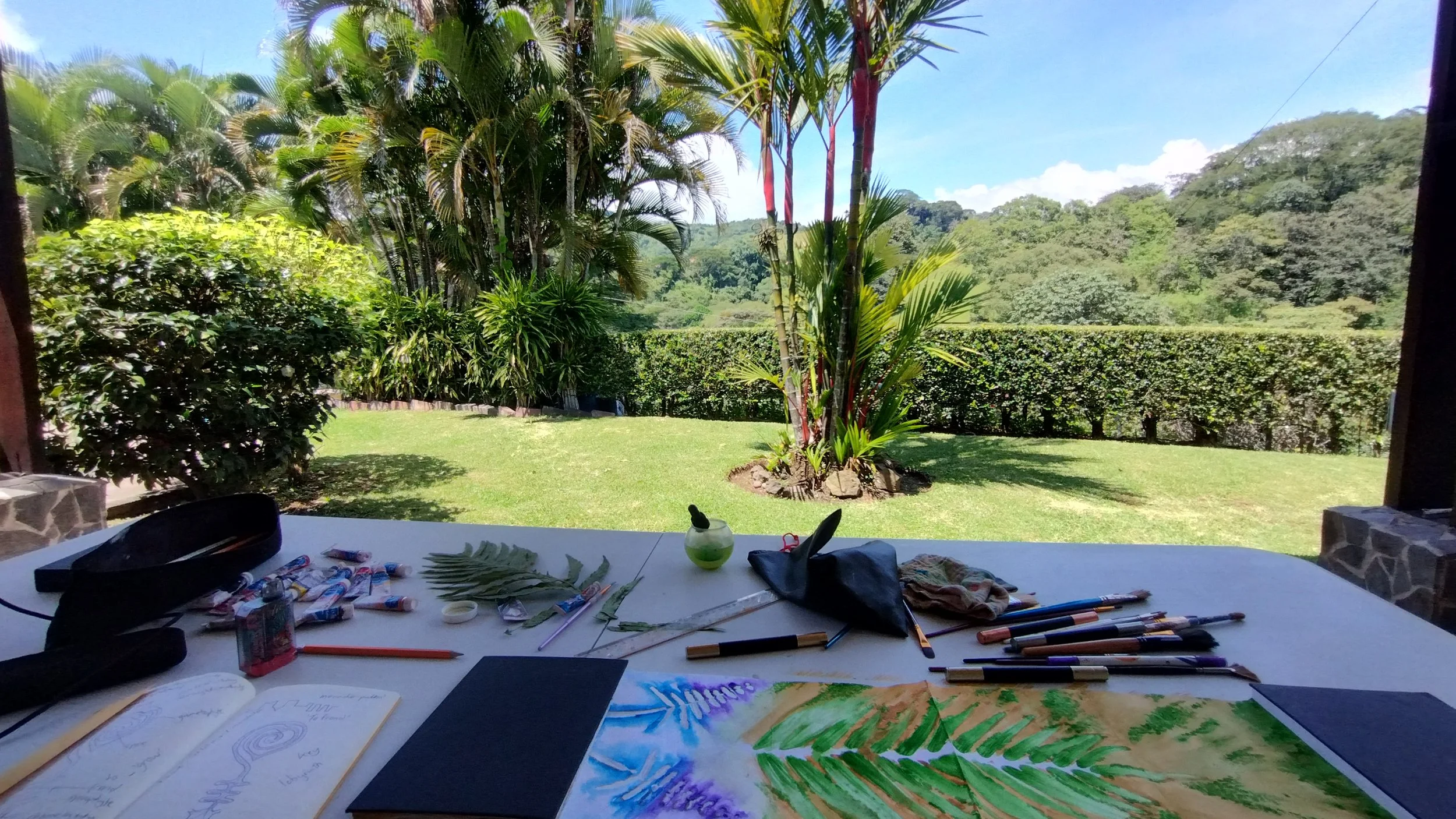
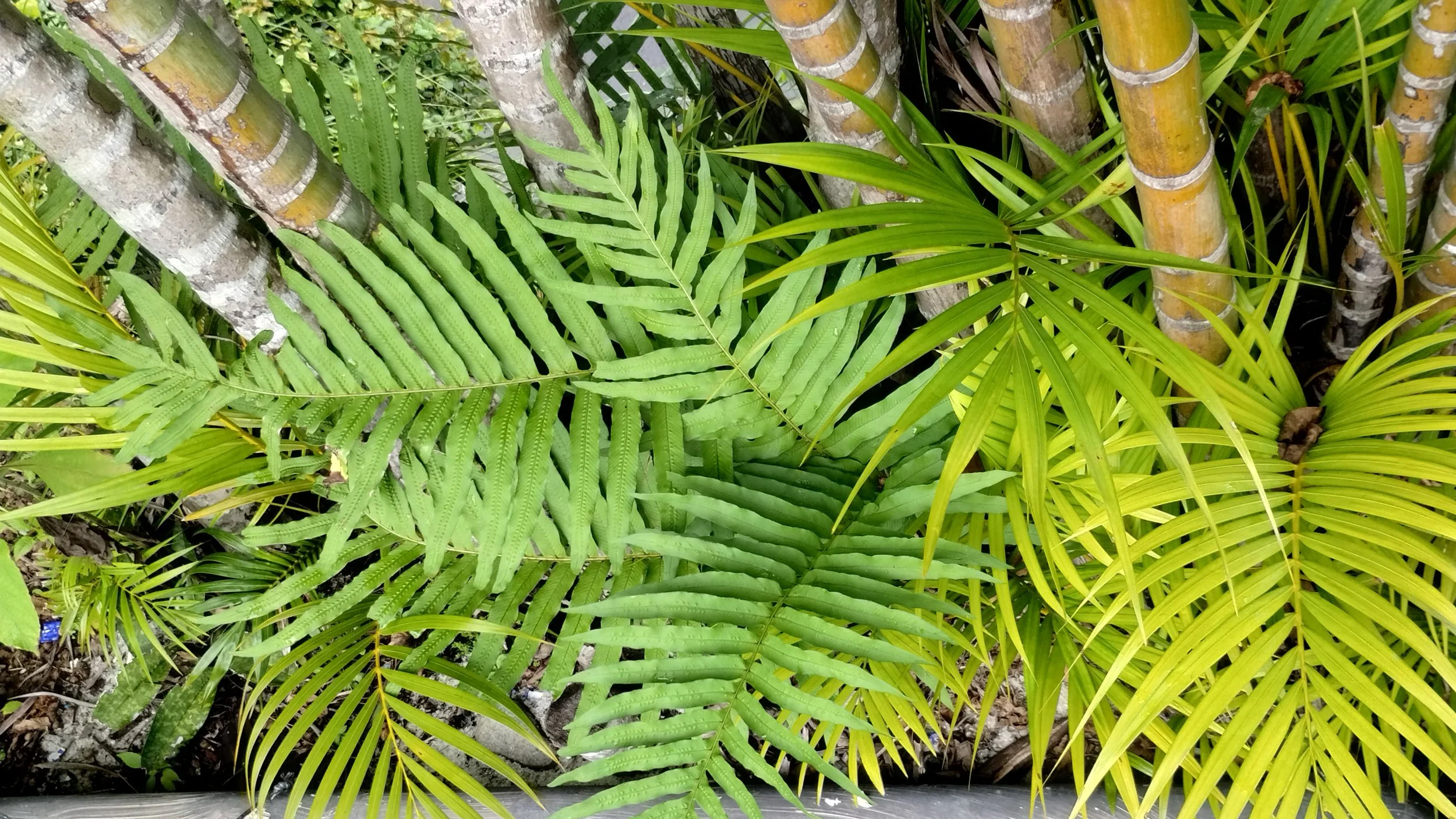
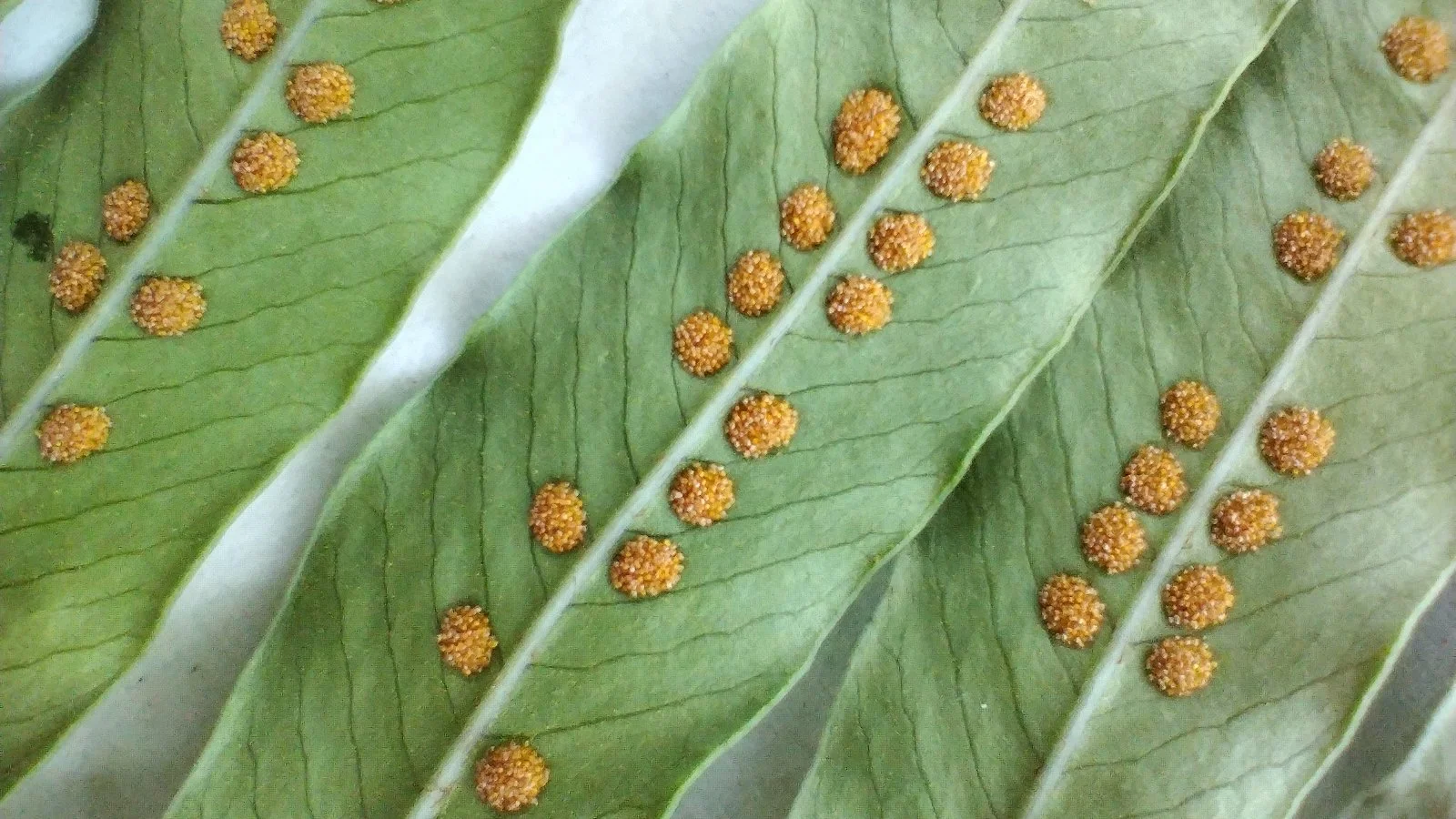
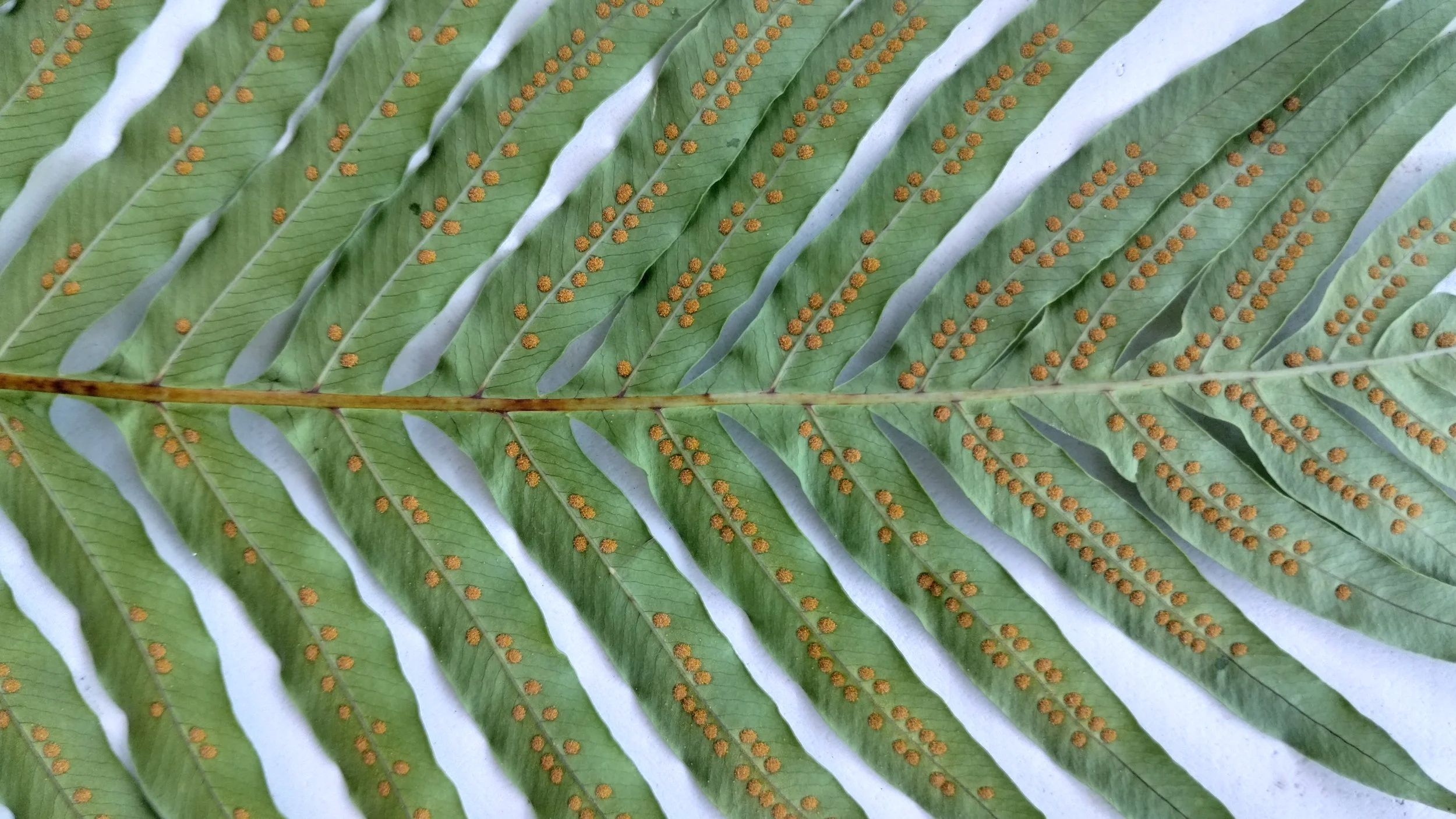
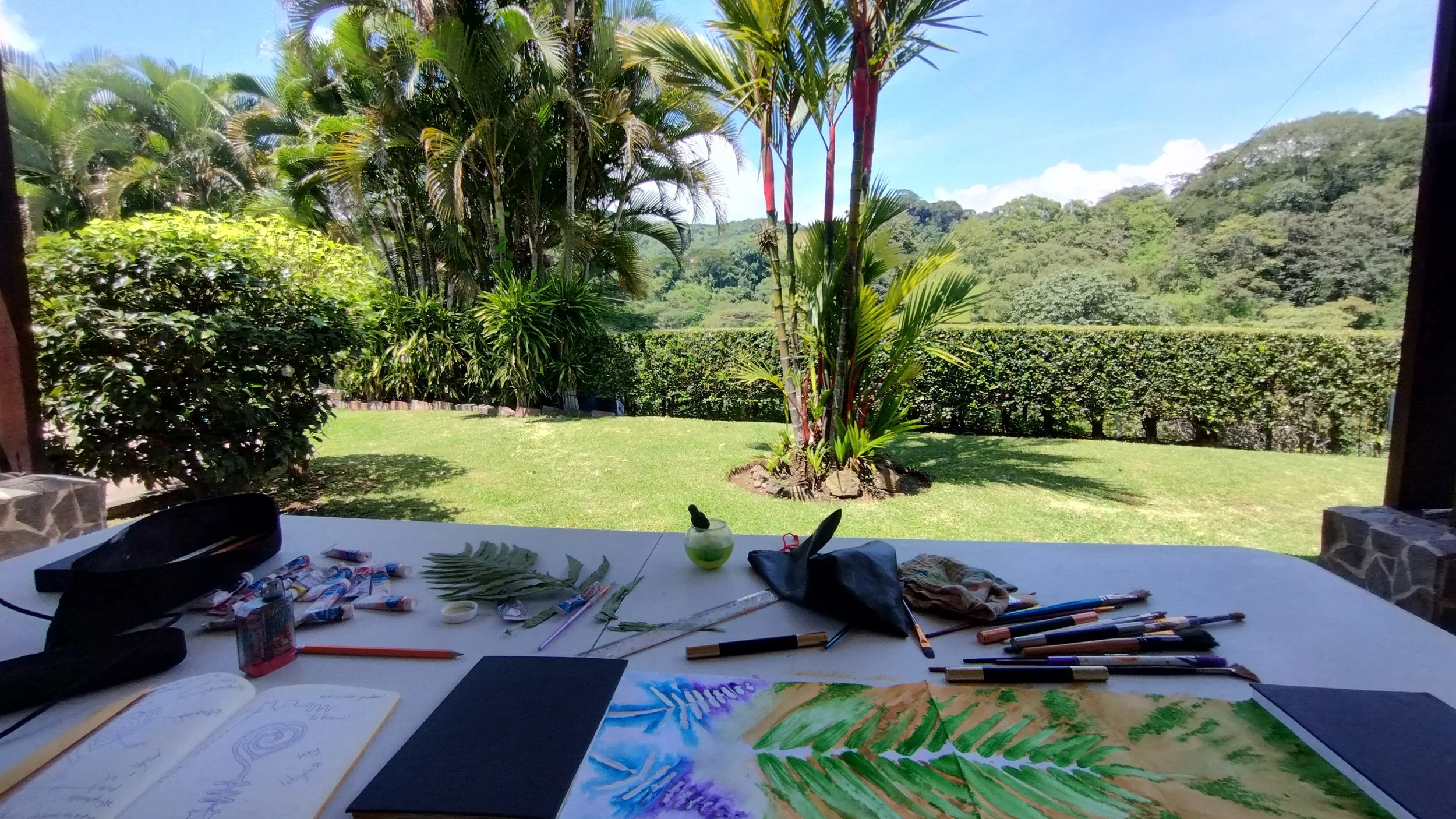
At every space I visit, I start with the fern — and this residency was no different. I found one on the grounds and discovered that its Latin name translates to Golden Vein. I couldn’t make this up! From Ariadne’s golden thread to the labyrinth, and now the fern mirroring the concept — it was too aligned to ignore.
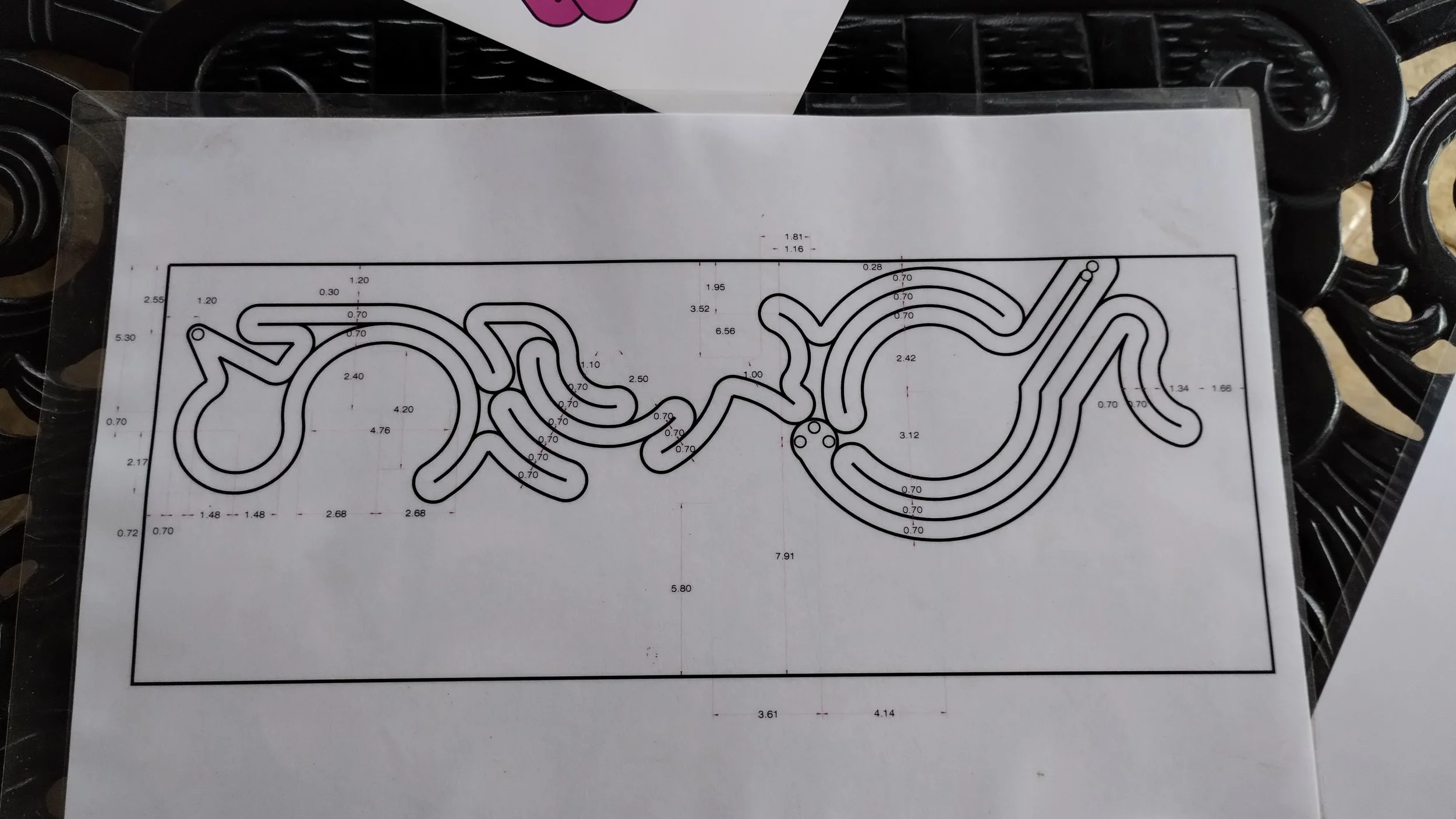
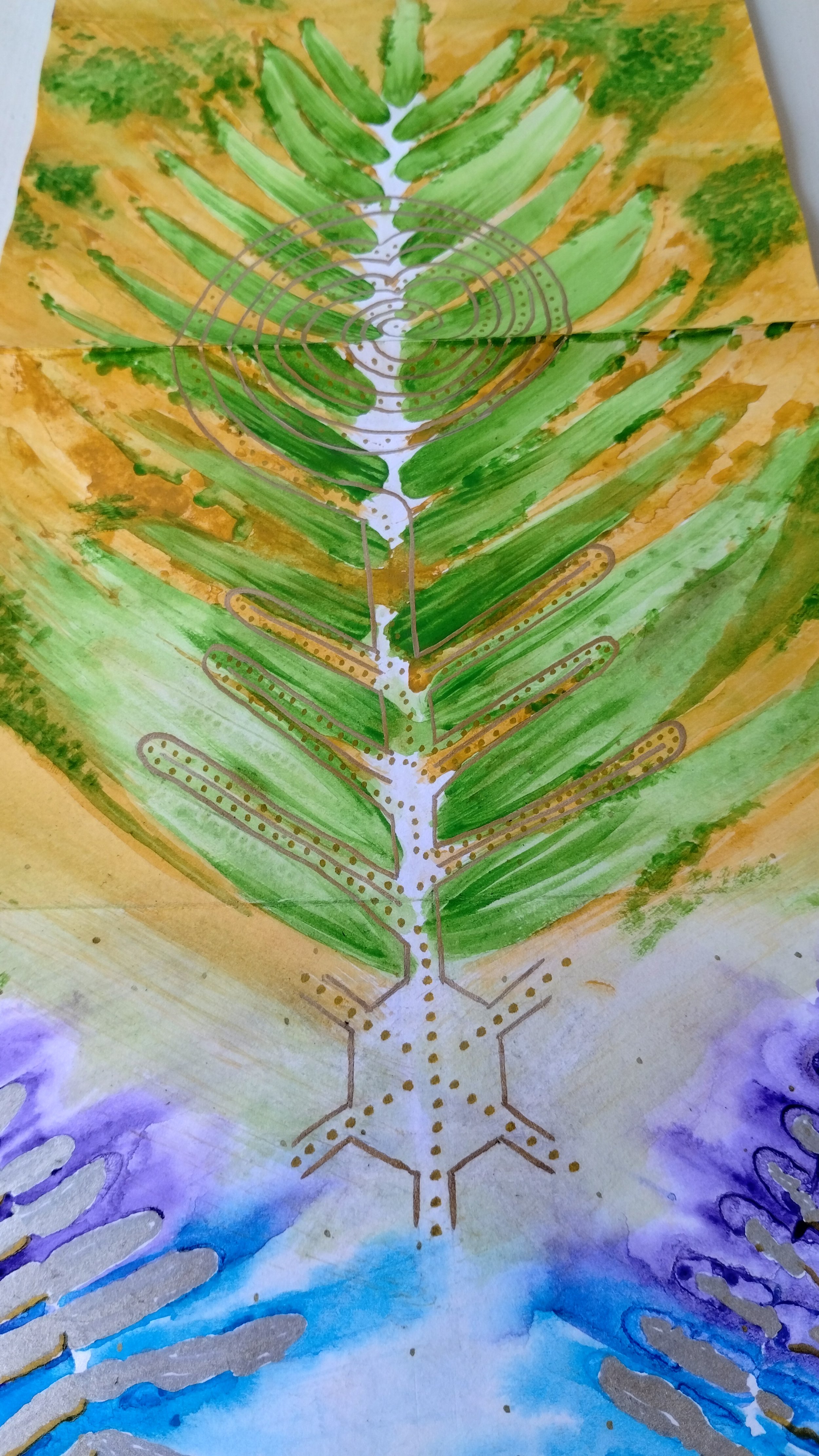
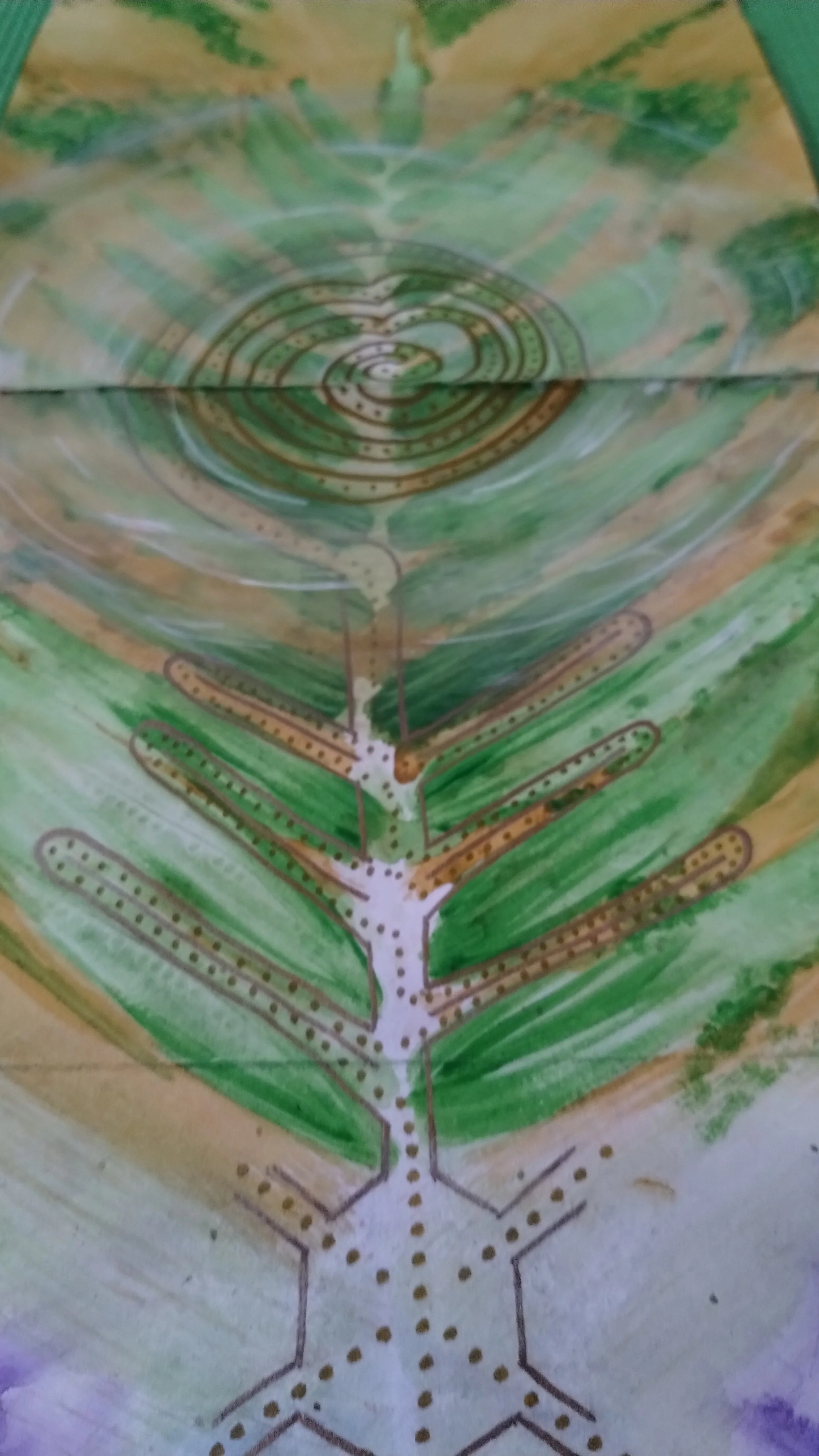
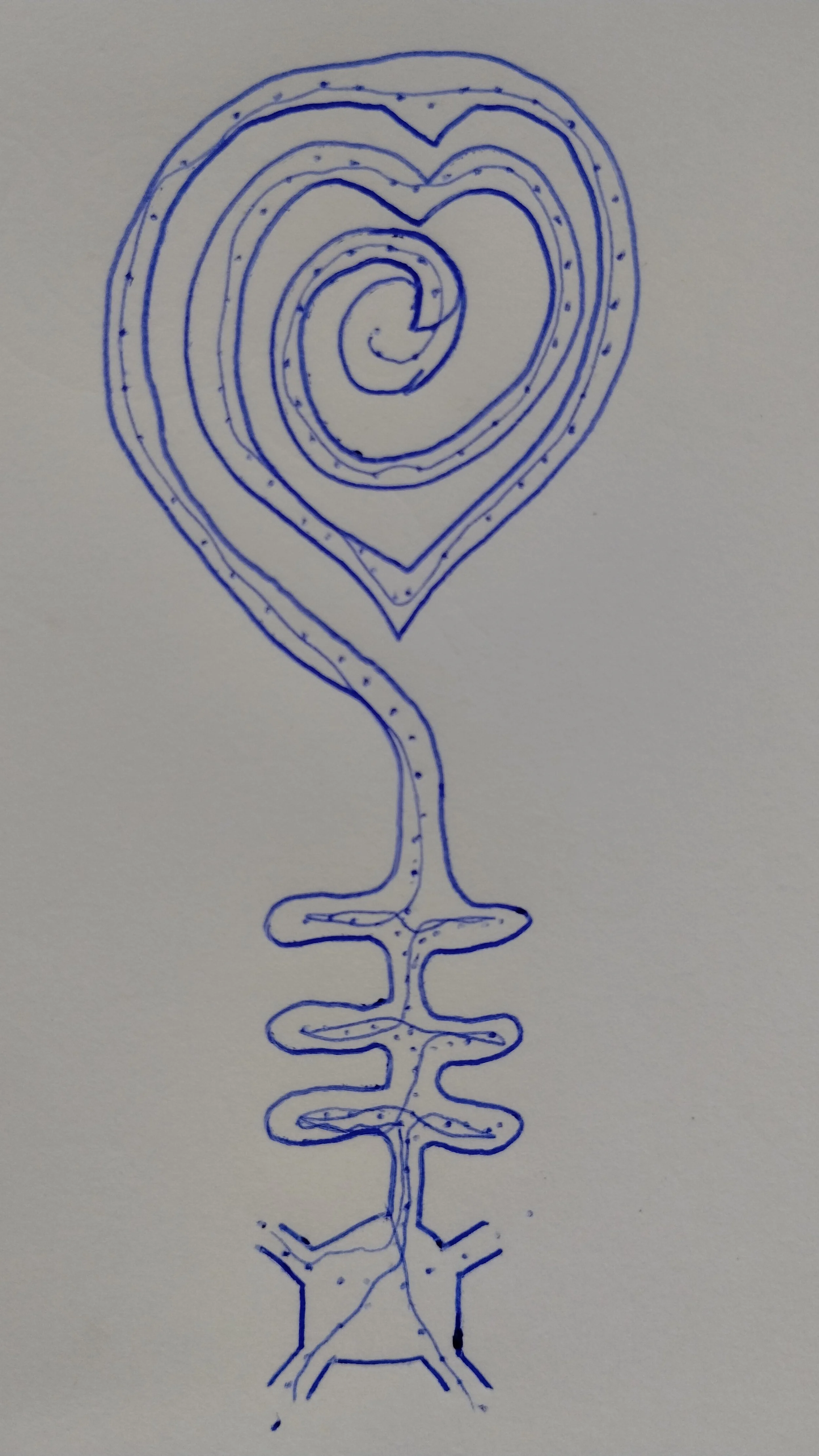
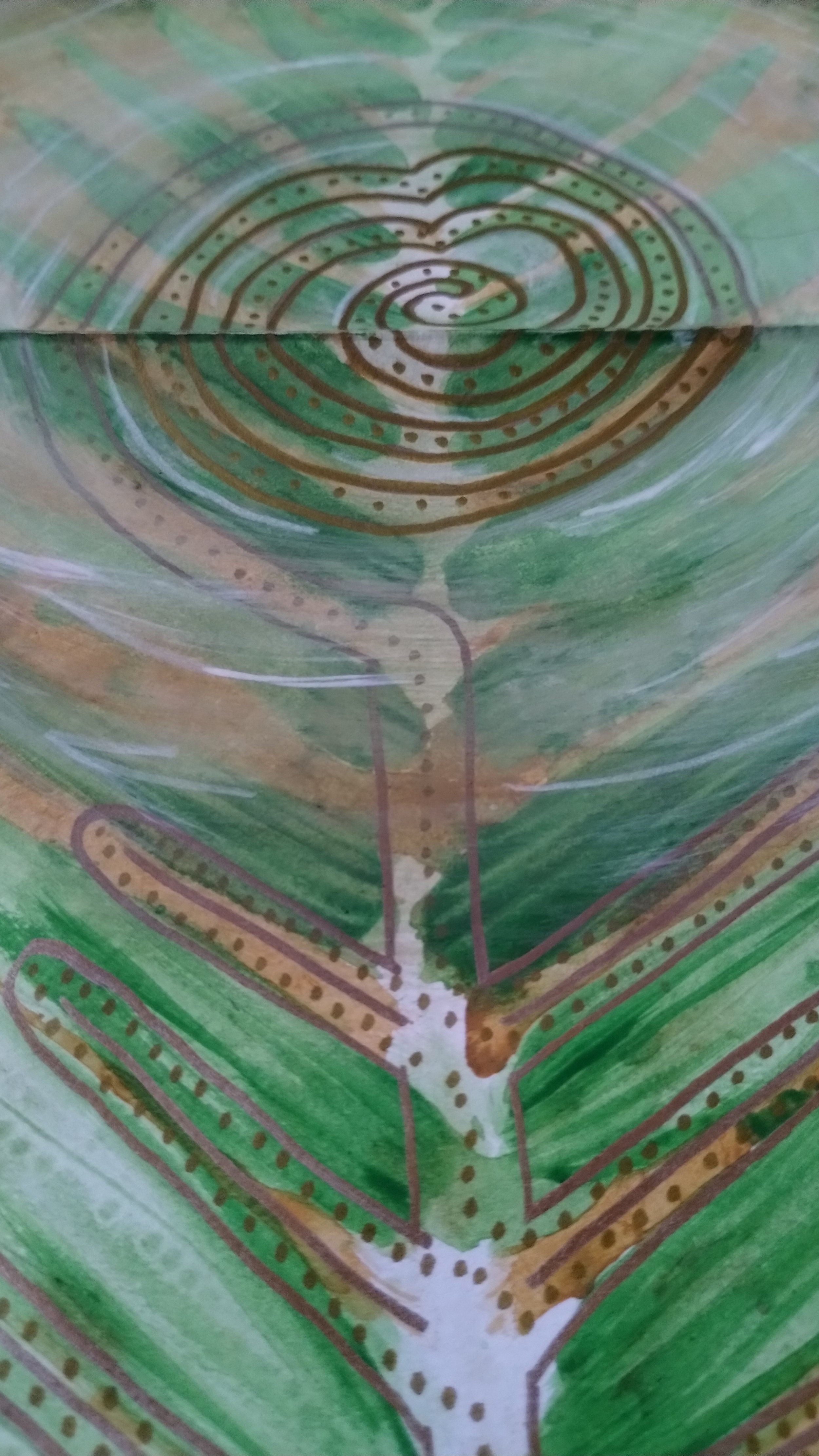
I decided to design my own labyrinth based on the growth process of a fern. I studied how labyrinths are constructed — from meander patterns to the guiding principle that there’s only one route (unlike a maze, where you can get lost).
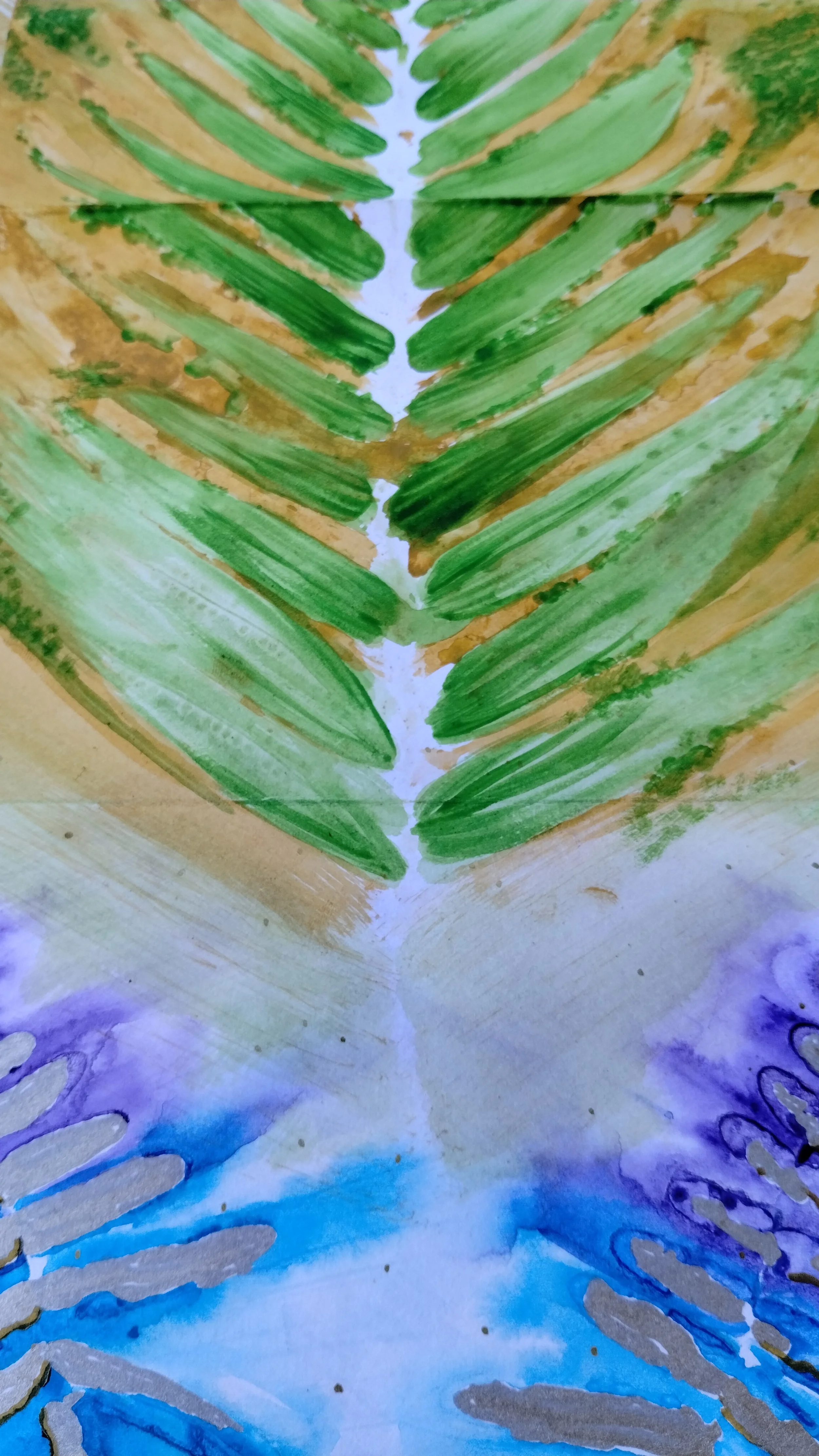
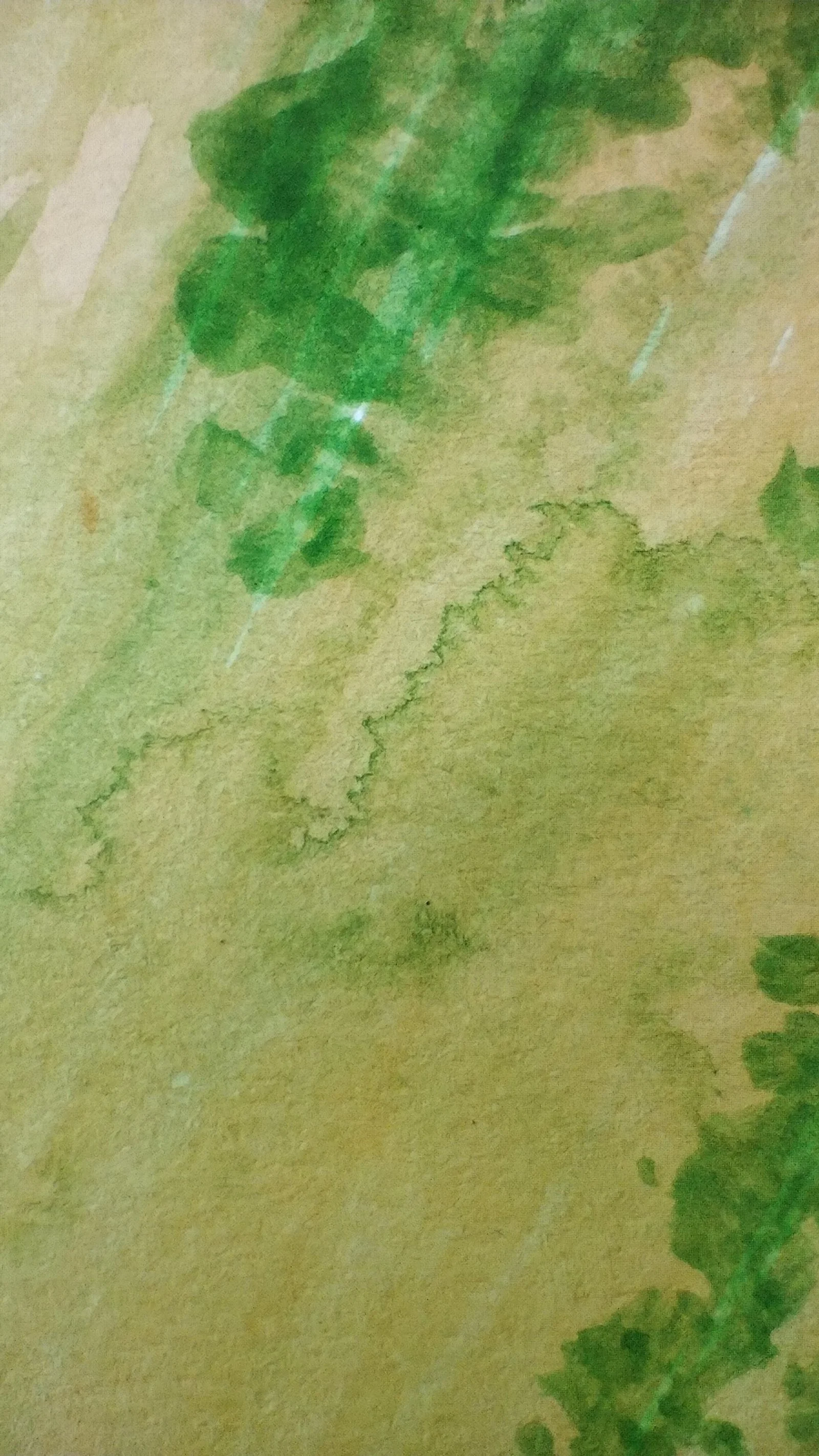
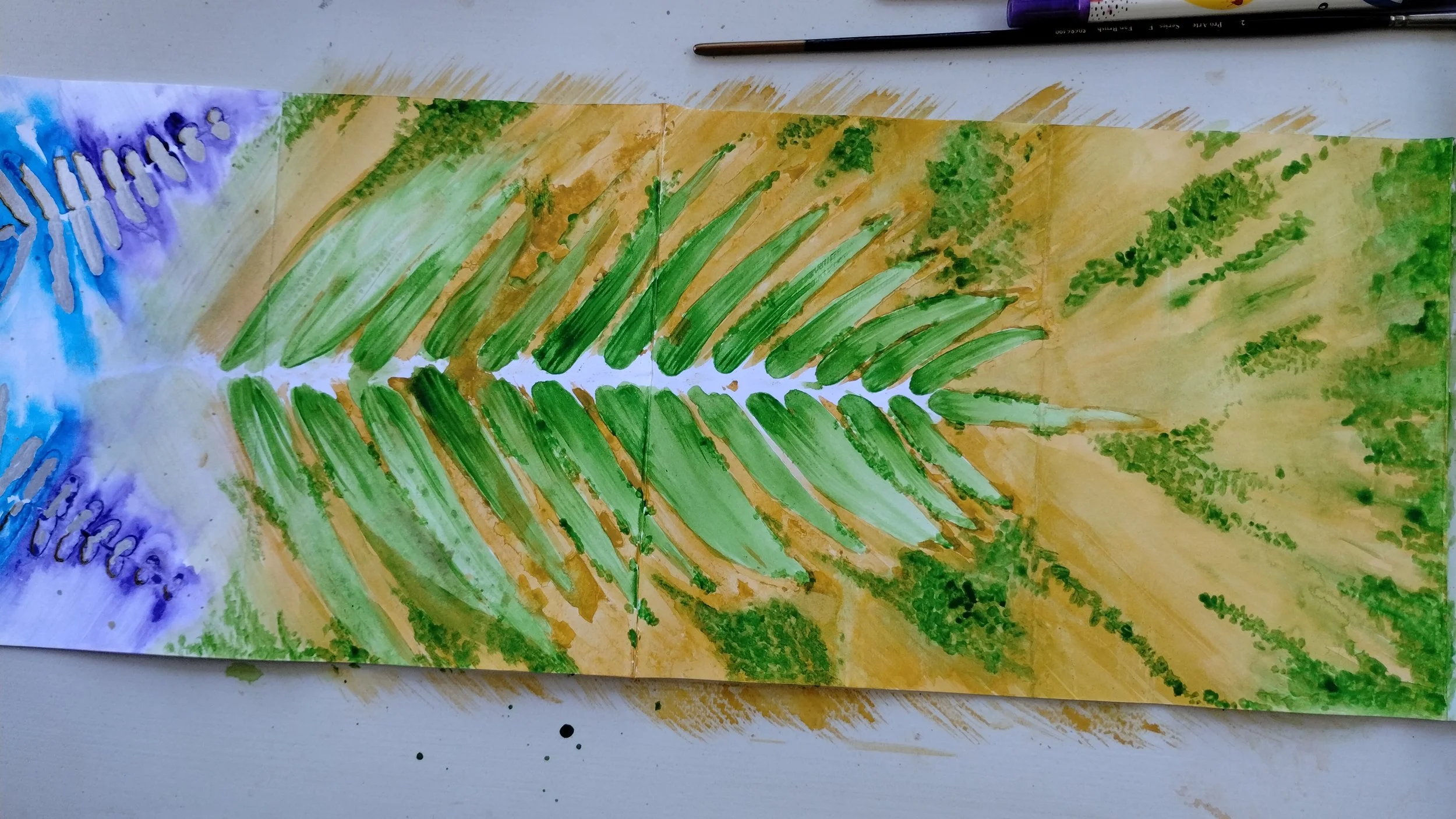
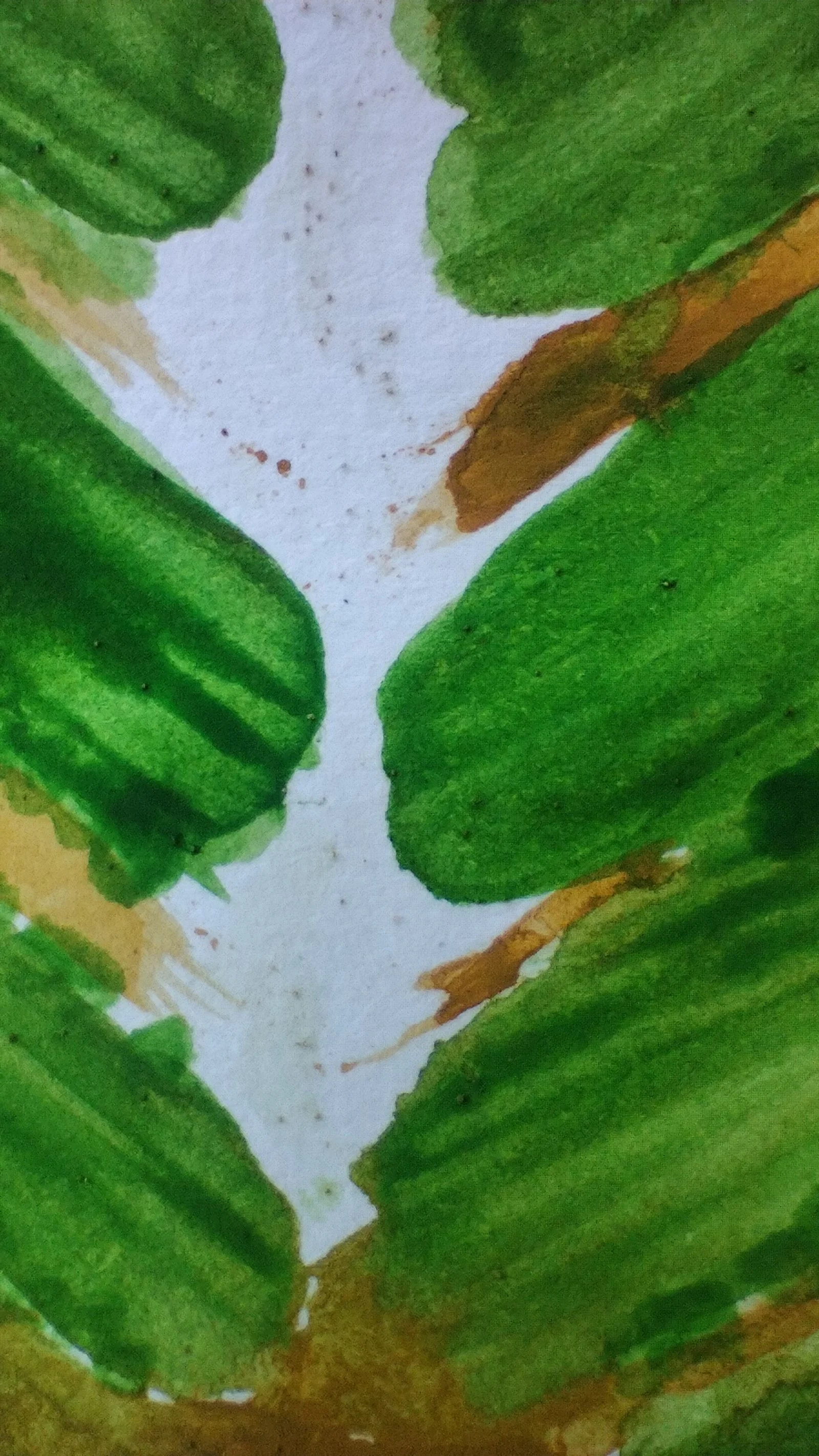
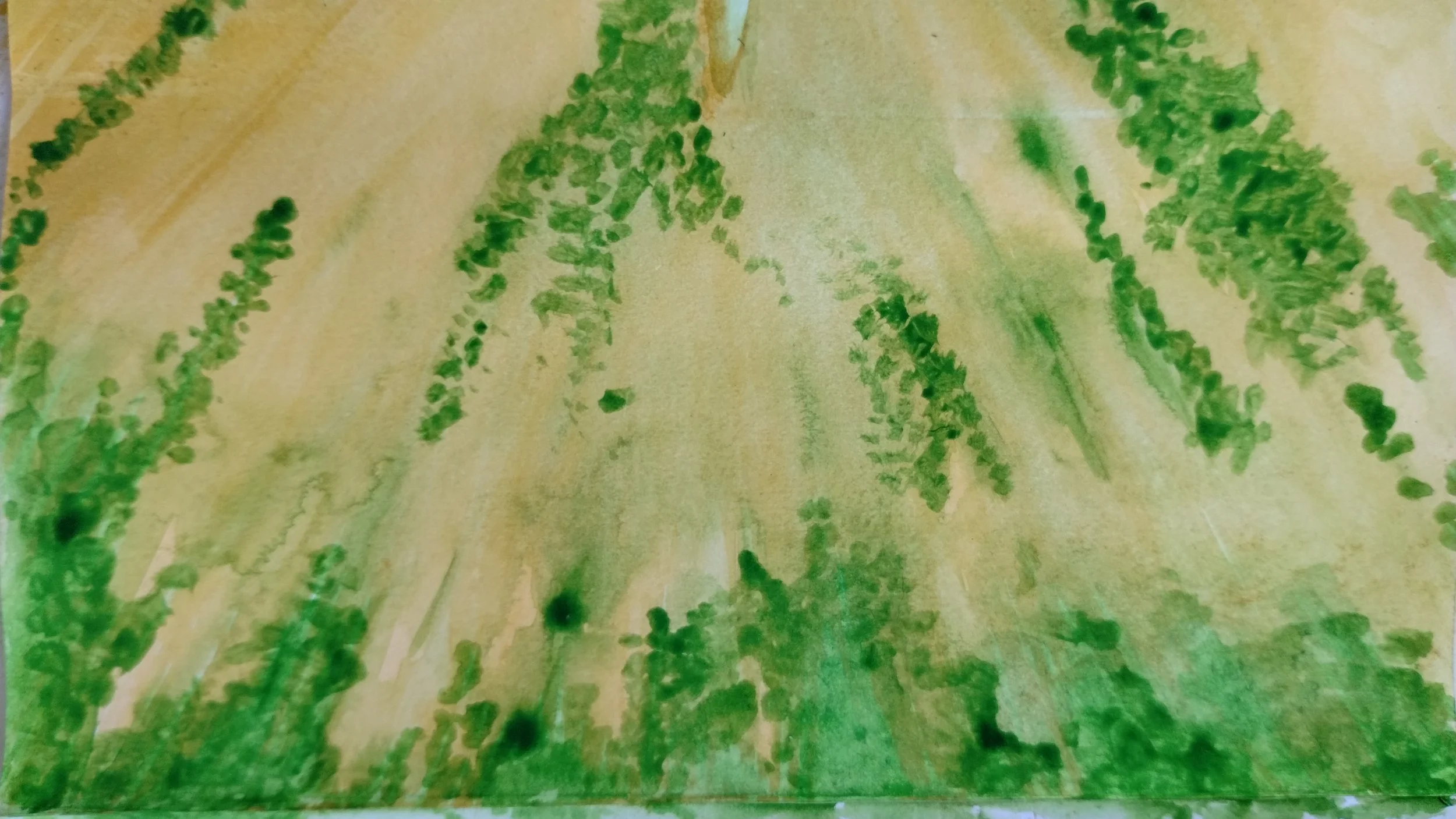
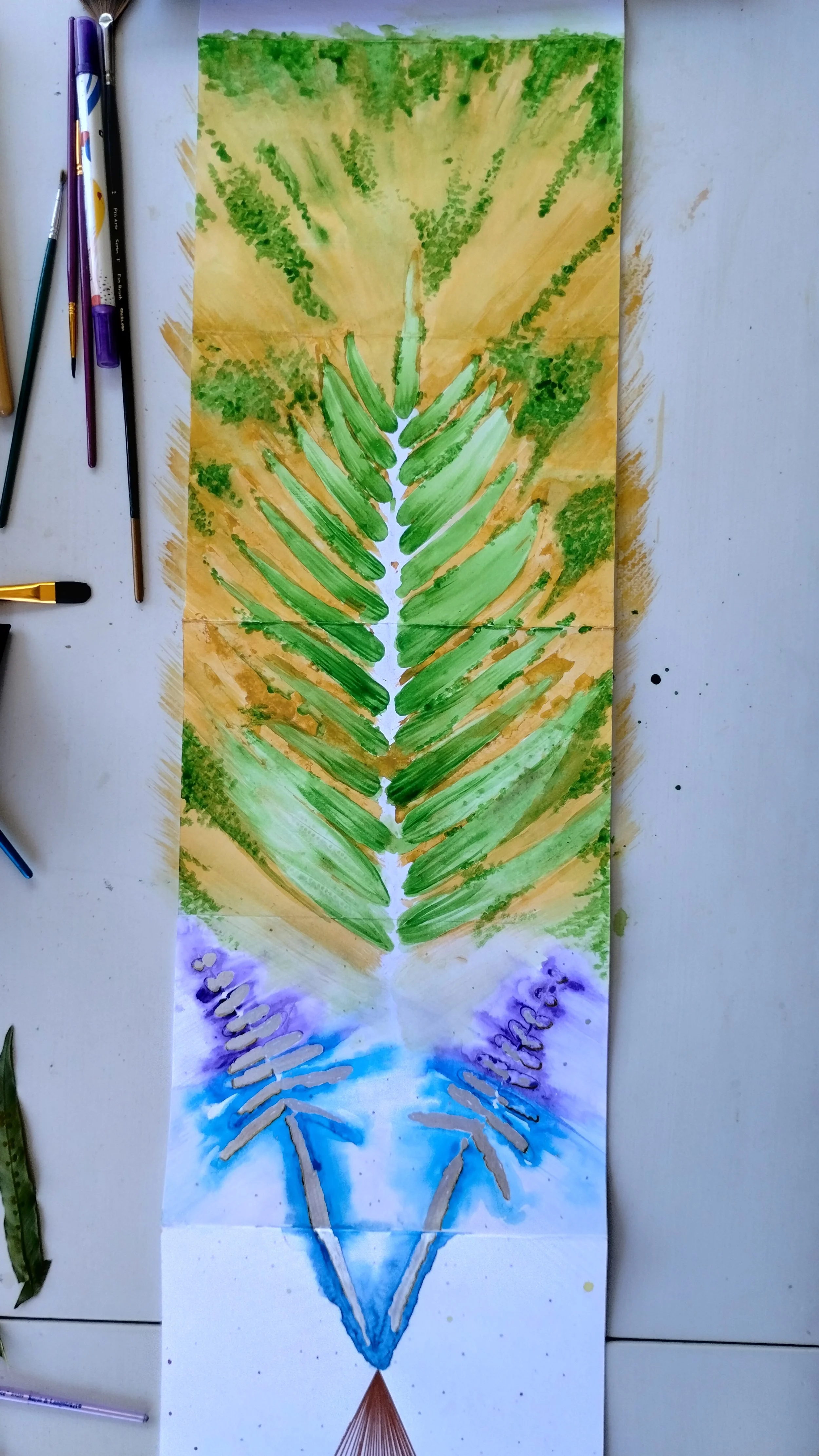
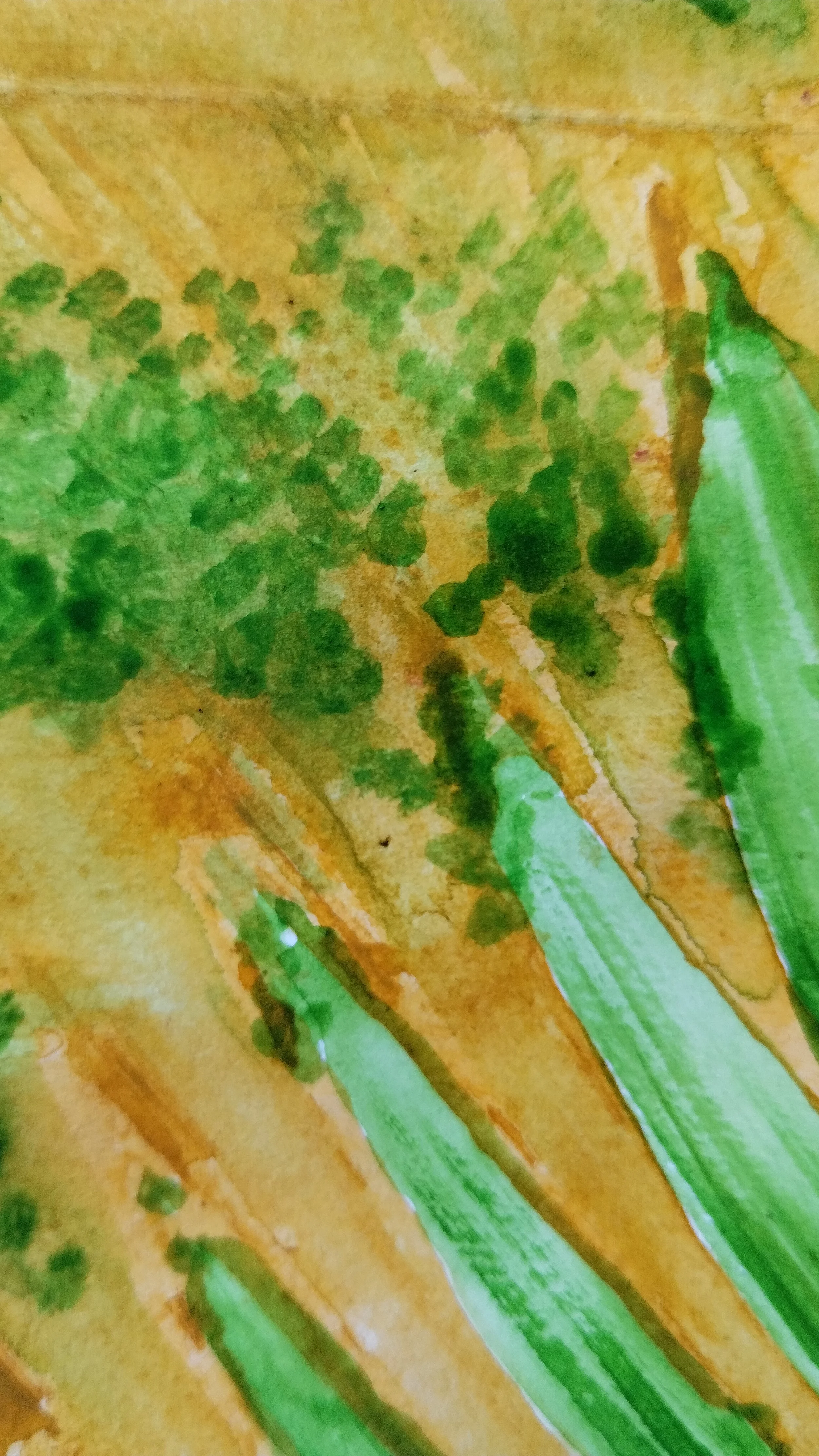
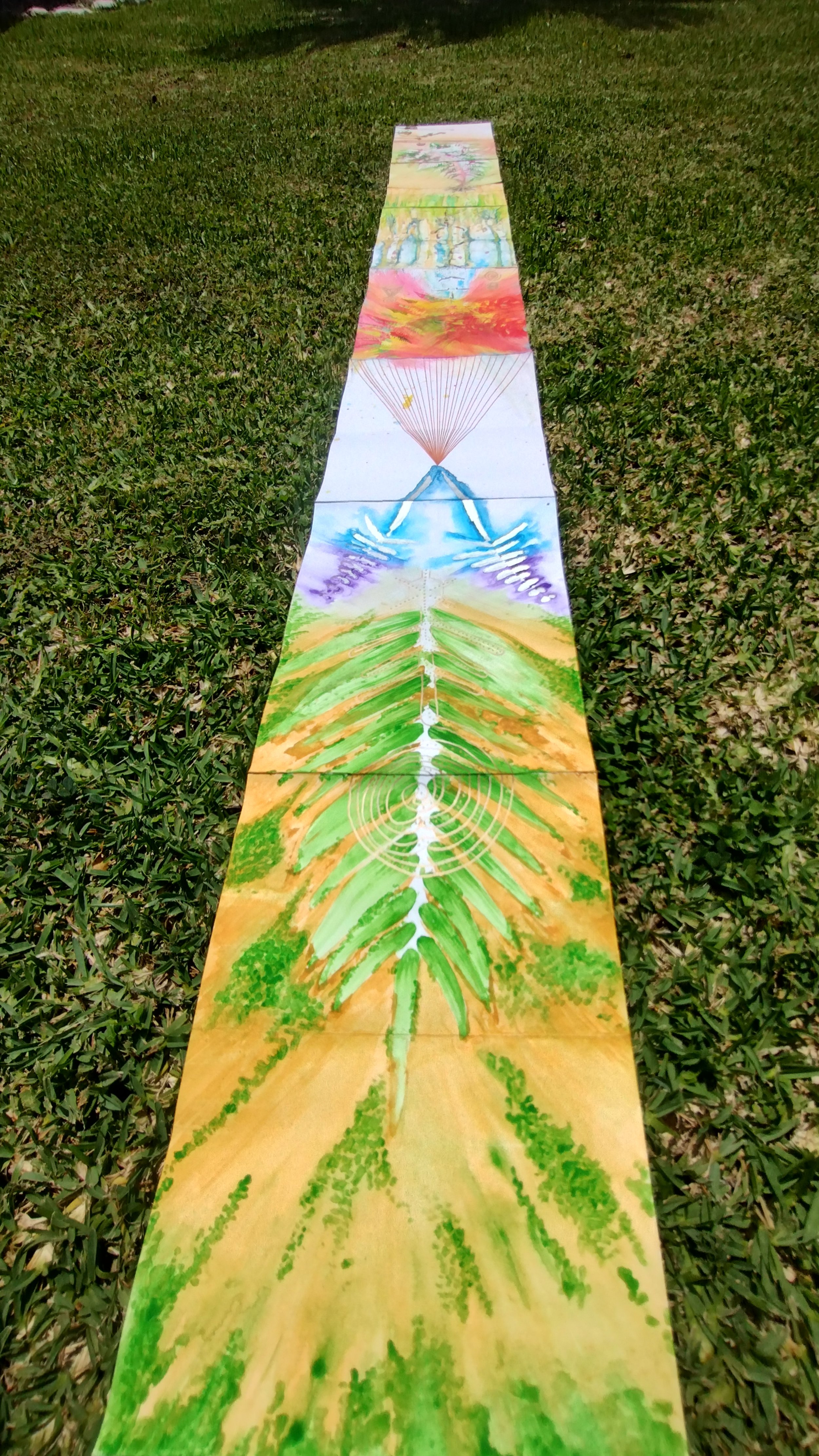
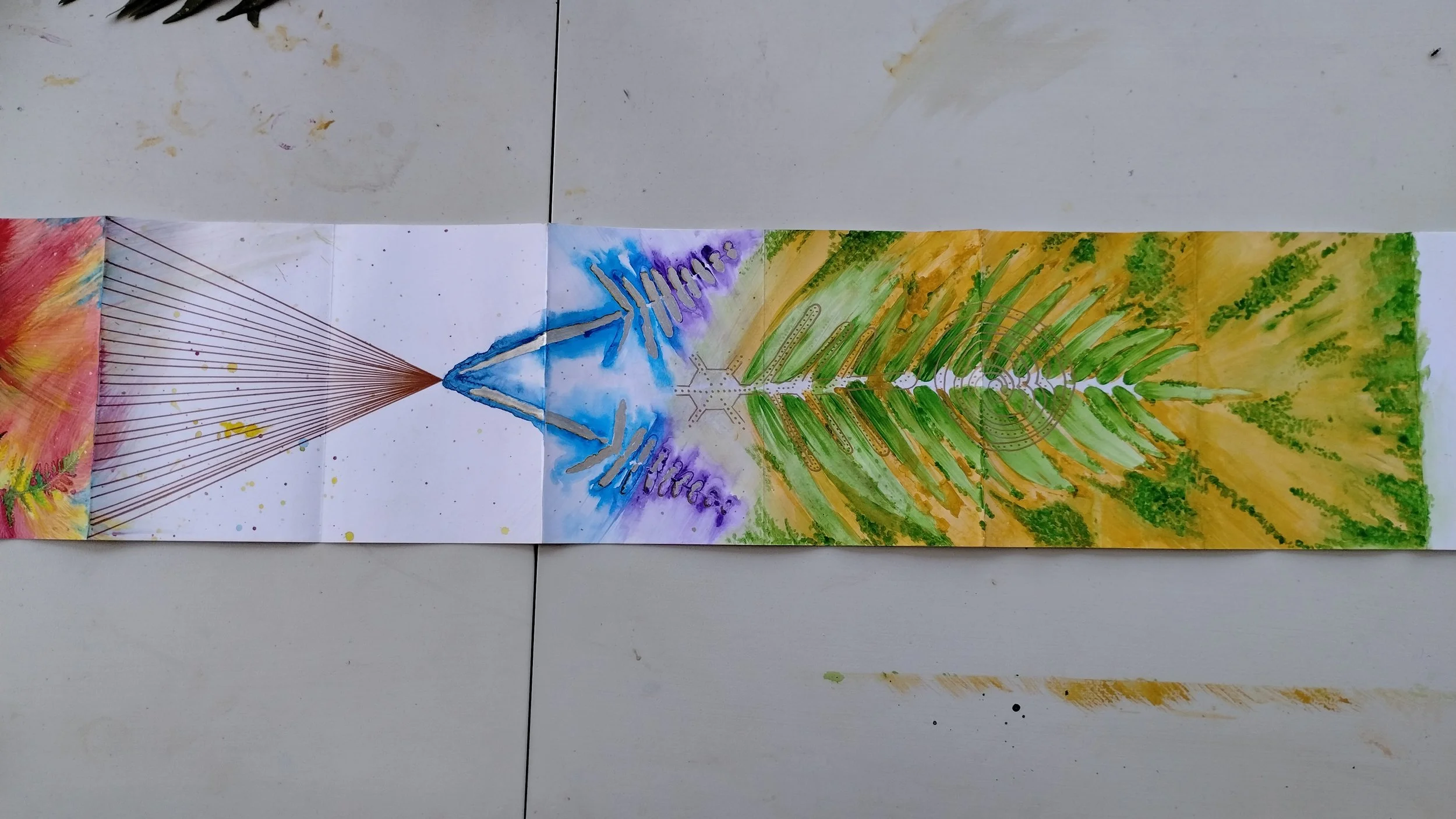
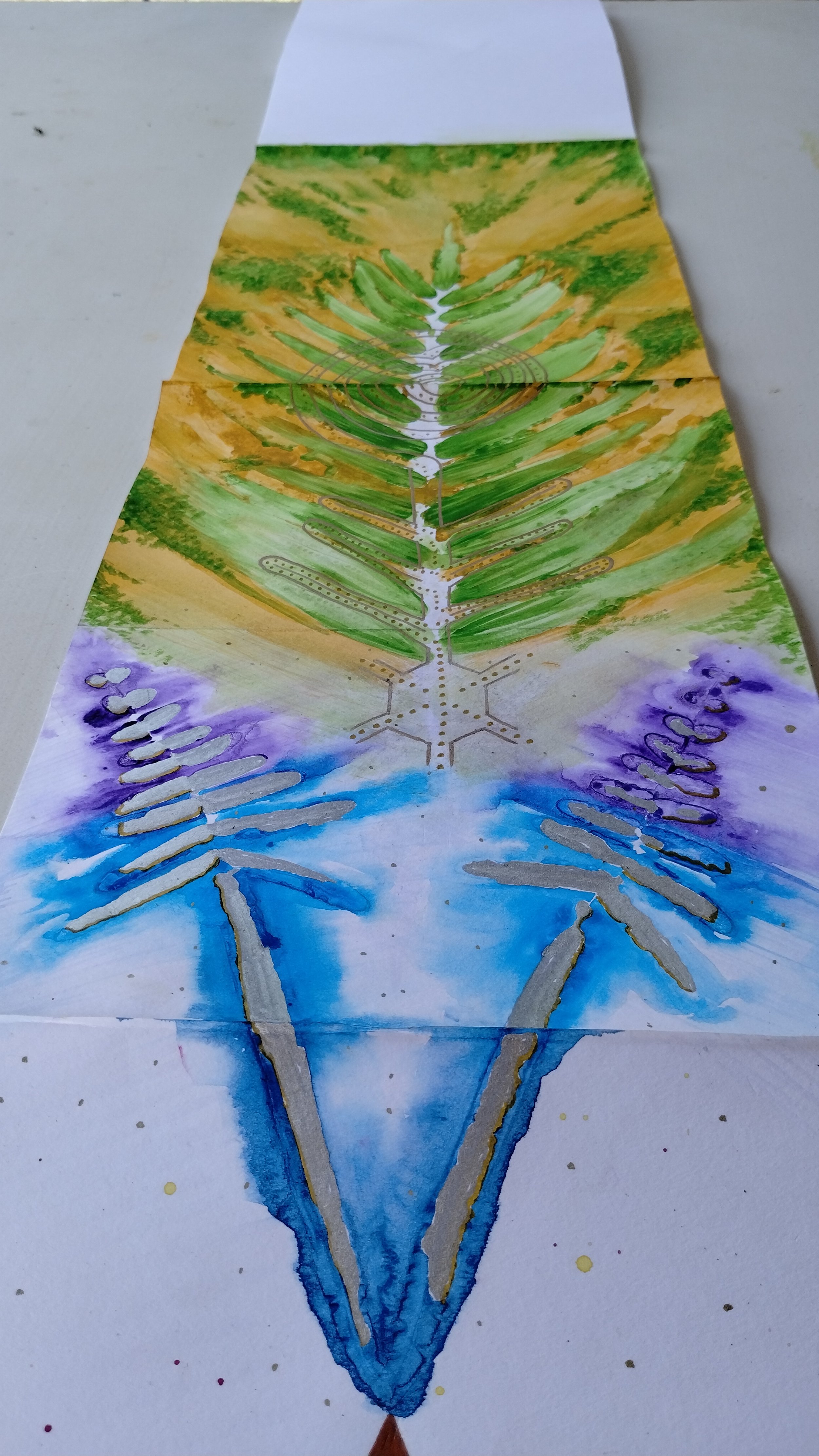
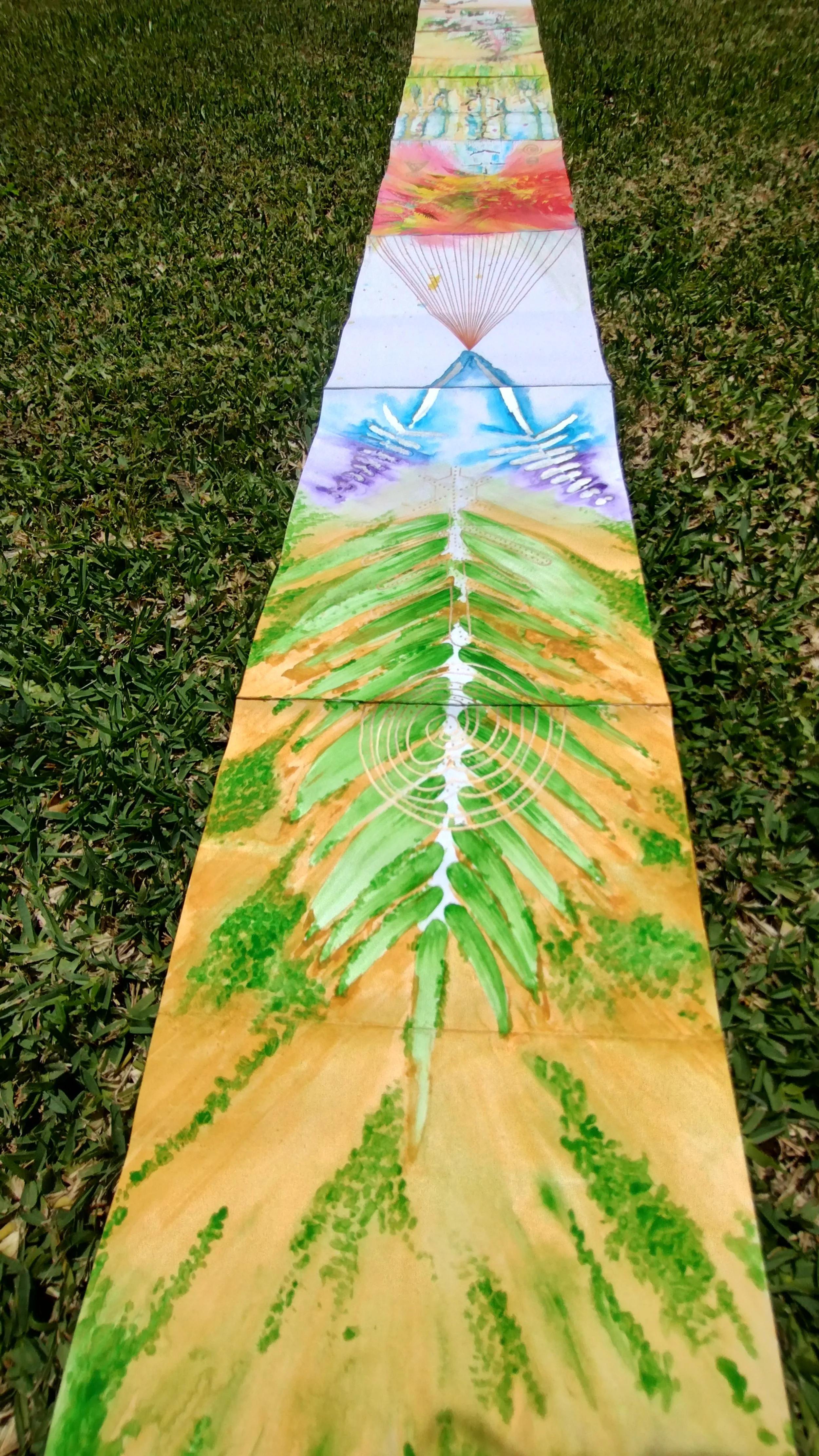
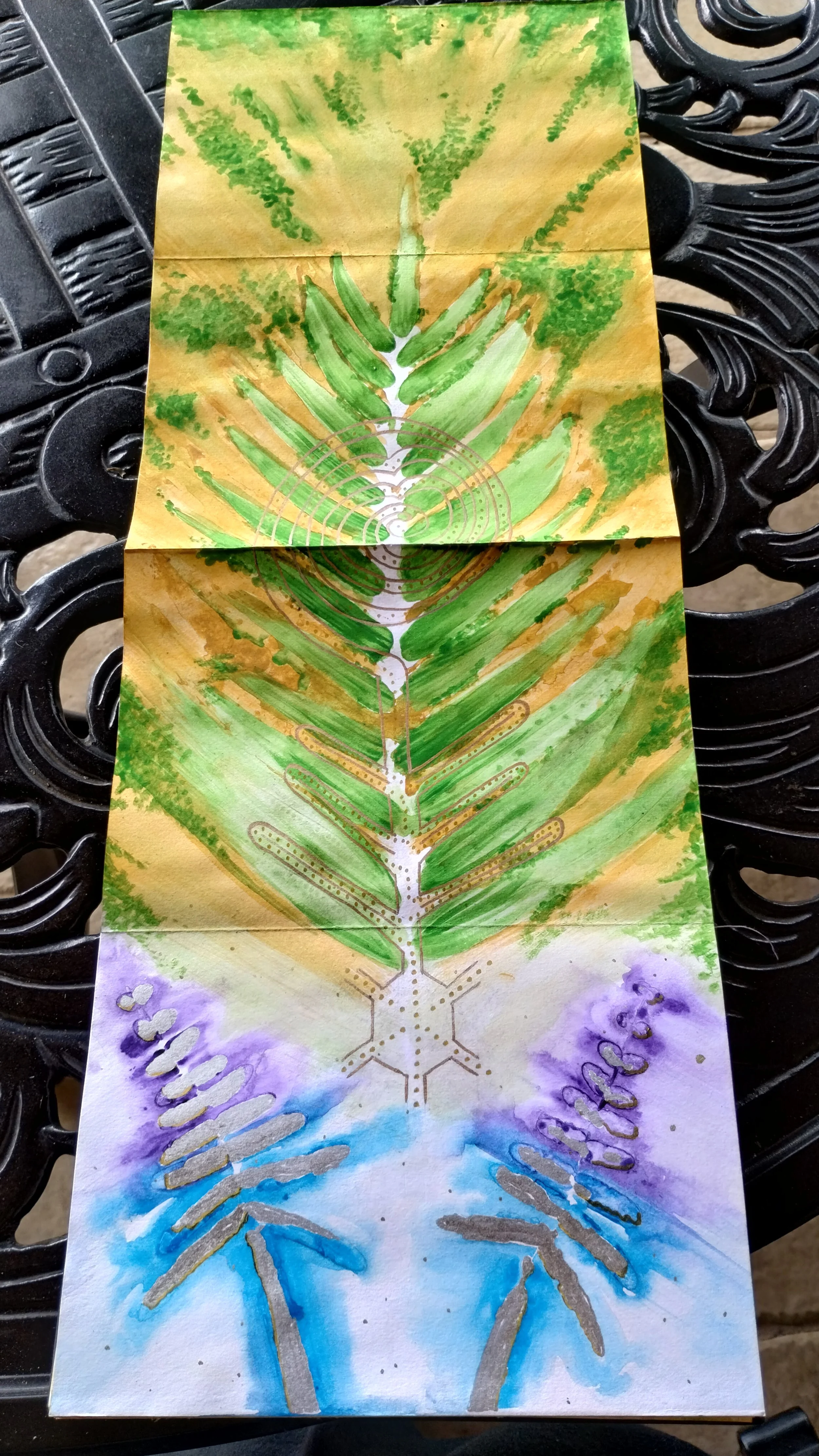
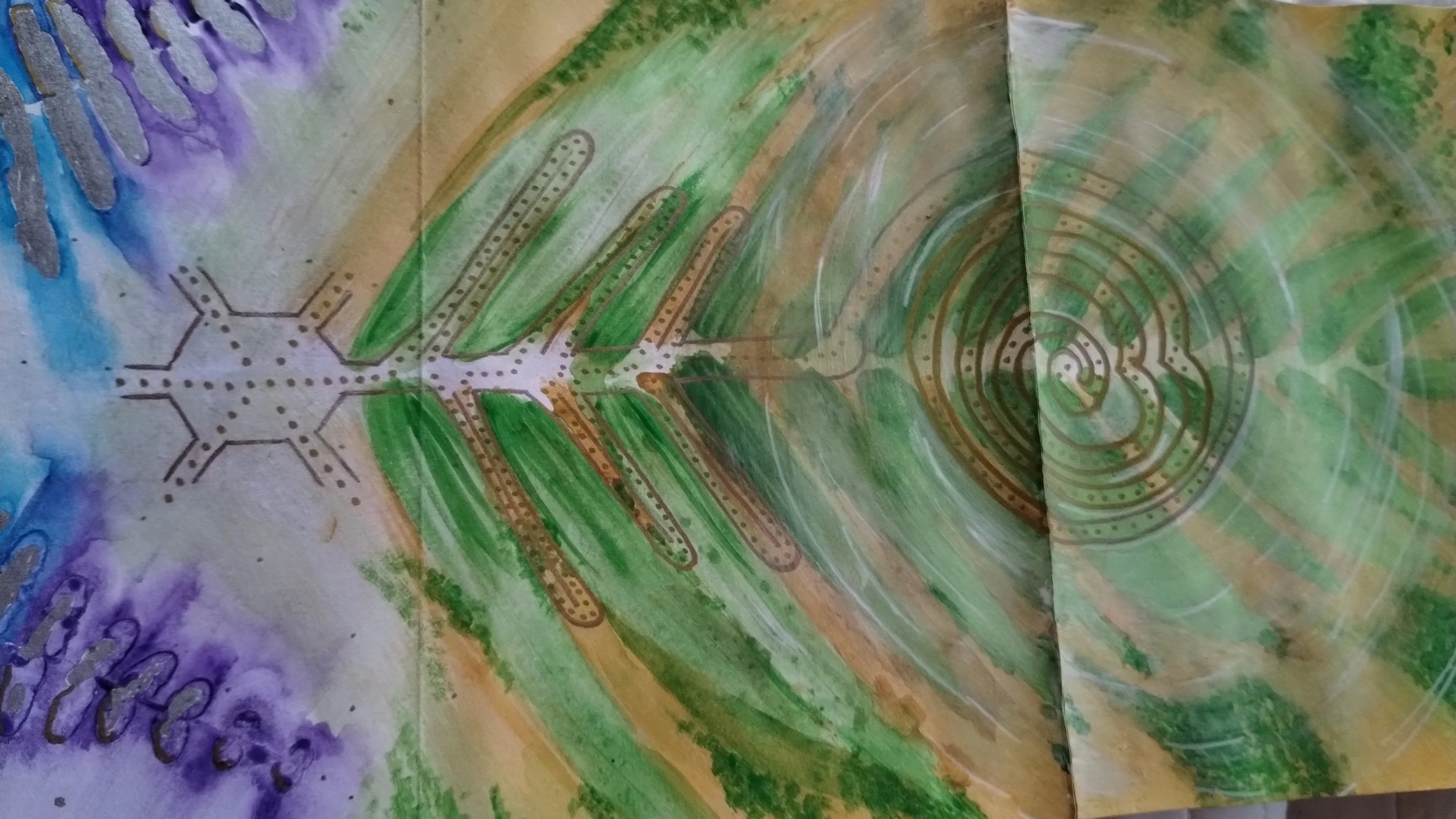
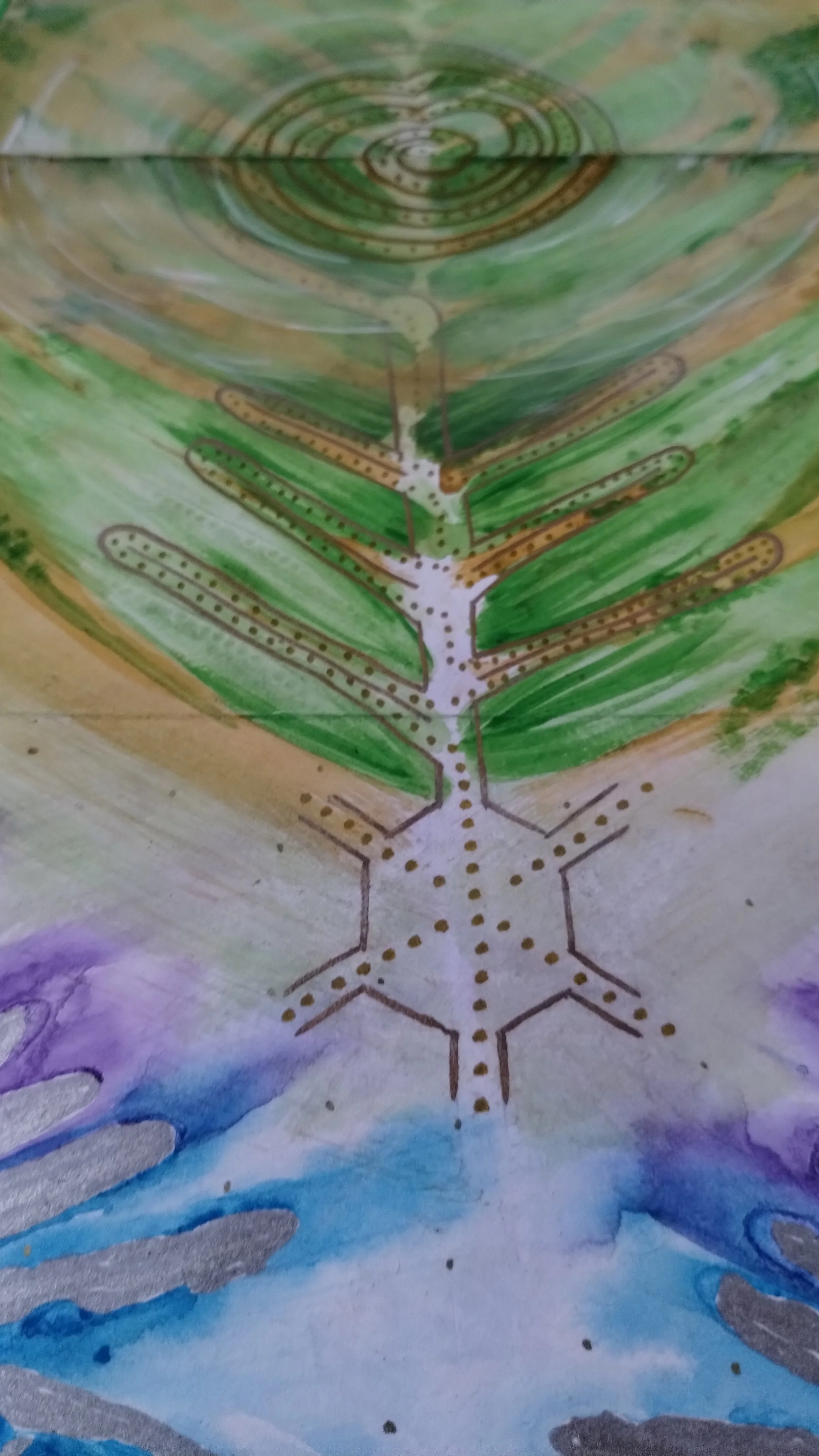
I created the fern print as usual, but something happened differently this time: I was drawn to natural colours — earthy greens and browns, like a living landscape. From the fern’s perspective (as seen in the Swiss map), it formed an aerial view — so I followed that intuition, adding marks that resembled the tops of trees and bushes.
Birds Eye View
Following on from the Panama Map — where the Harpy Eagle’s fern wings took flight — I knew that in Costa Rica the eagle was now soaring overhead. We were seeing the fern labyrinth from an aerial perspective.
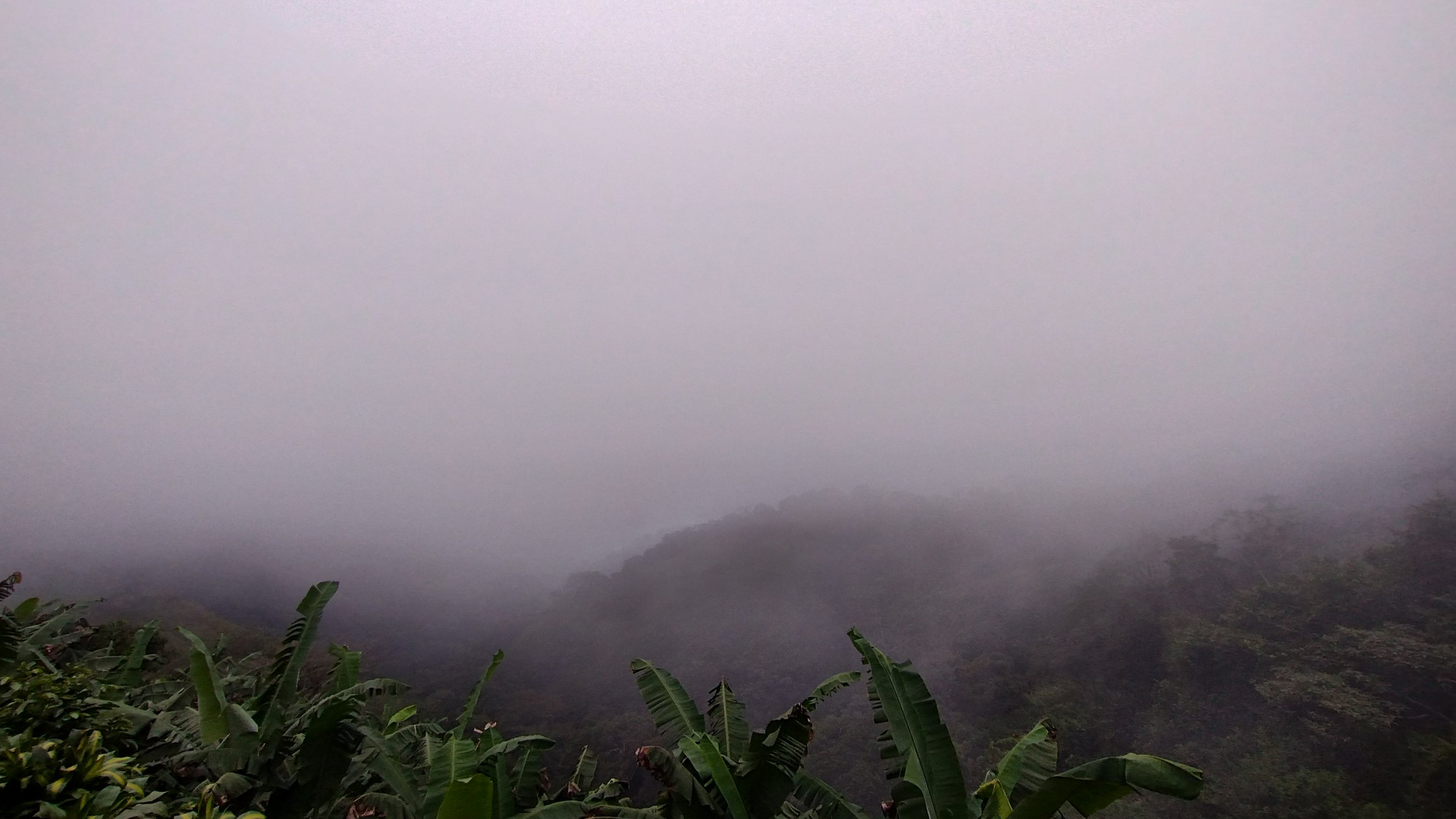
Looking at my design, it spirals toward the spore center — so the eagle was quite literally flying the labyrinth, circling toward its spore center. Eagles soar using thermal uplifts, which also create clouds and thunderstorms (something we experienced a lot here in Costa Rica). You’ll see hazy white marks on the map to represent this dynamic movement.
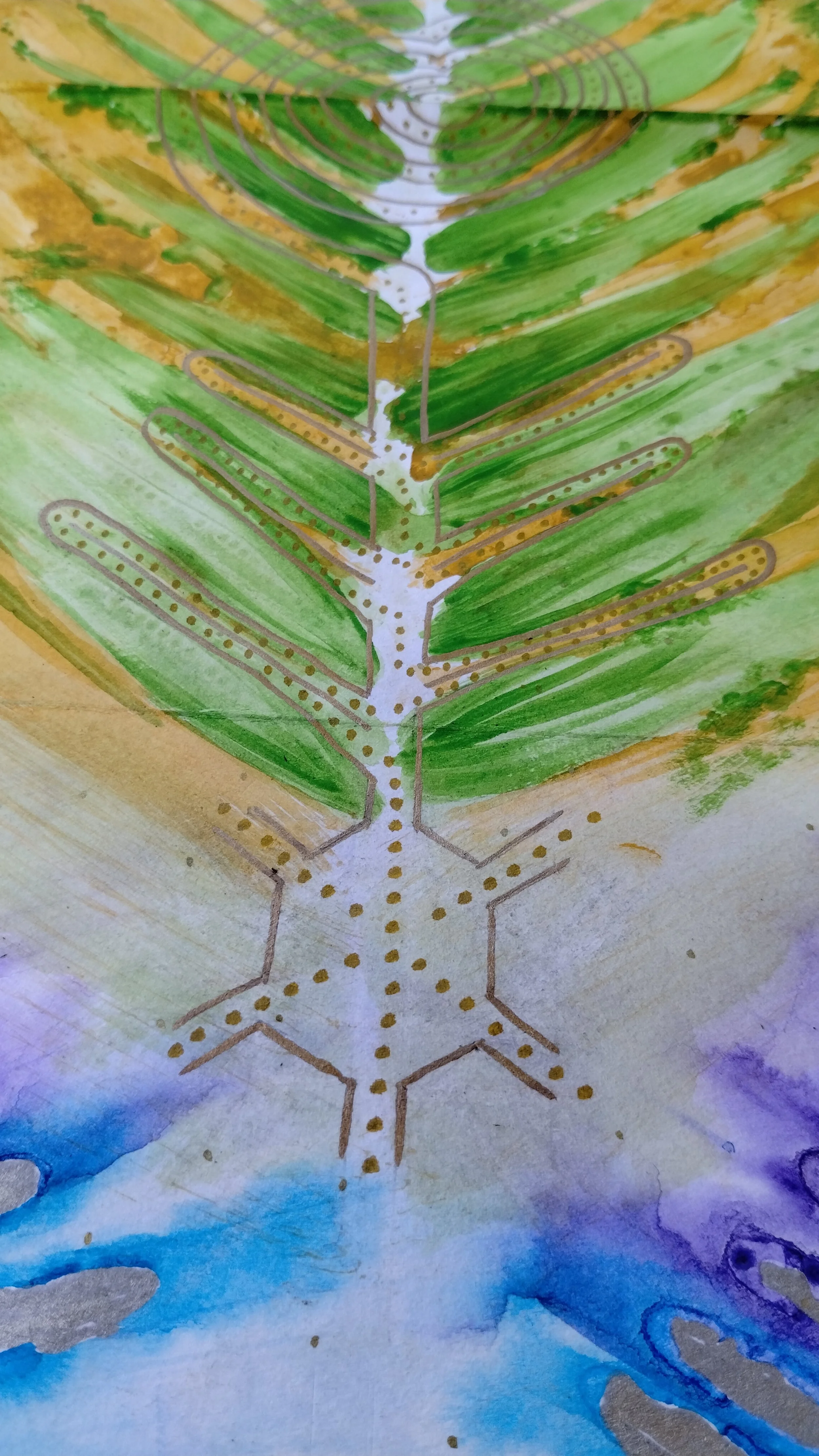
My fern labyrinth
The labyrinth follows the fern’s growth process.
The entry and exit points are based on the Benzene Ring (as in the Colombia map) — a hexagon, with openings at each point. The path moves up and down the fronds, looping back until reaching a circling form that leads into a heart-shaped path (the gametophyte stage) and, finally, the spore center.
On the return journey, you retrace your steps — but can choose a different exit point.
After much reflection, I realized that the spore center represents embodiment.
Mind the Gap
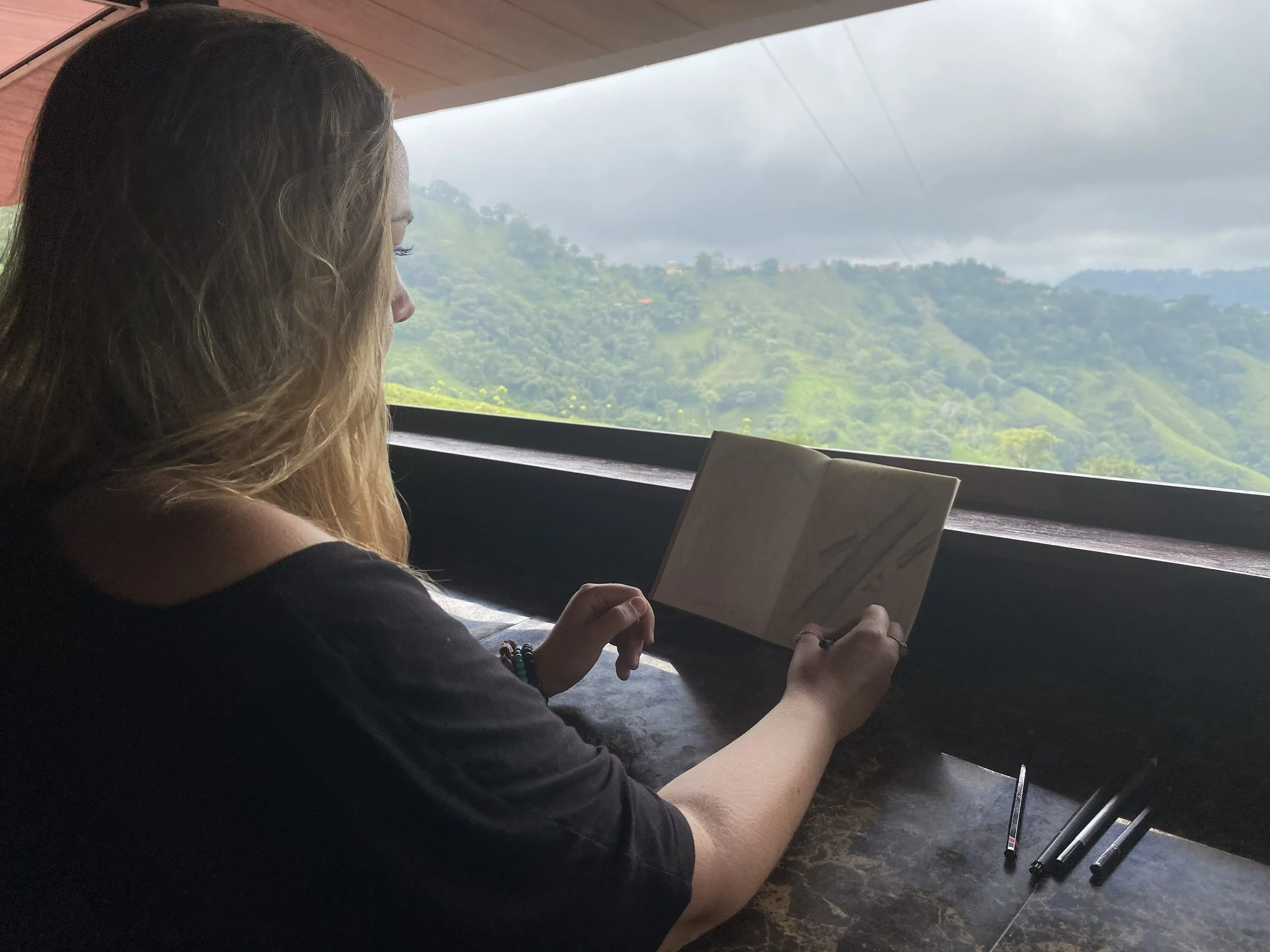
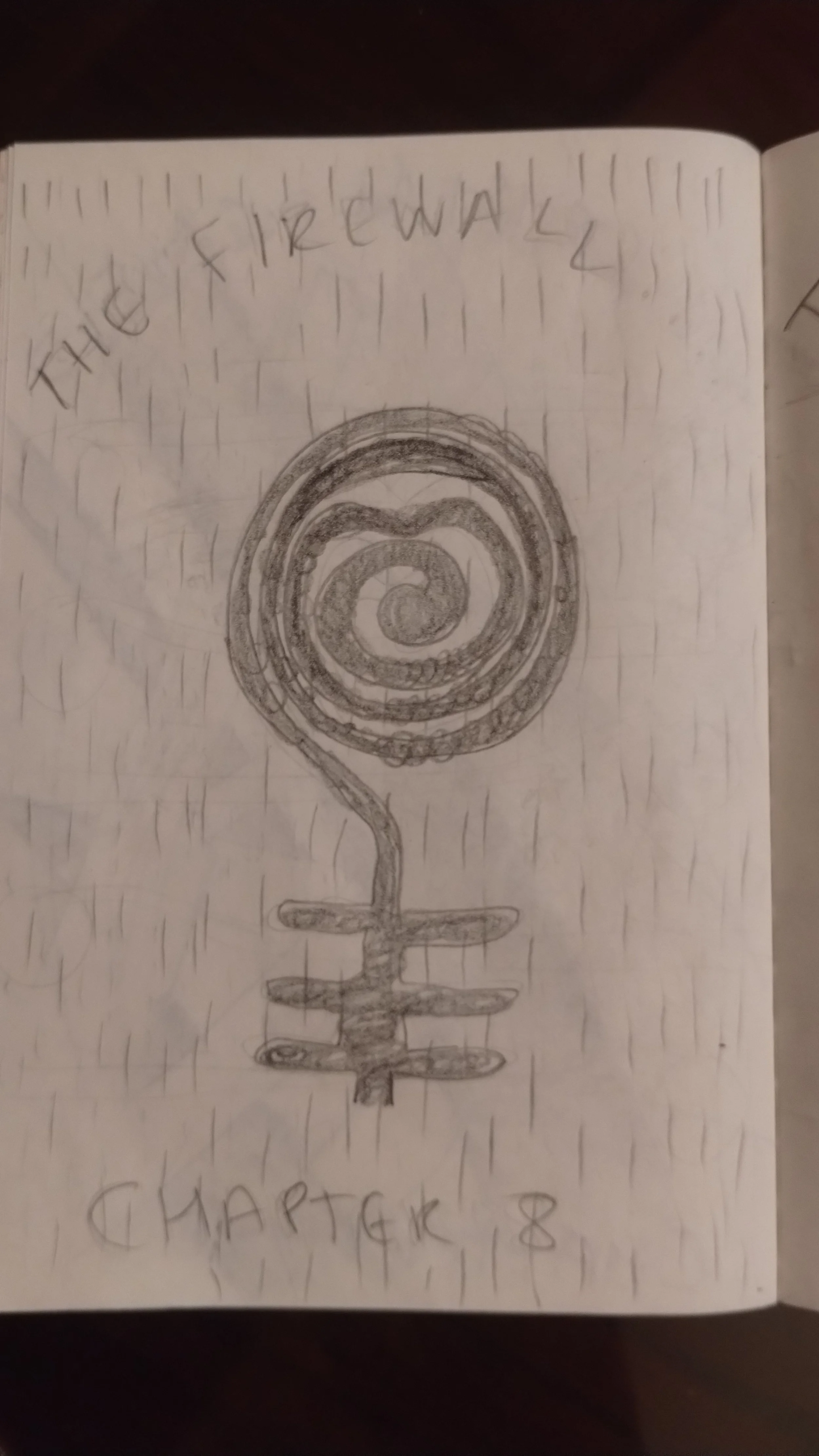
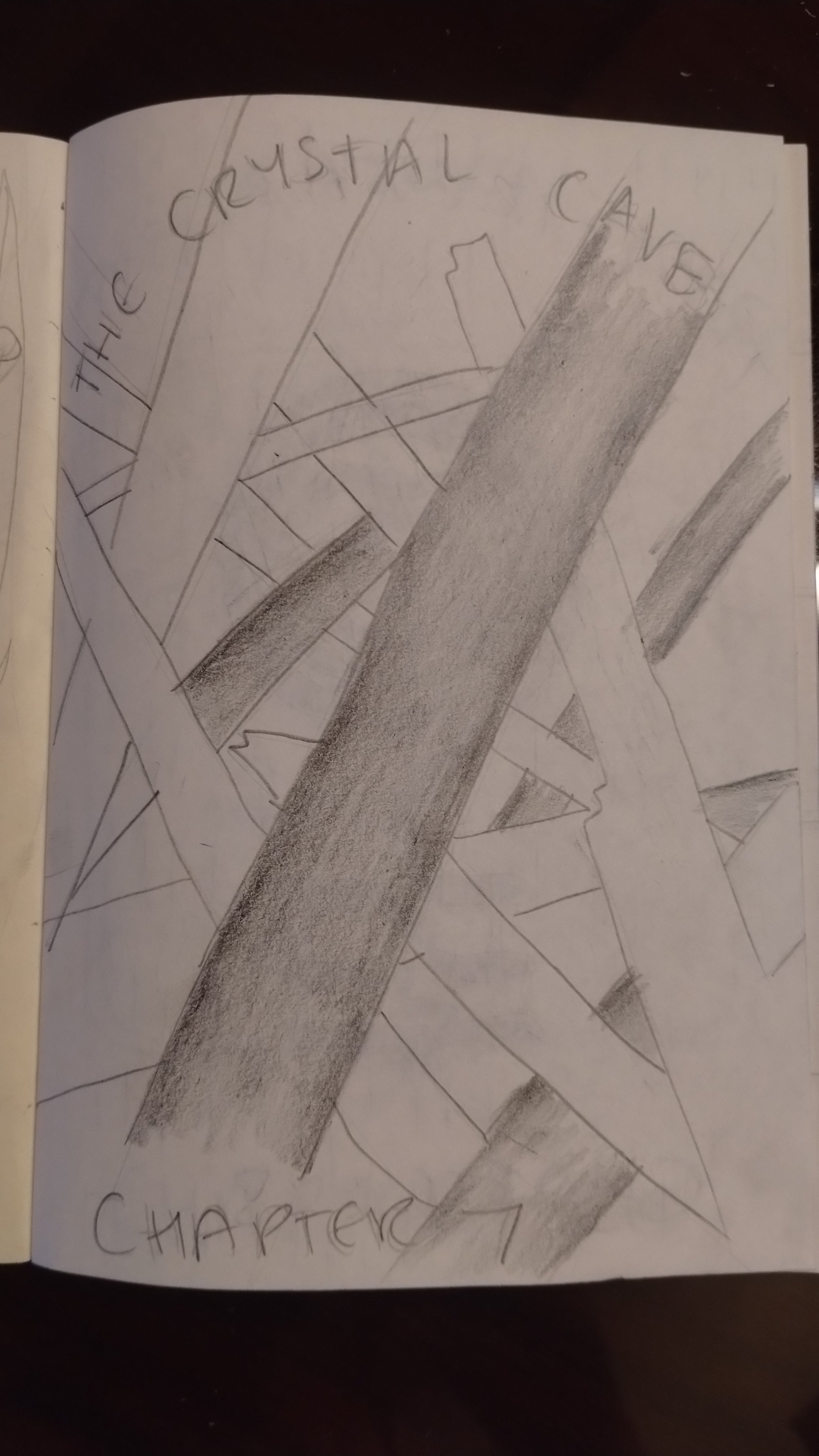
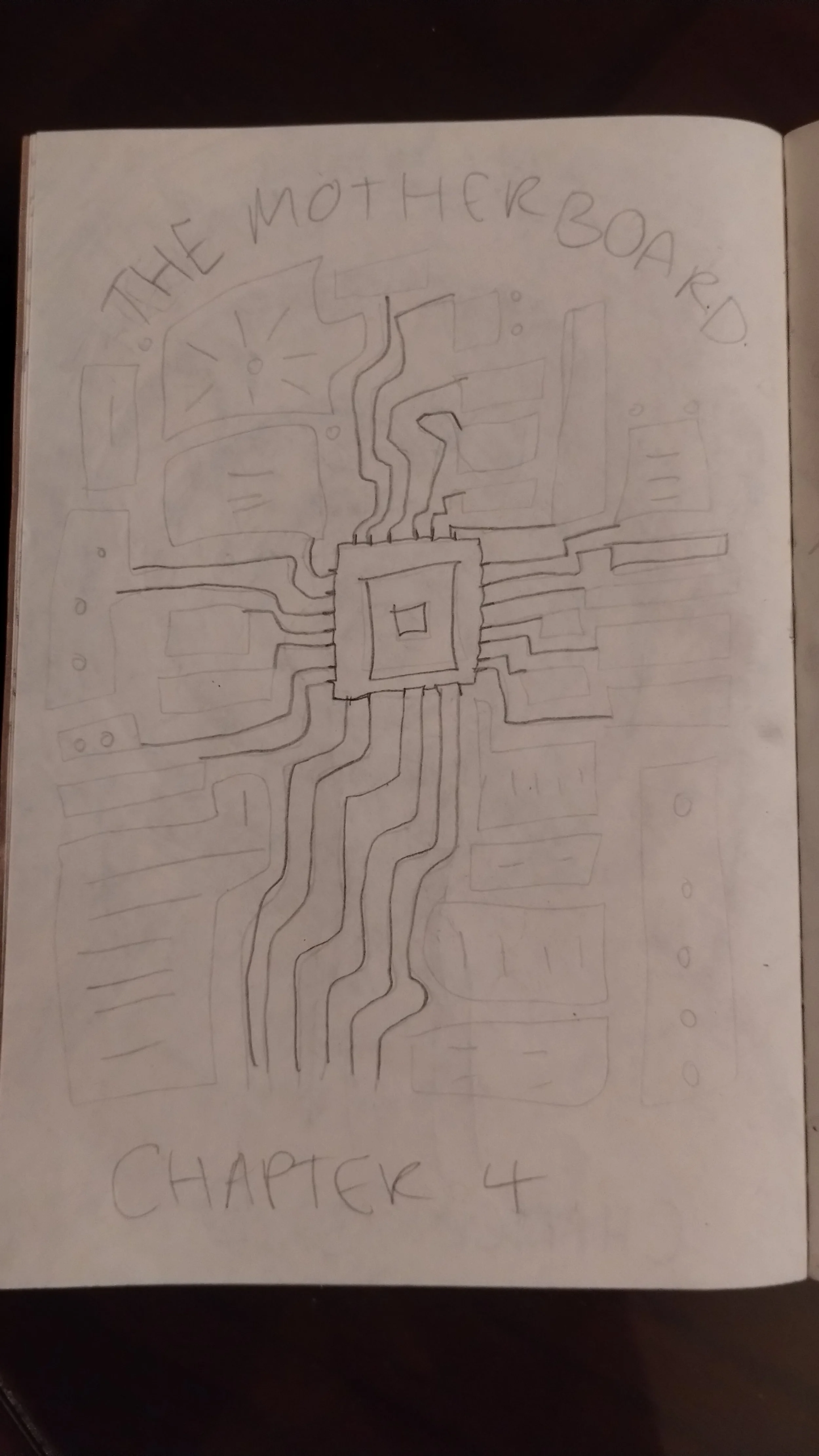
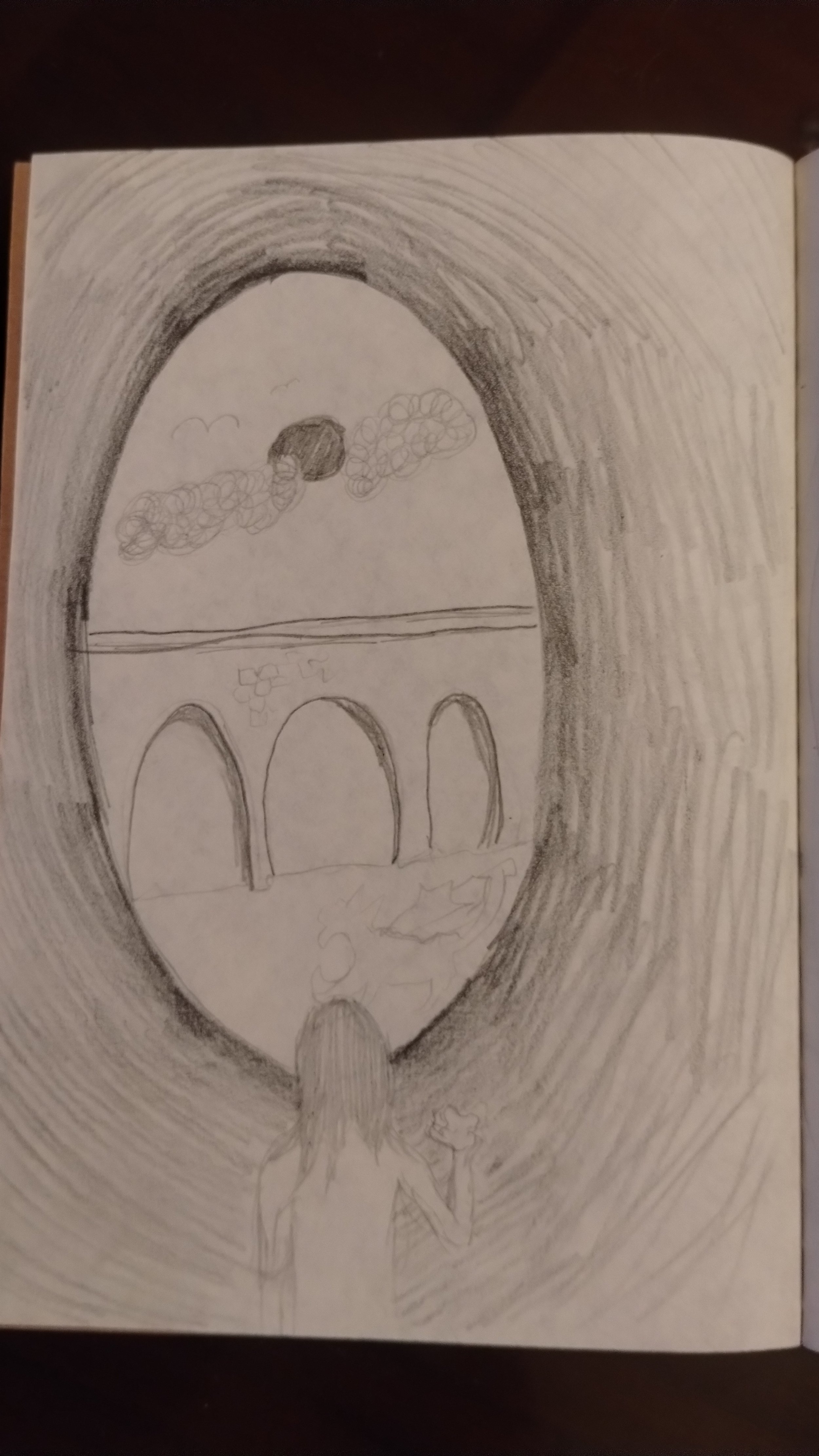
Mind the Gap is a children’s–young teen novel I wrote many moons ago. Editing it has often felt like wading through treacle. Last year, I sent it to an editor to decide whether to continue or set it down forever. The feedback was so encouraging that I had to continue — but how?
I’m not a trained writer and had never edited a book before, so I used this residency in Costa Rica to finally do just that. By divine timing, the other residents were a experienced writer and an actor (working on their first play) — so we naturally supported one another.
I’ve now finished the bulk of the editing and completed the first draft of the illustrations (75 in total). Creating the labyrinth, the map, and the support system around me allowed me to connect with the writing process in a way I hadn’t before. I’ve even started thinking about ideas for a sequel!
I’ll be posting more about Mind the Gap and its progress on my website soon.
In Conclusion
The power of friendship, labyrinths, and nature has guided me to a place of greater clarity and embodiment. I feel ready for my next and final residency.
Keep an eye on my Instagram — @routesbyalliejoy — to find out where the journey leads next. 🌿
