

Map #6 Panama City
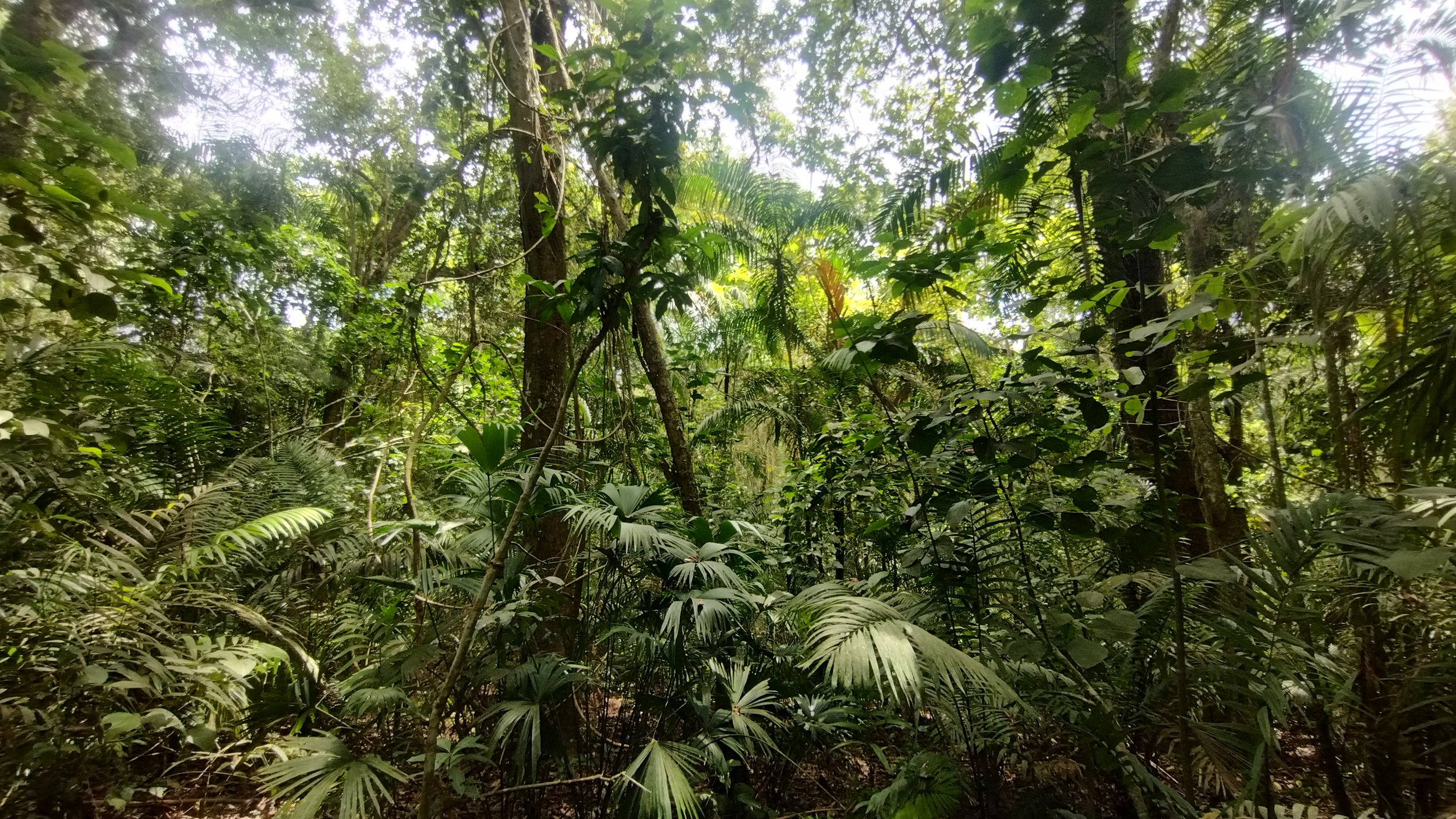
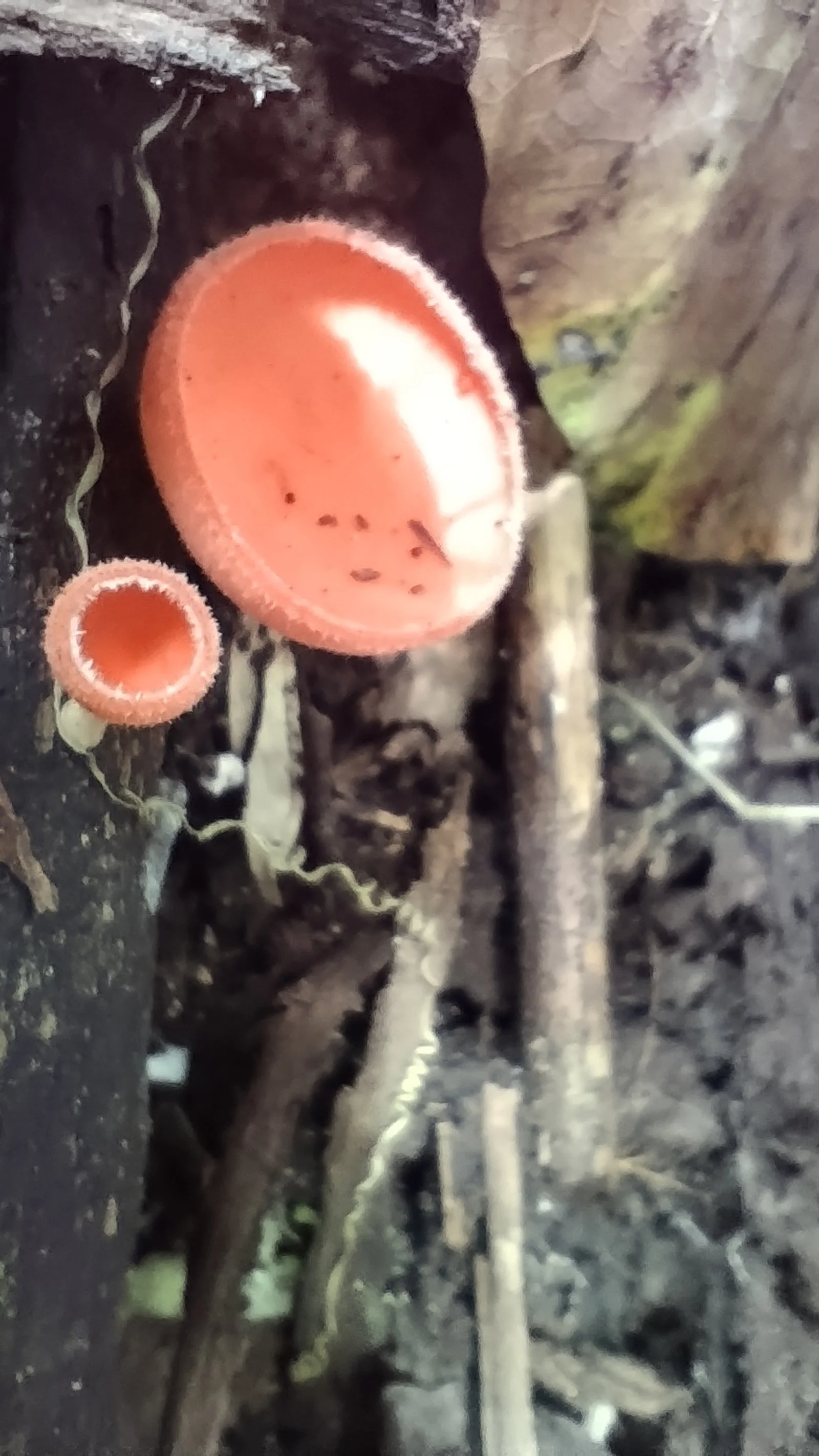
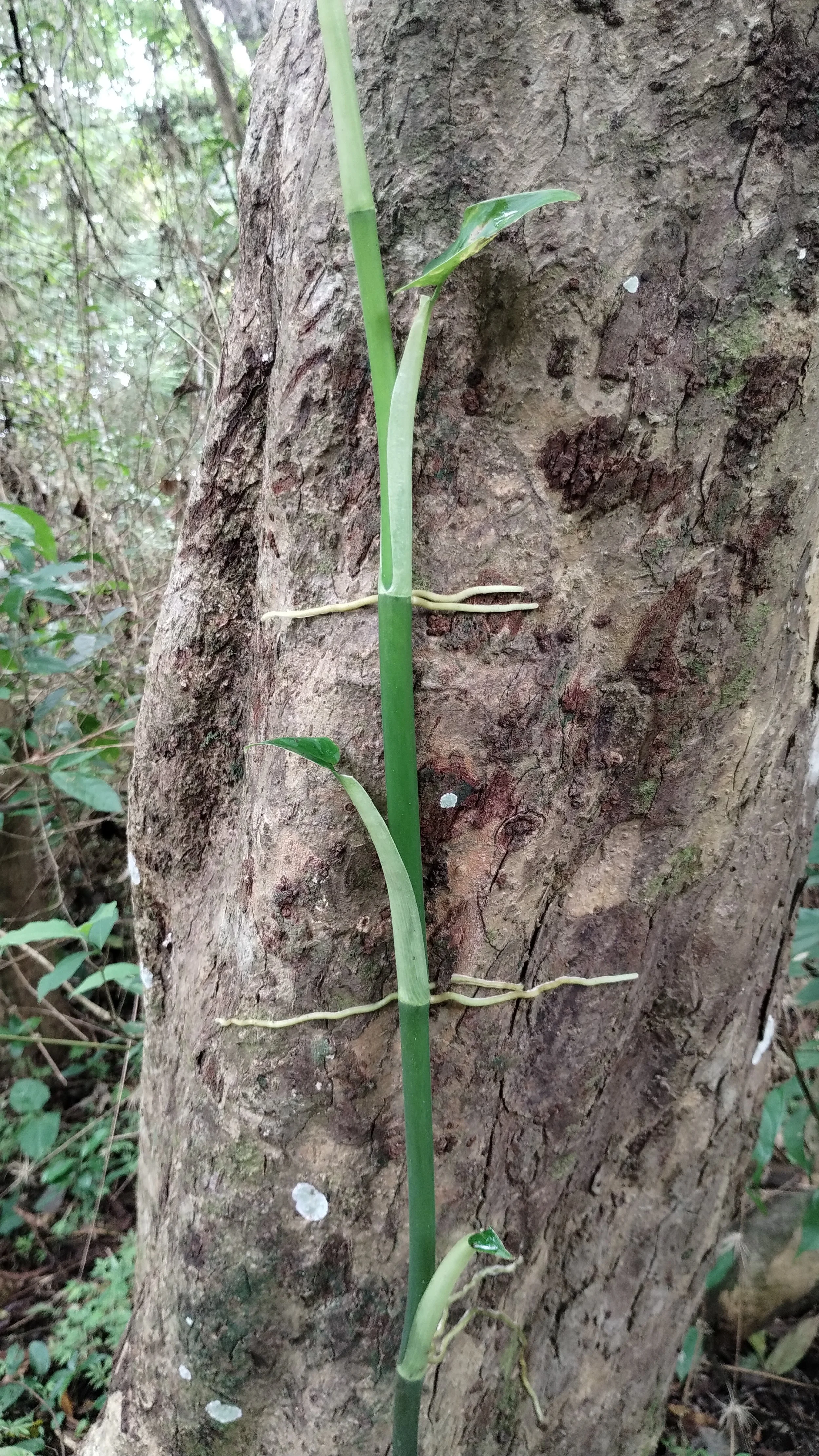
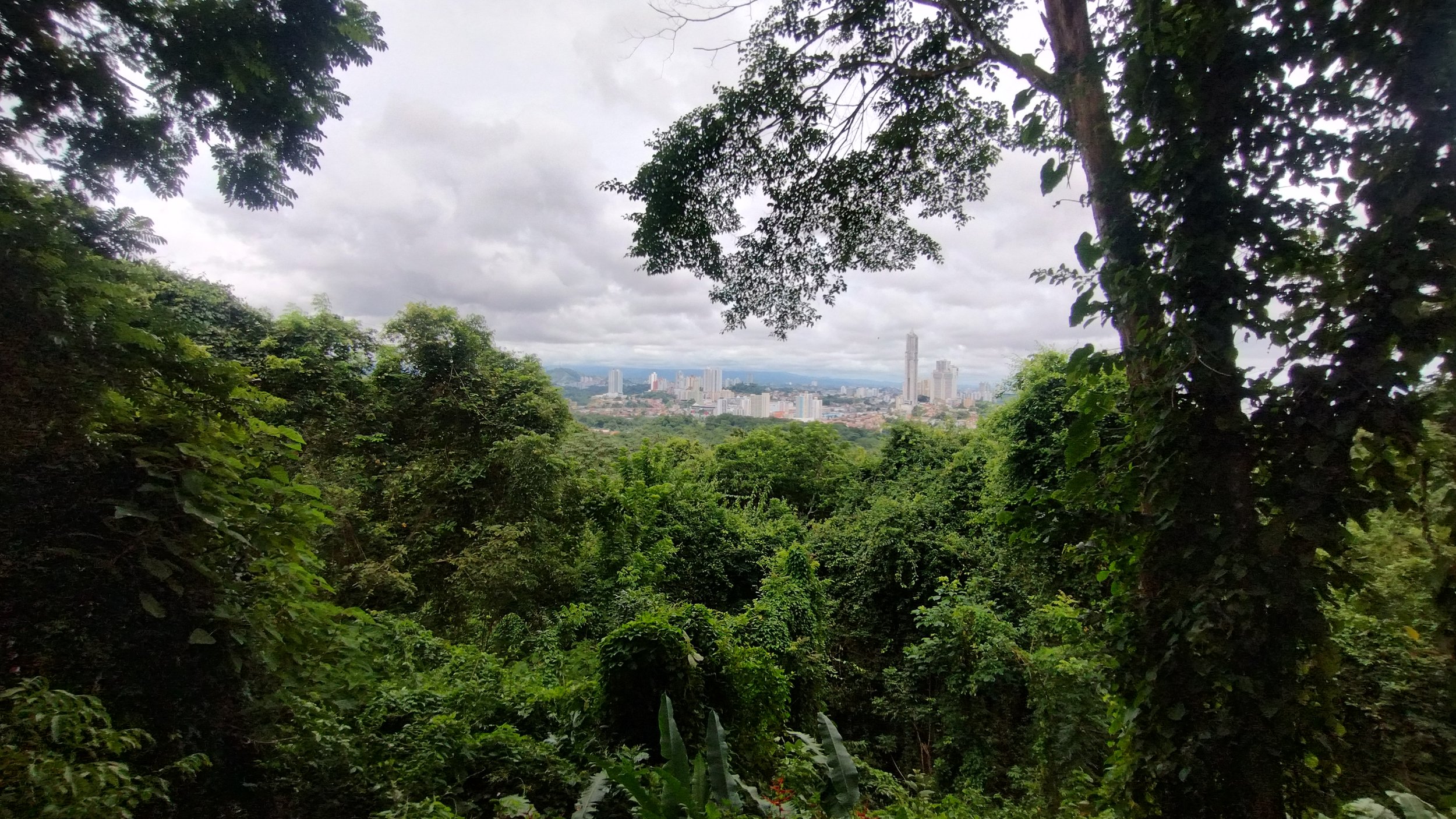
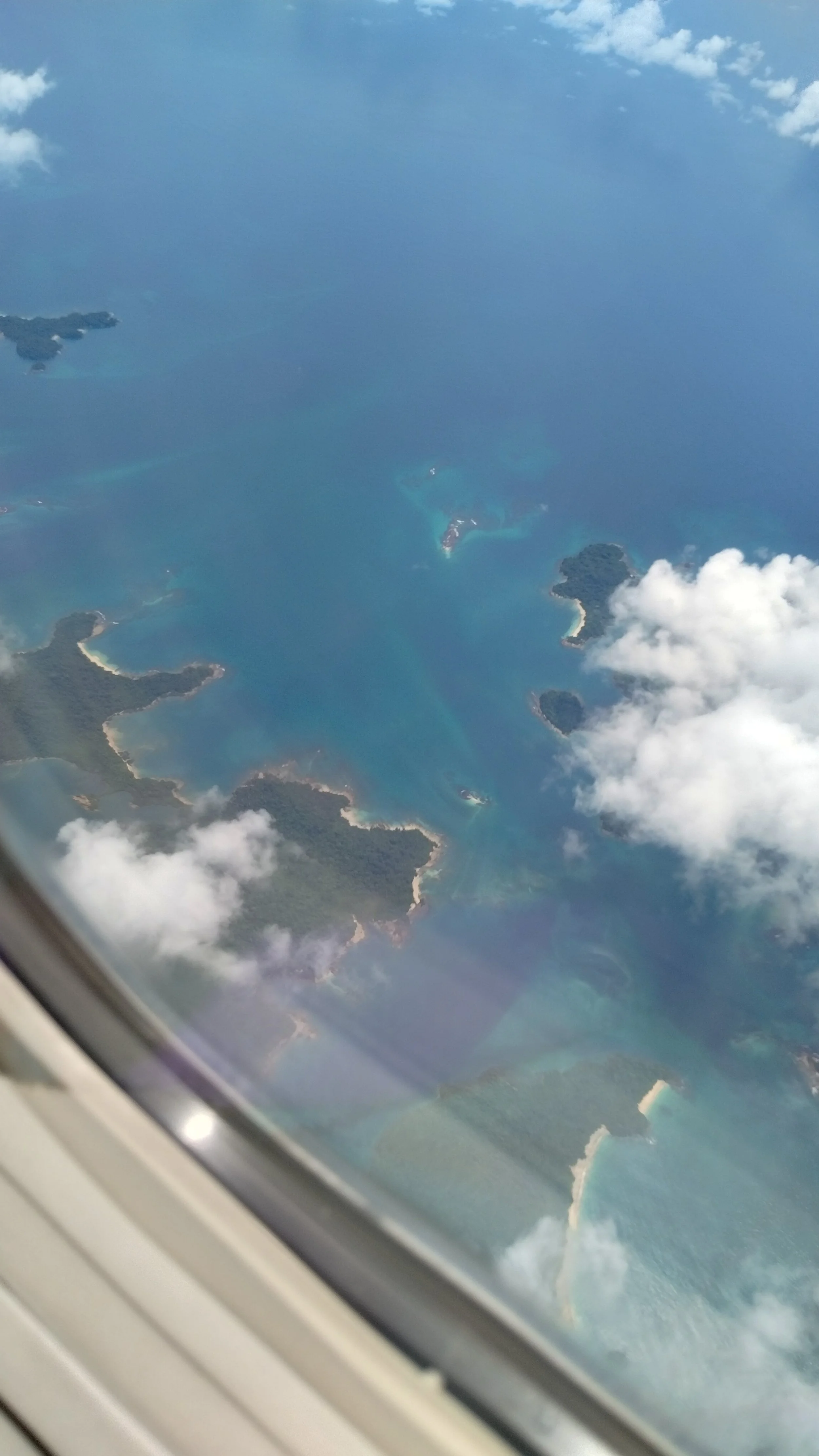
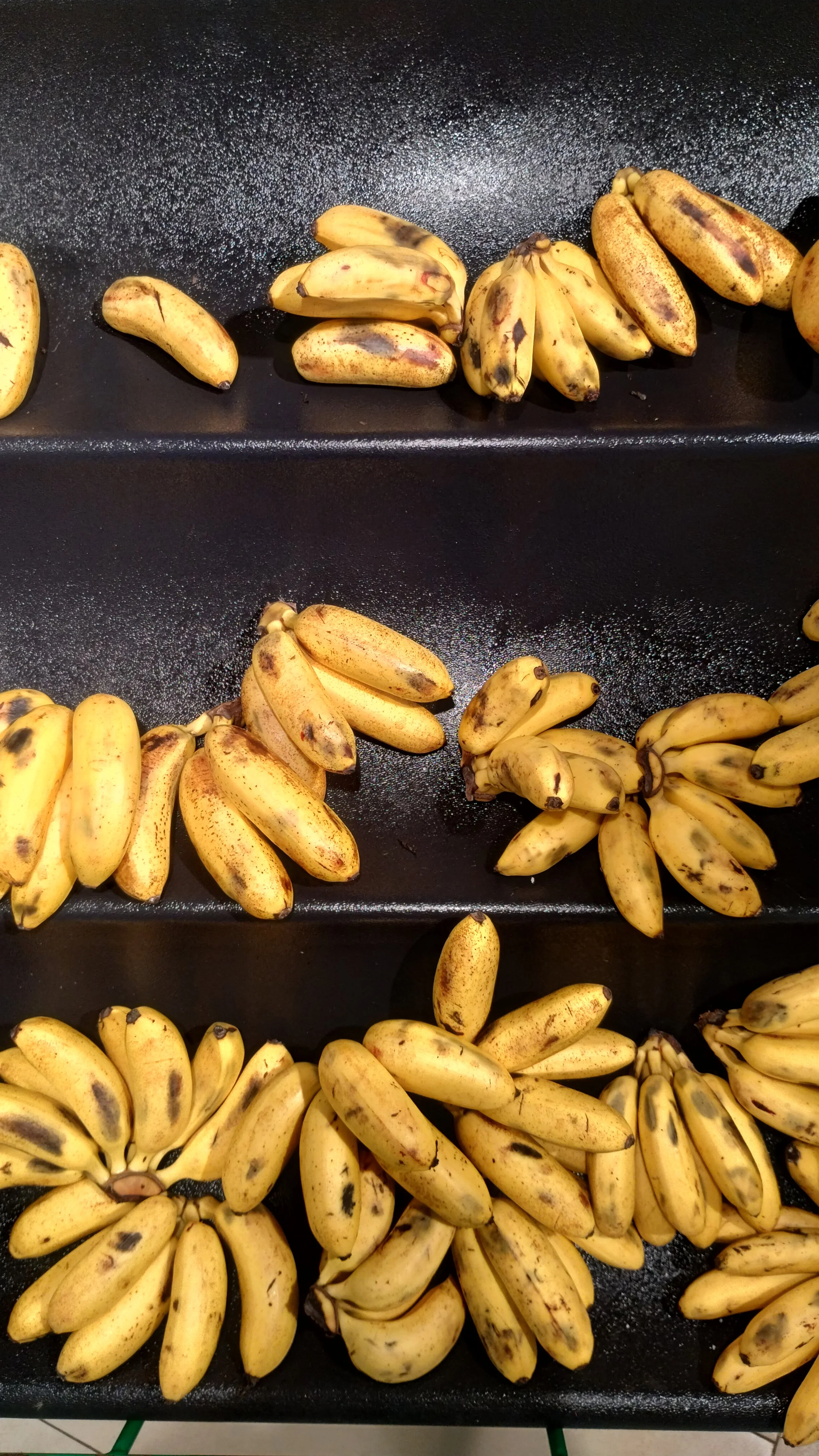
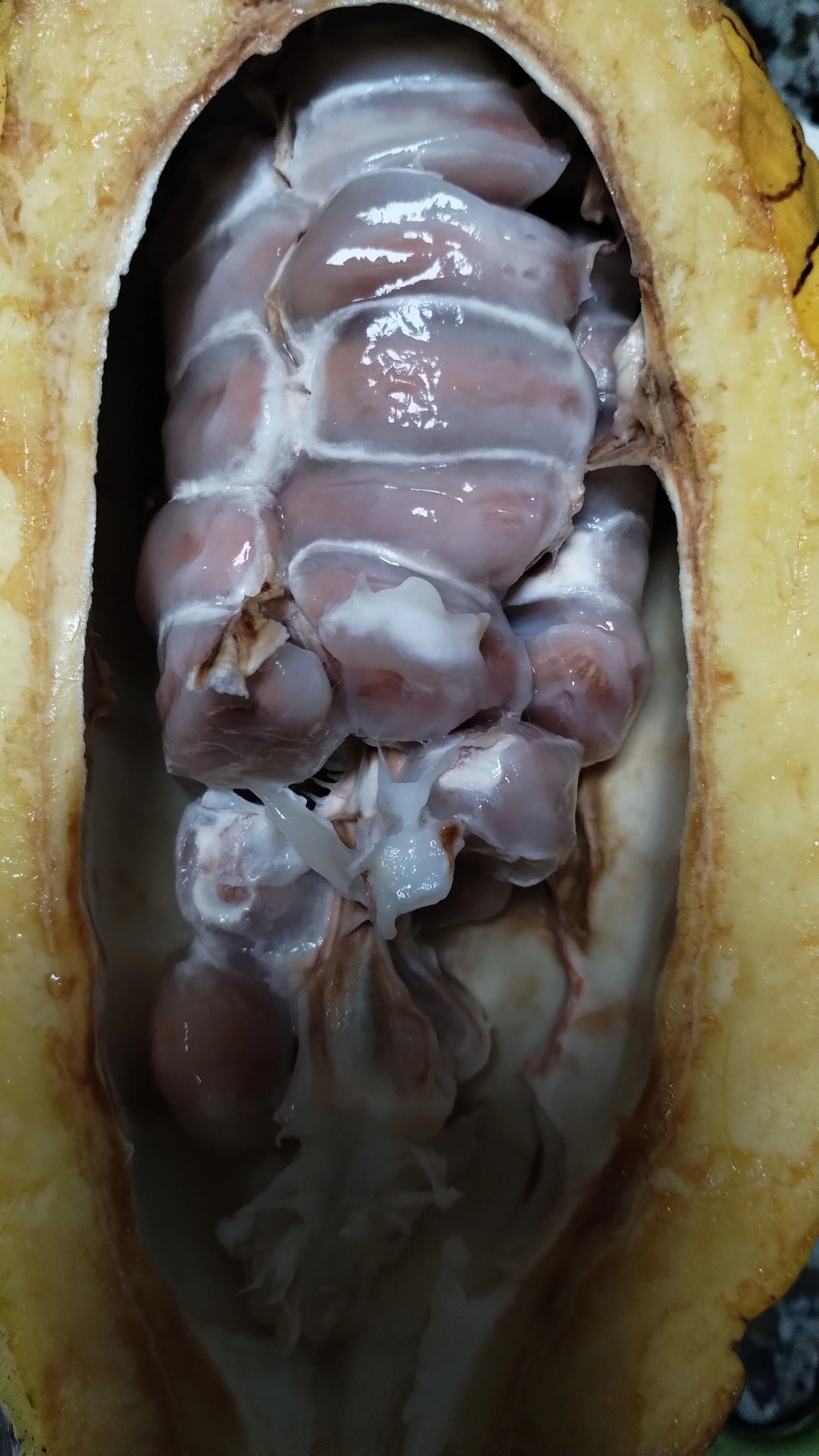
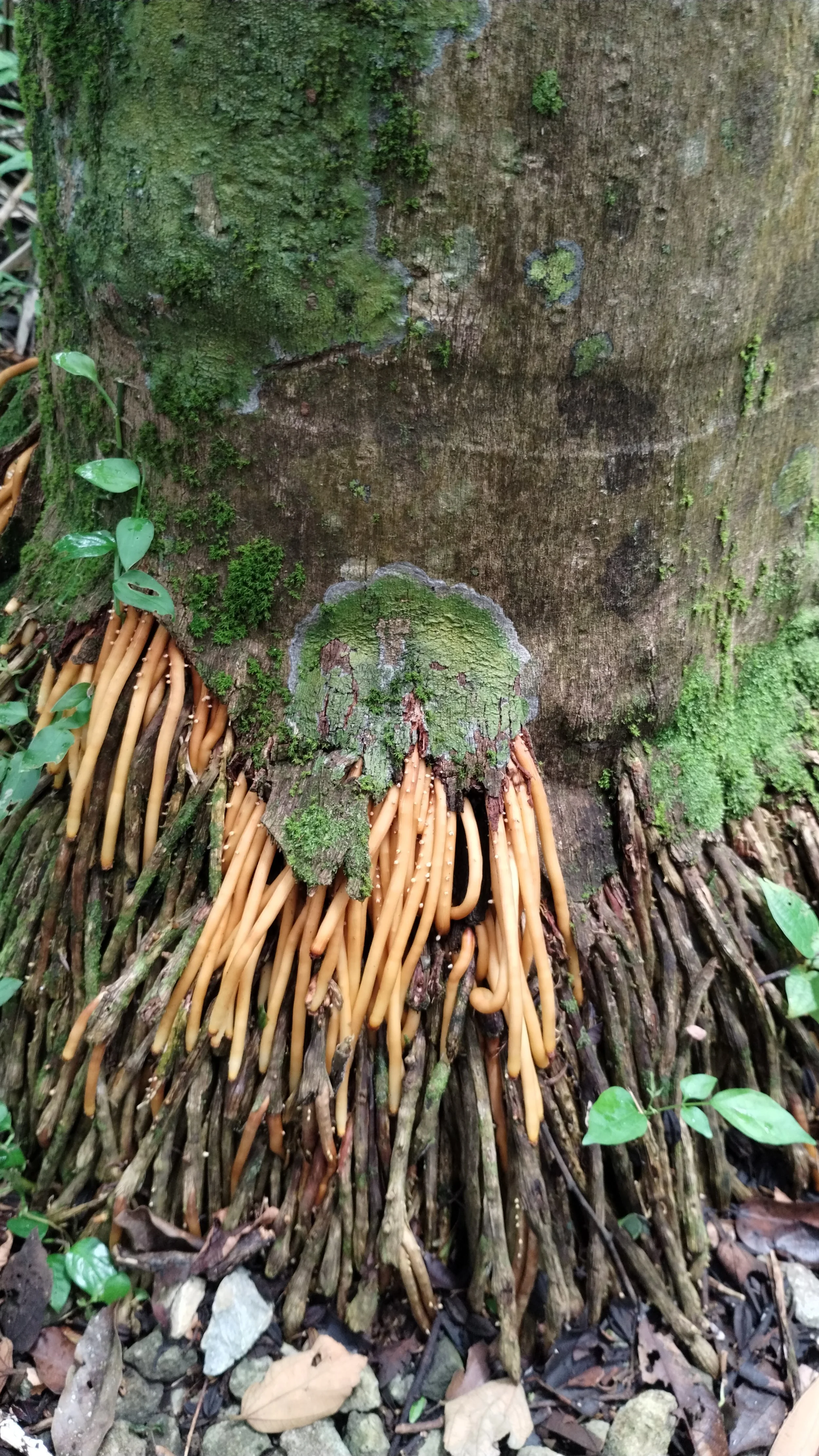
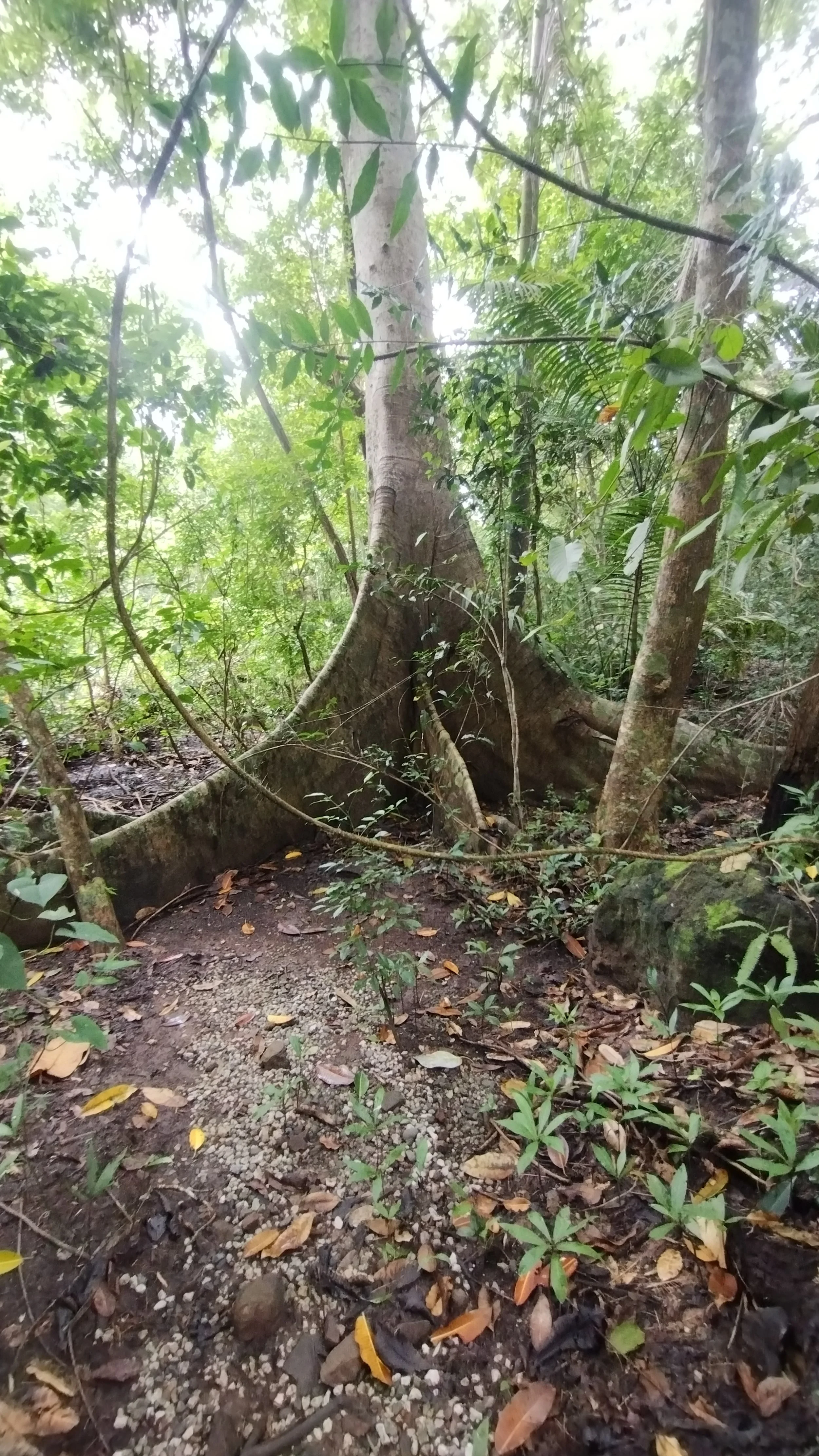
A short yet poignant time in Panama. I didn’t stay or take part in an official residency, but of course — I made one for myself during my short trip of six days. See below a handful of the awesome nature and critters I came across (plus a few others ✌️ ).
Learning about Panama
During my first few days, I was recommended to visit MAC Panama. The exhibitions The Water Binds Me to Your Name and Muse: Female Perspectives in the MAMM and MAC Panama Collections instantly attracted me, so I attempted to make my way there via public transport. I’ve never been confident at getting buses, and after failing to find the right one, I decided to walk.
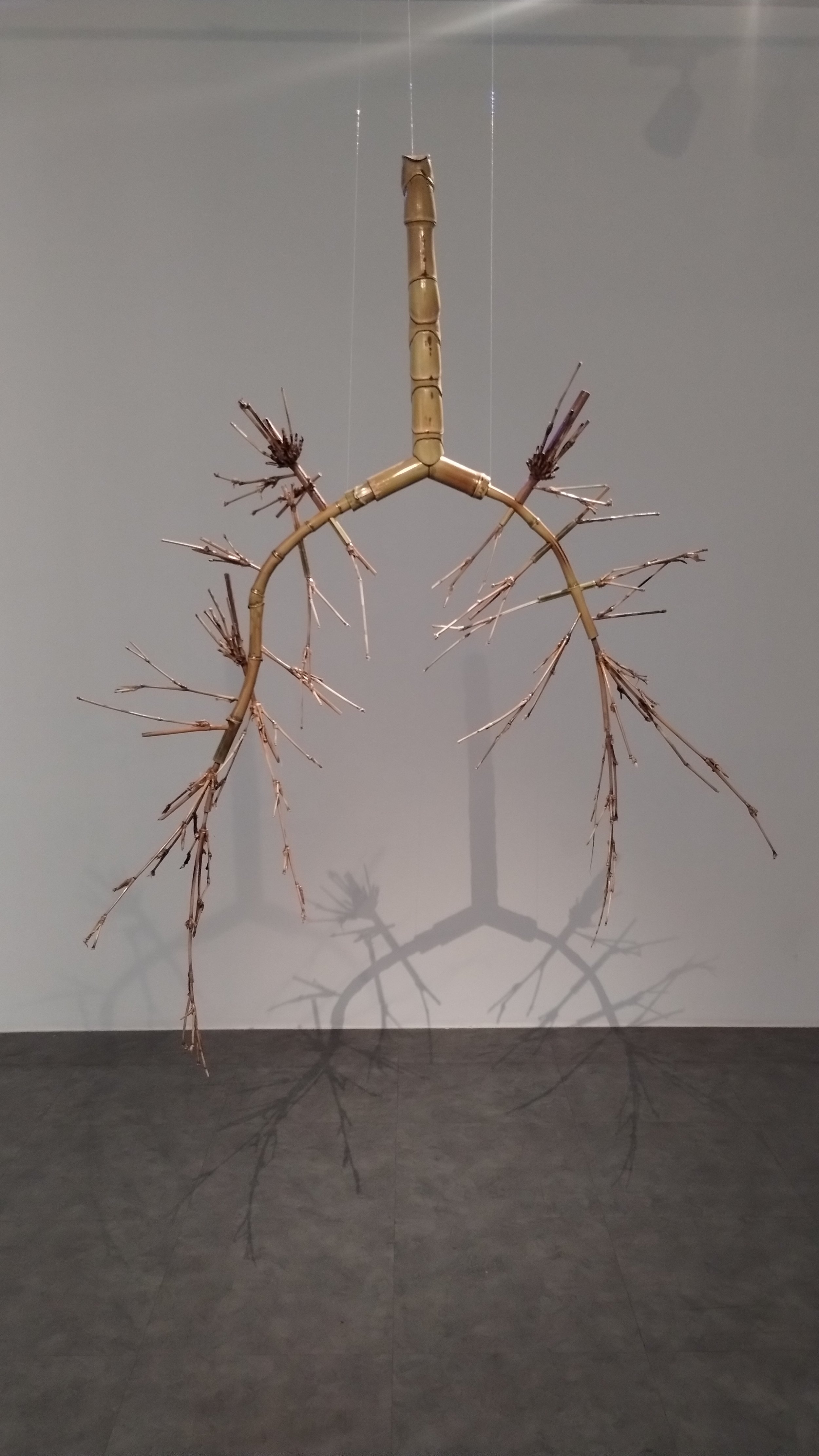
I arrived at the stunningly cool gallery — a much-needed respite from the 75% humidity. I was lucky enough to have a free personal tour guide, and I’m so glad I did. I learnt so much about Panama through the lens of contemporary art. It inspired me deeply and opened my eyes to the controversial development of the Panama Canal and the copper mines, as well as the diasporas and indigenous roots of this vibrant land.
I also enjoyed walking back — about an hour and a half exploring the city shoreline, appreciating the shade of palms and the vendors along the strip. It had me reflect on walking itself — I am on a pilgrimage after all — and maybe this is the best way for me to explore new places instead of stressing over catching buses.
The following day, I began a second walking tour to the Metropolitan National Park. However, the route took me through a struggling part of town — the smell was foul, people were dumpster diving for food, and buildings were crumbling as washing hung from their remains. Soon enough, the police approached and offered to escort me out of the area — which I realised was the best decision. When the police pick up wandering tourists in broad daylight, it says a lot about the danger of the area, and I was grateful for their help.
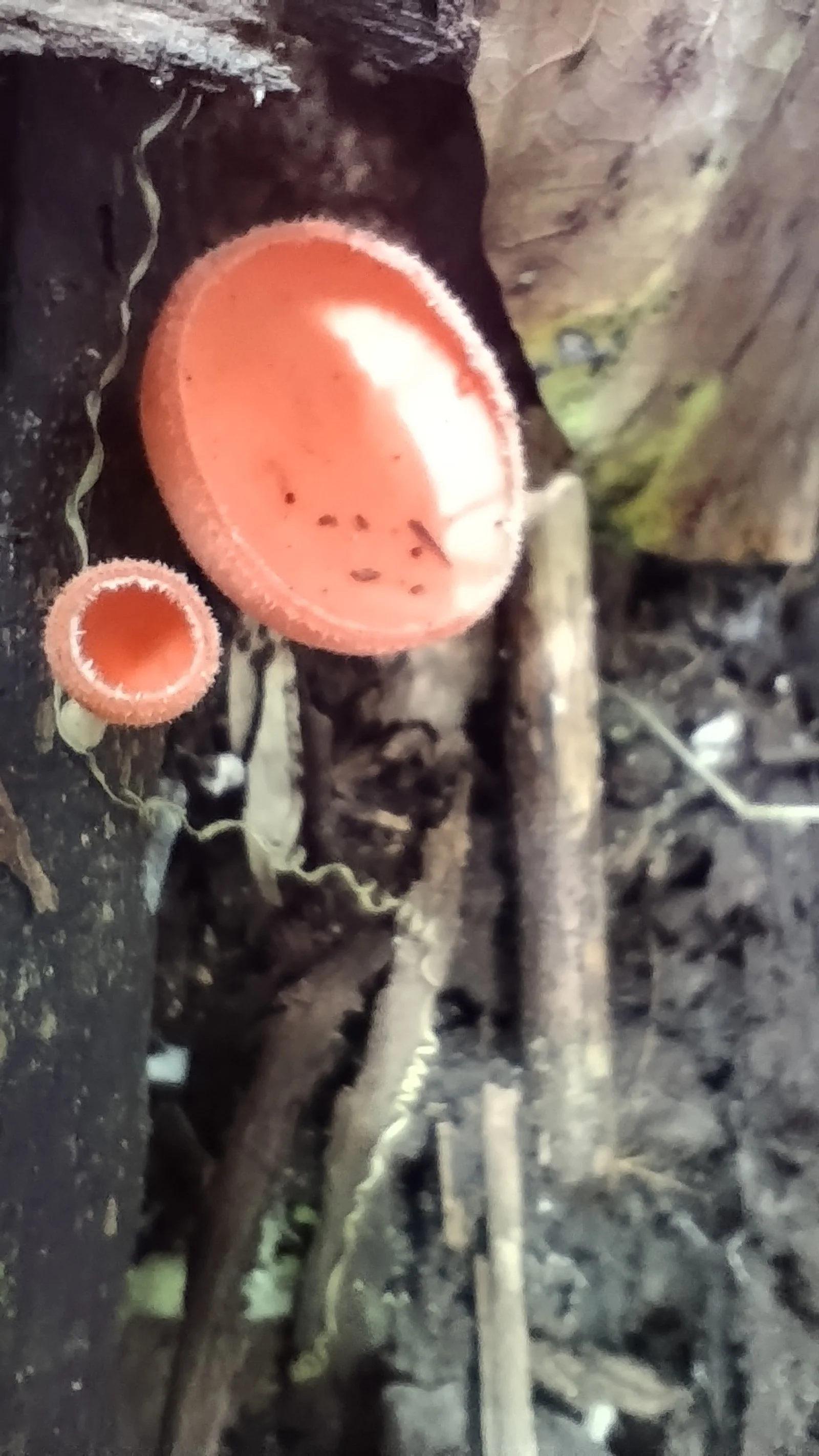
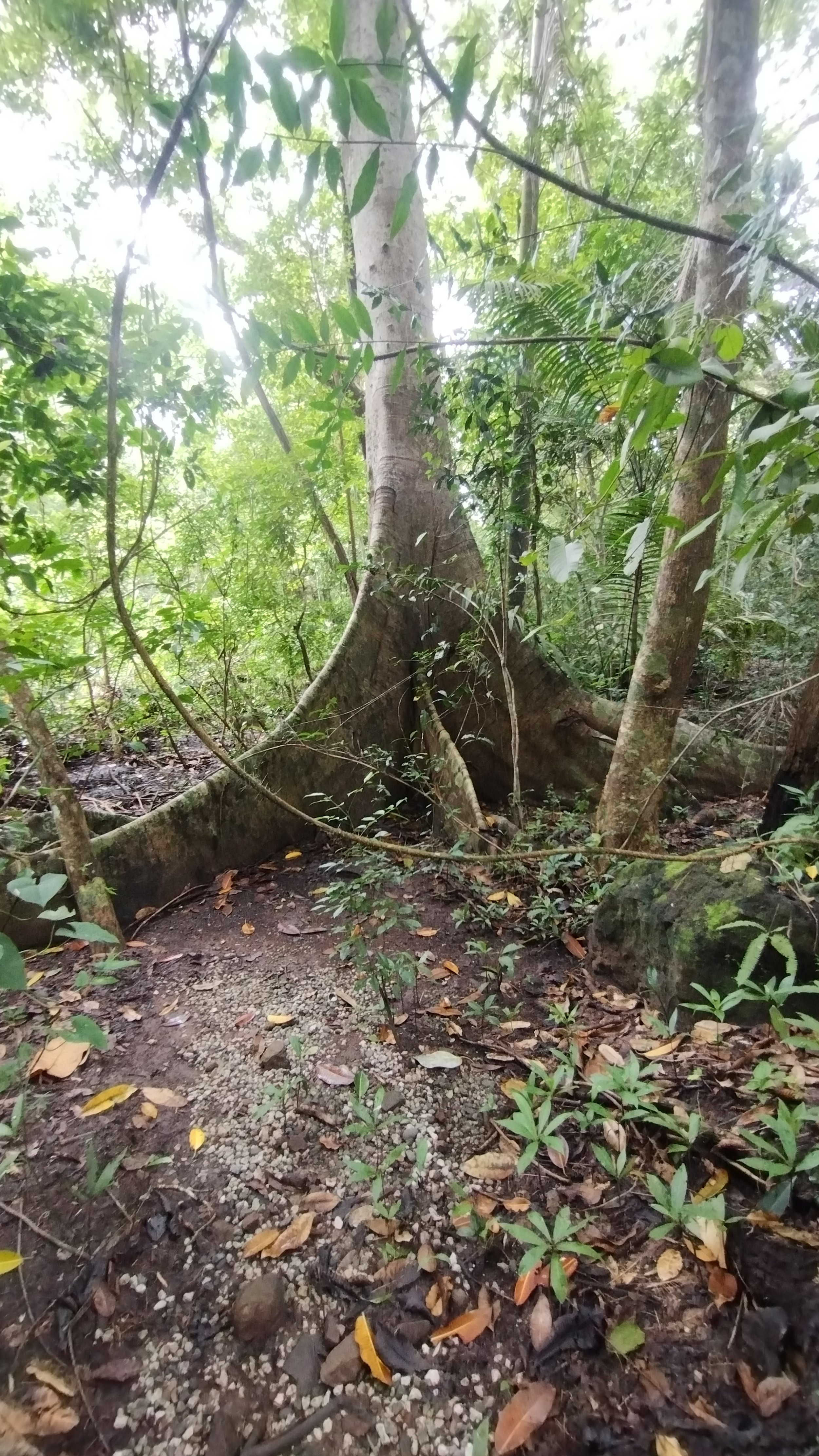
Some pictures below from my days out…
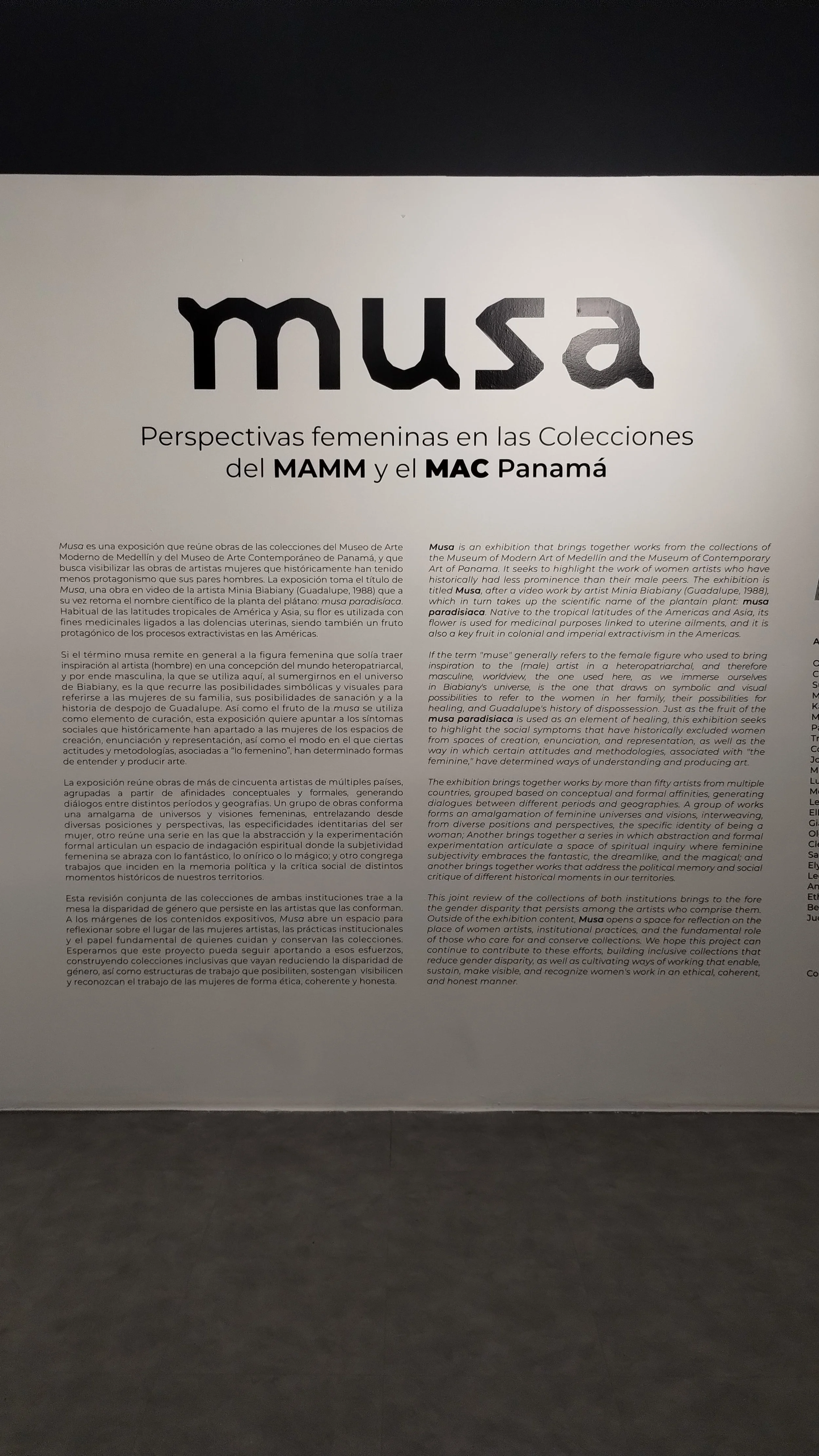
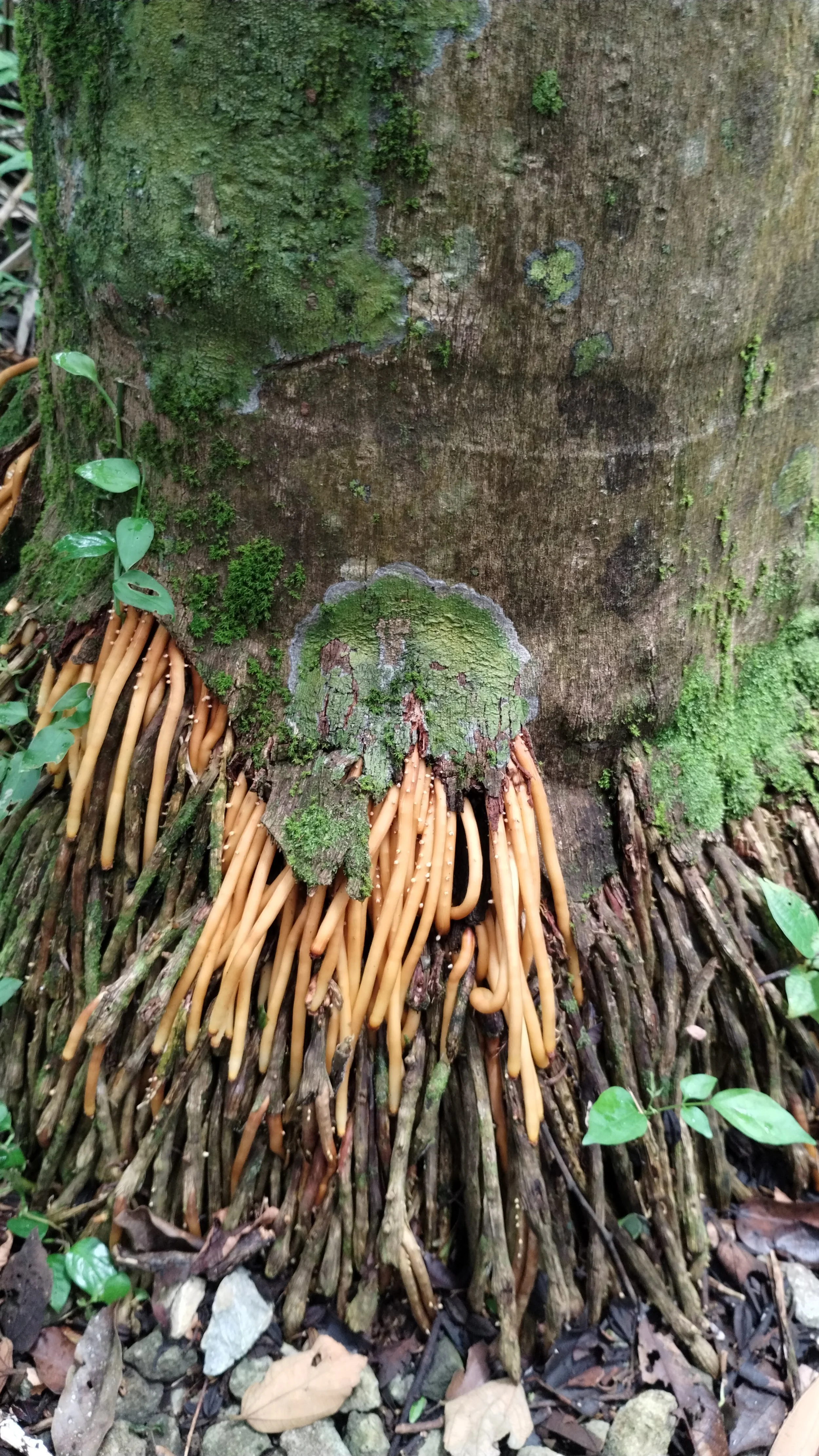
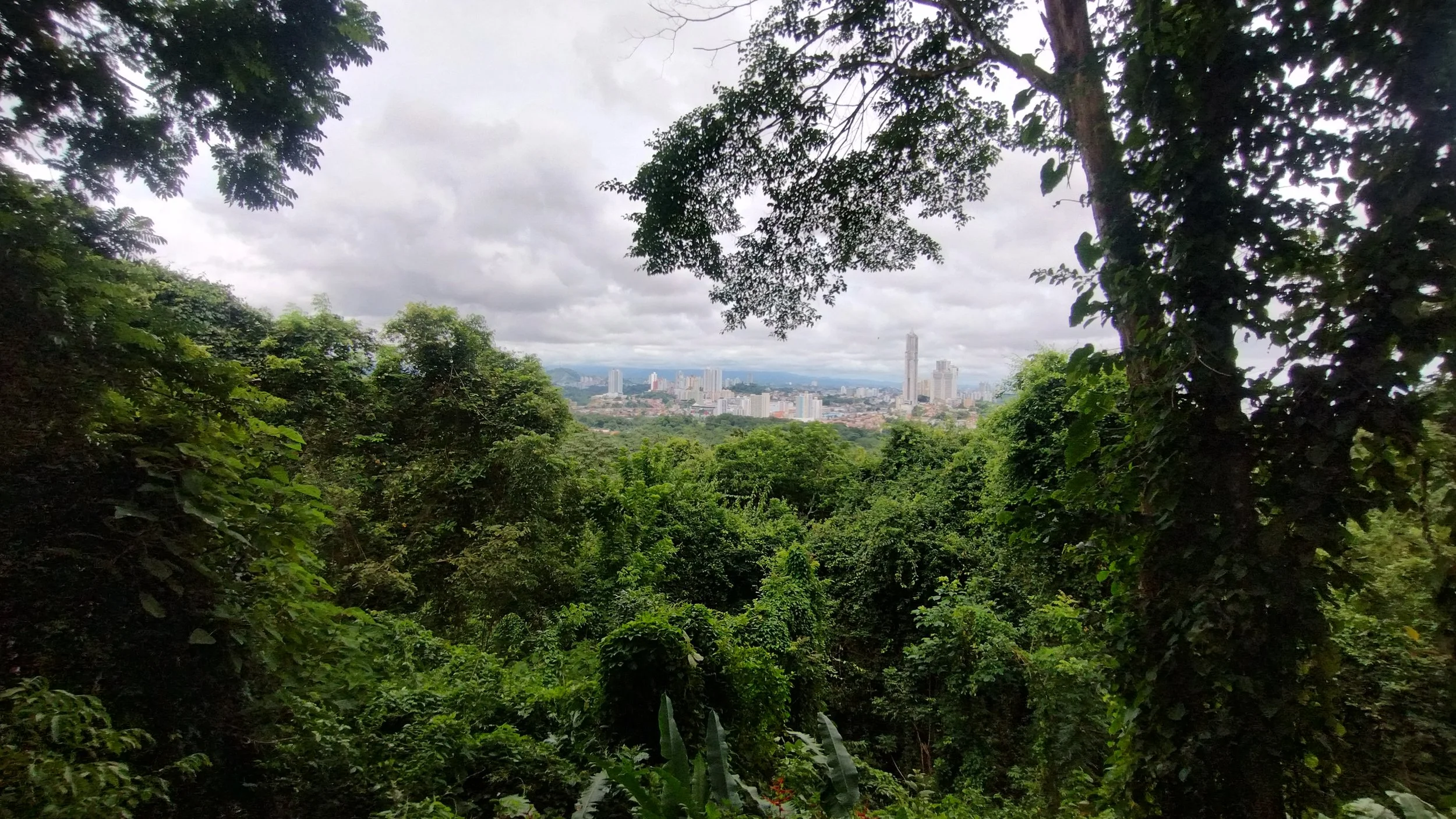
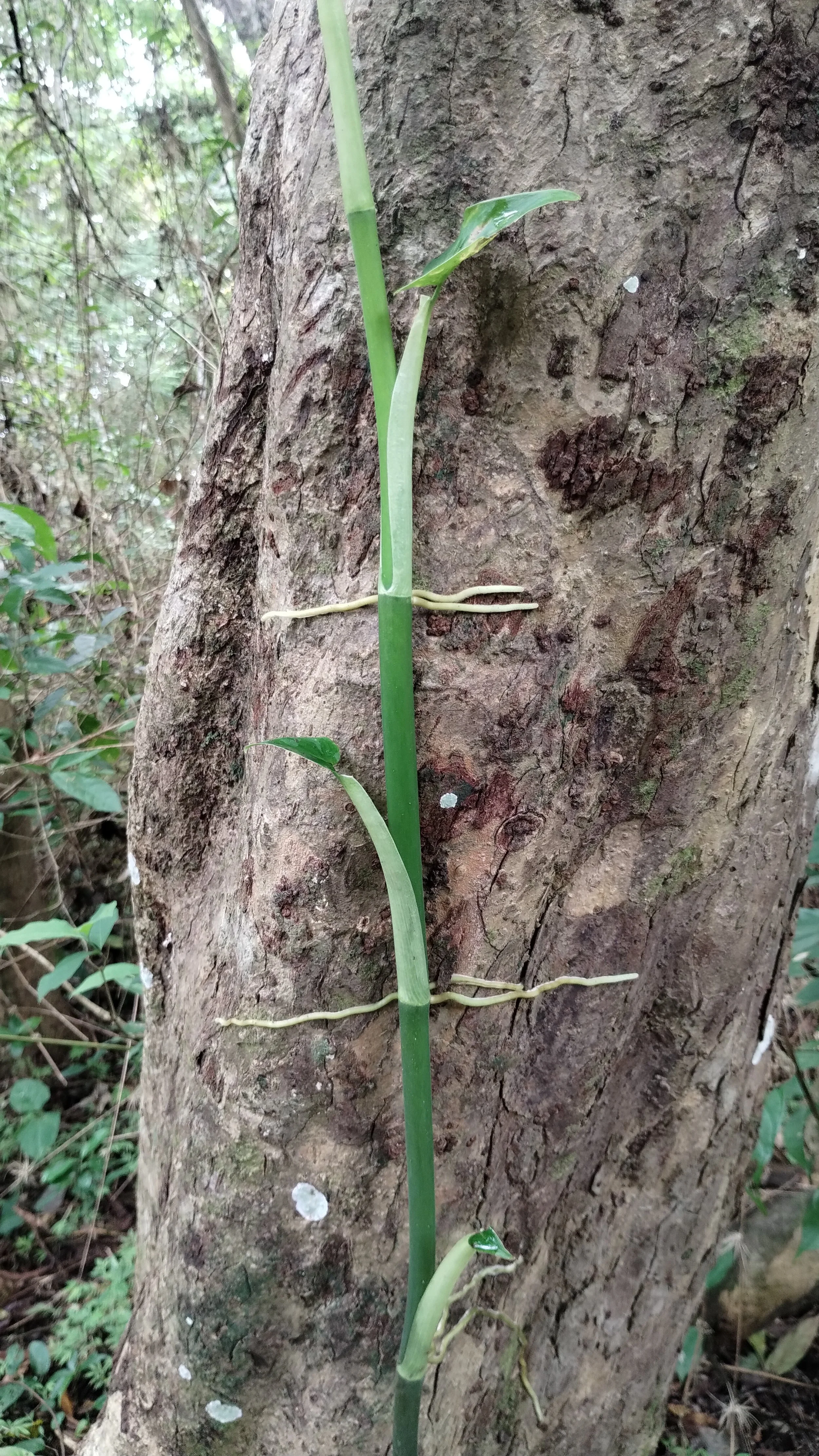
Reflection: in the name of progress
After learning at the MAC, I reflected on my walks and the days preceding them. As I sat in my accommodation, I saw birds perched on telephone wires, with murky high-rise buildings in the background and a few palms swaying nearby. This is still a jungle — the humidity lets you know it’s home. I guess all cities were once forests, jungles; a home and resting places for the diversity of animals — especially Panama, which boasts the most bird species of any country its size.
Birds on wires
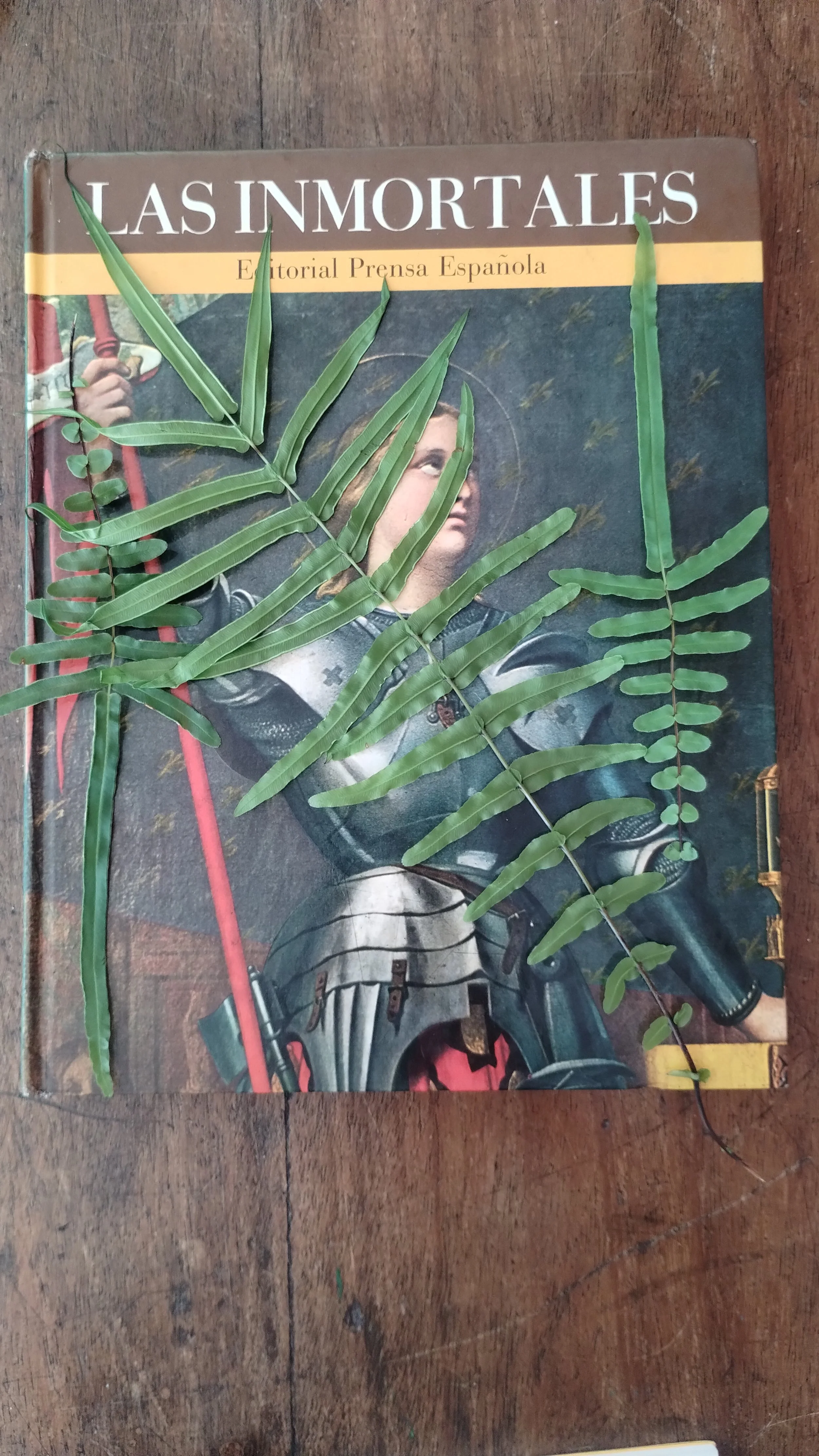
When I had first arrived, I noticed the ferns where I was staying and immediately went to find their Latin name. Sure enough, they were Pteris vittata, meaning “wing” or “feather.”
Panama itself is an isthmus — a body of land with water on either side — and its Latin root means “neck,” something that connects two things together. Conceptually, that made sense to me. I had just been immersed in nature in Colombia, and now I was entering a place where development in the name of progress was destroying it.
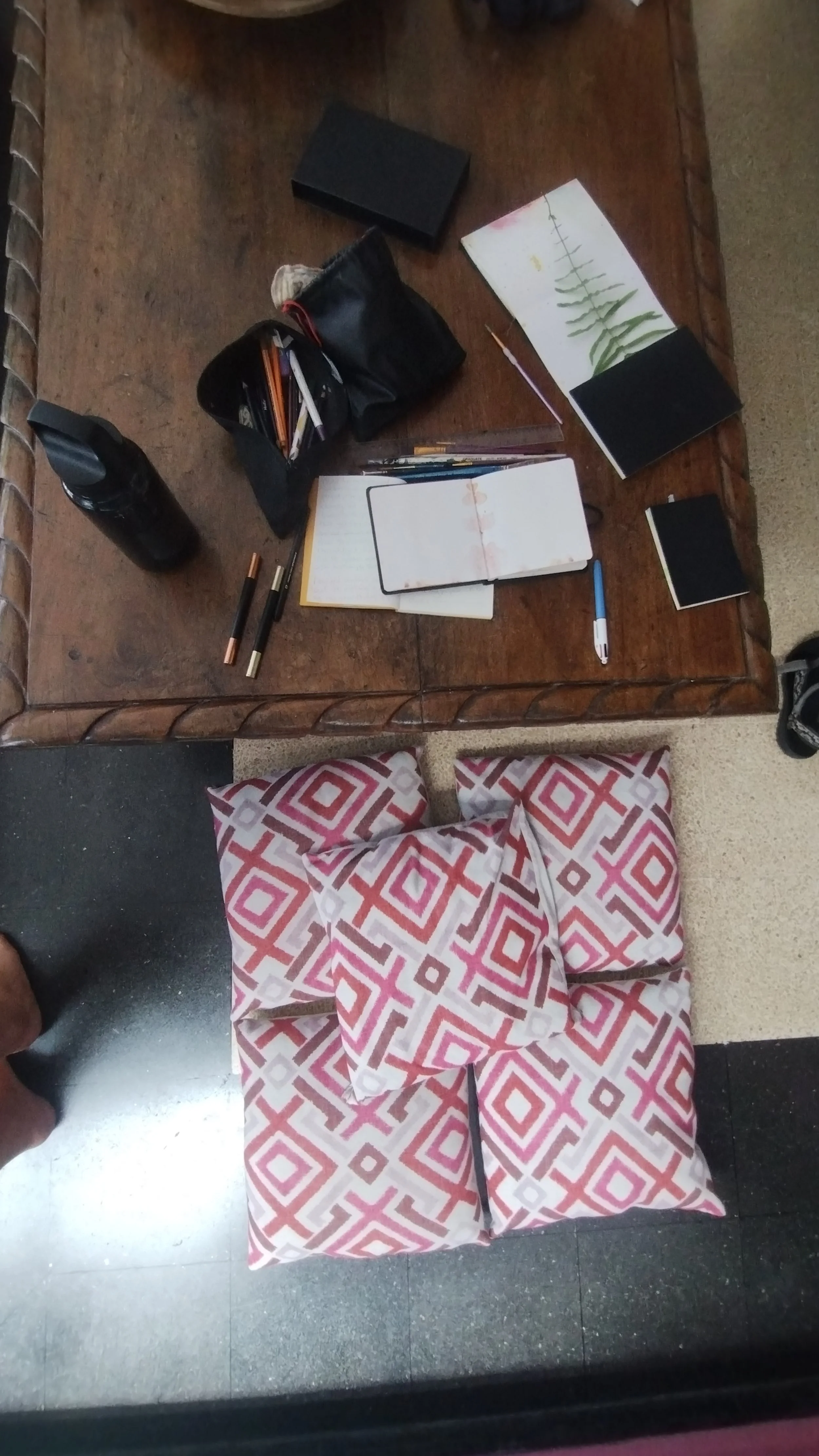
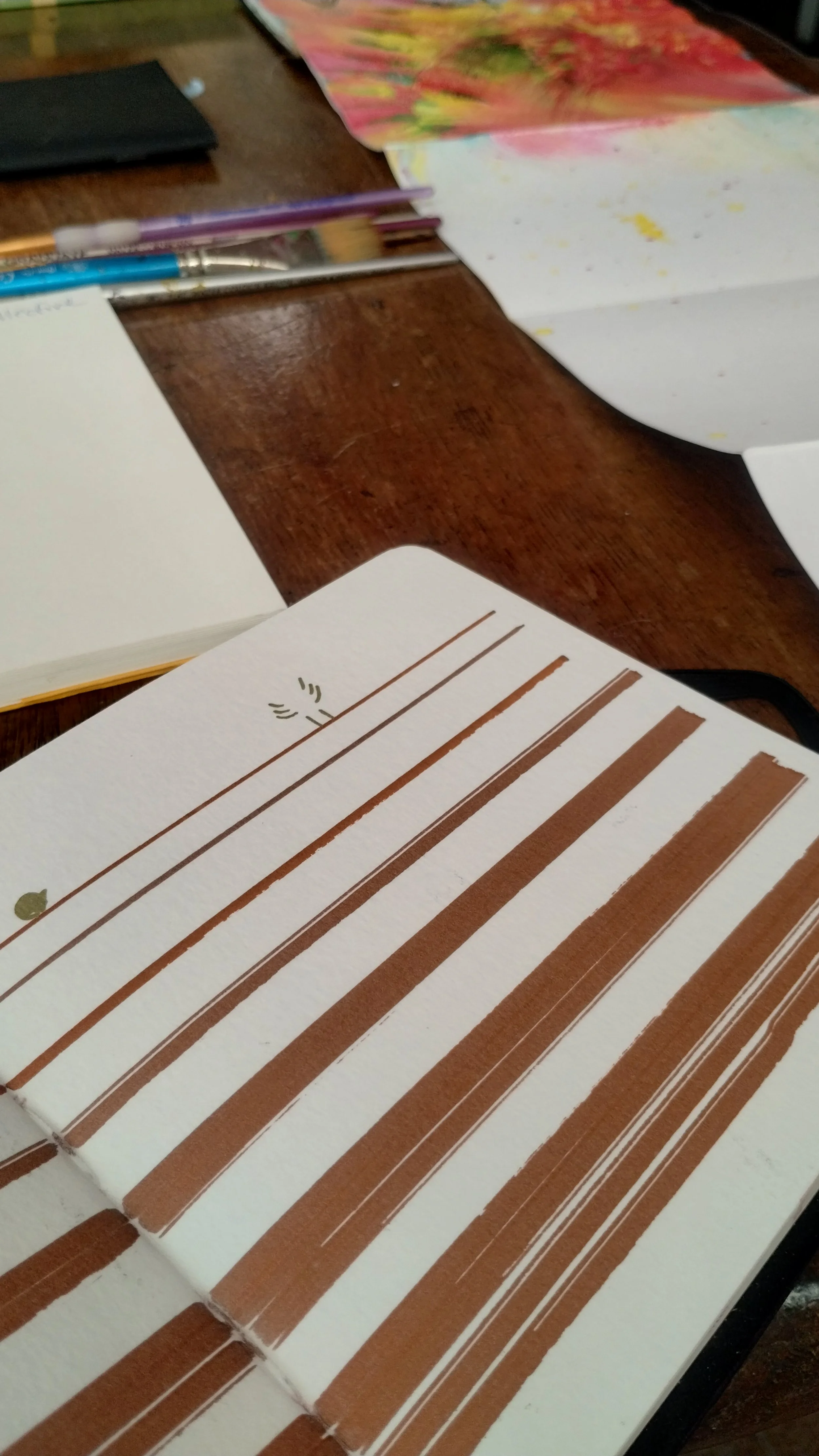
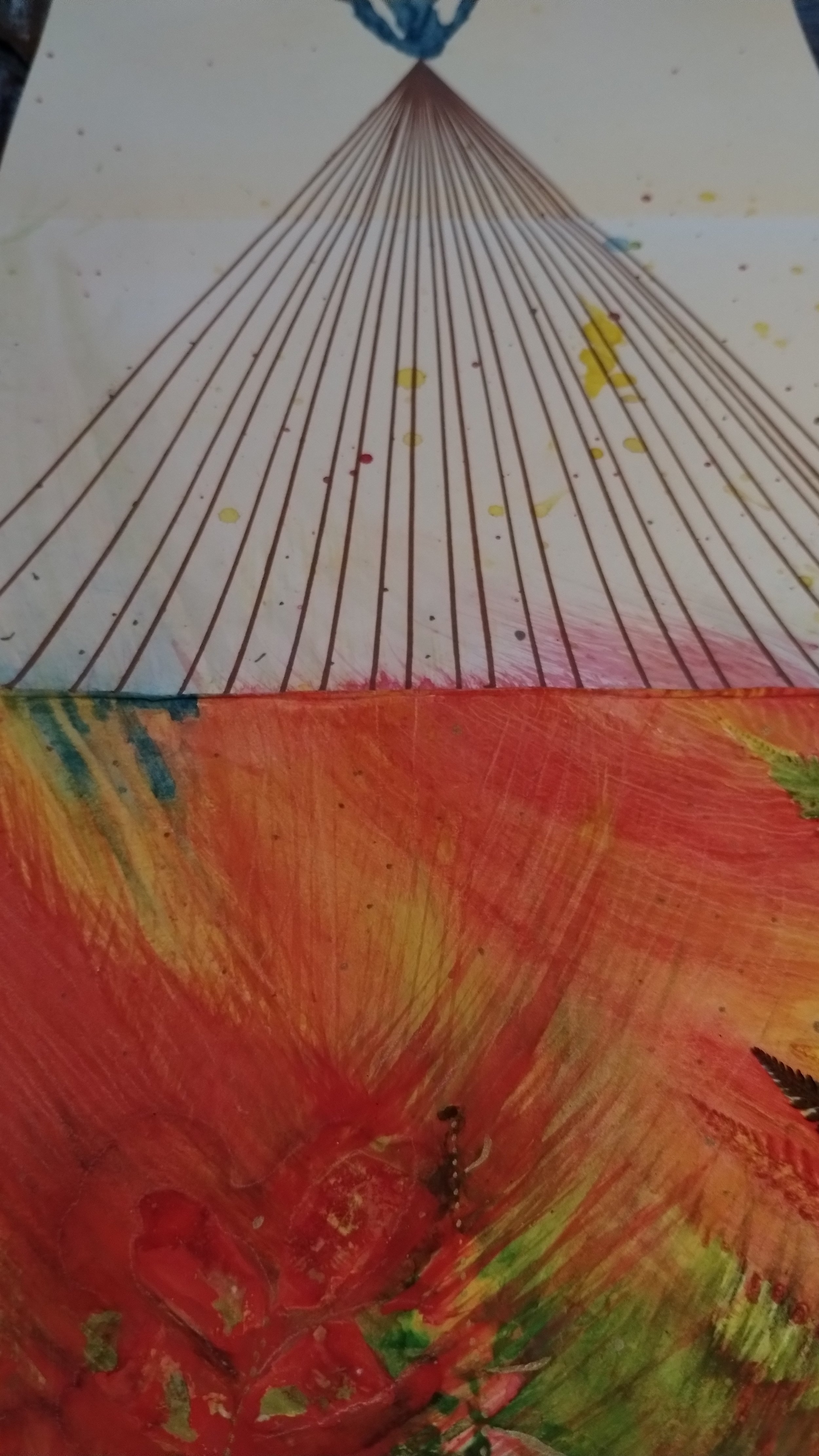
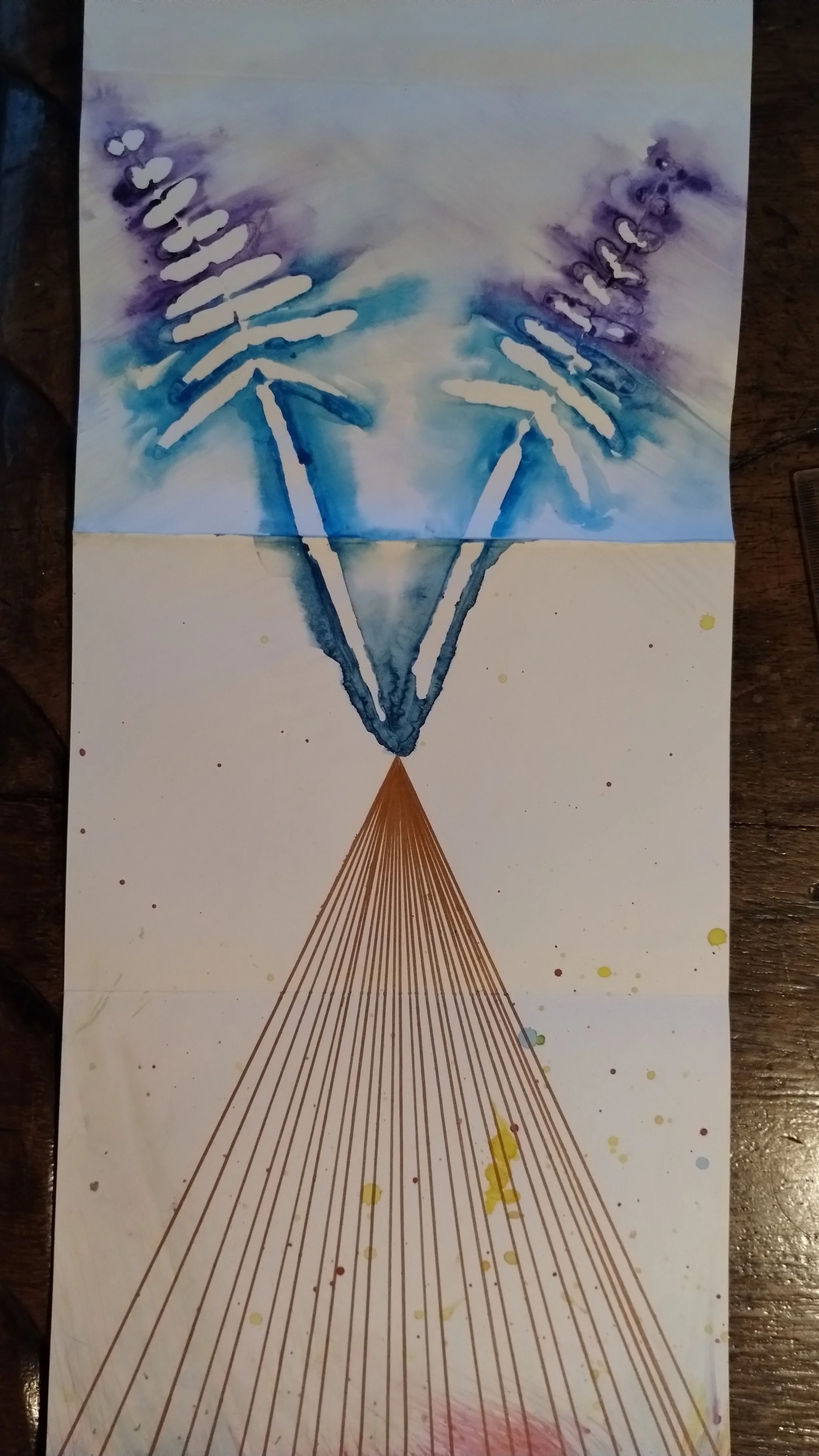
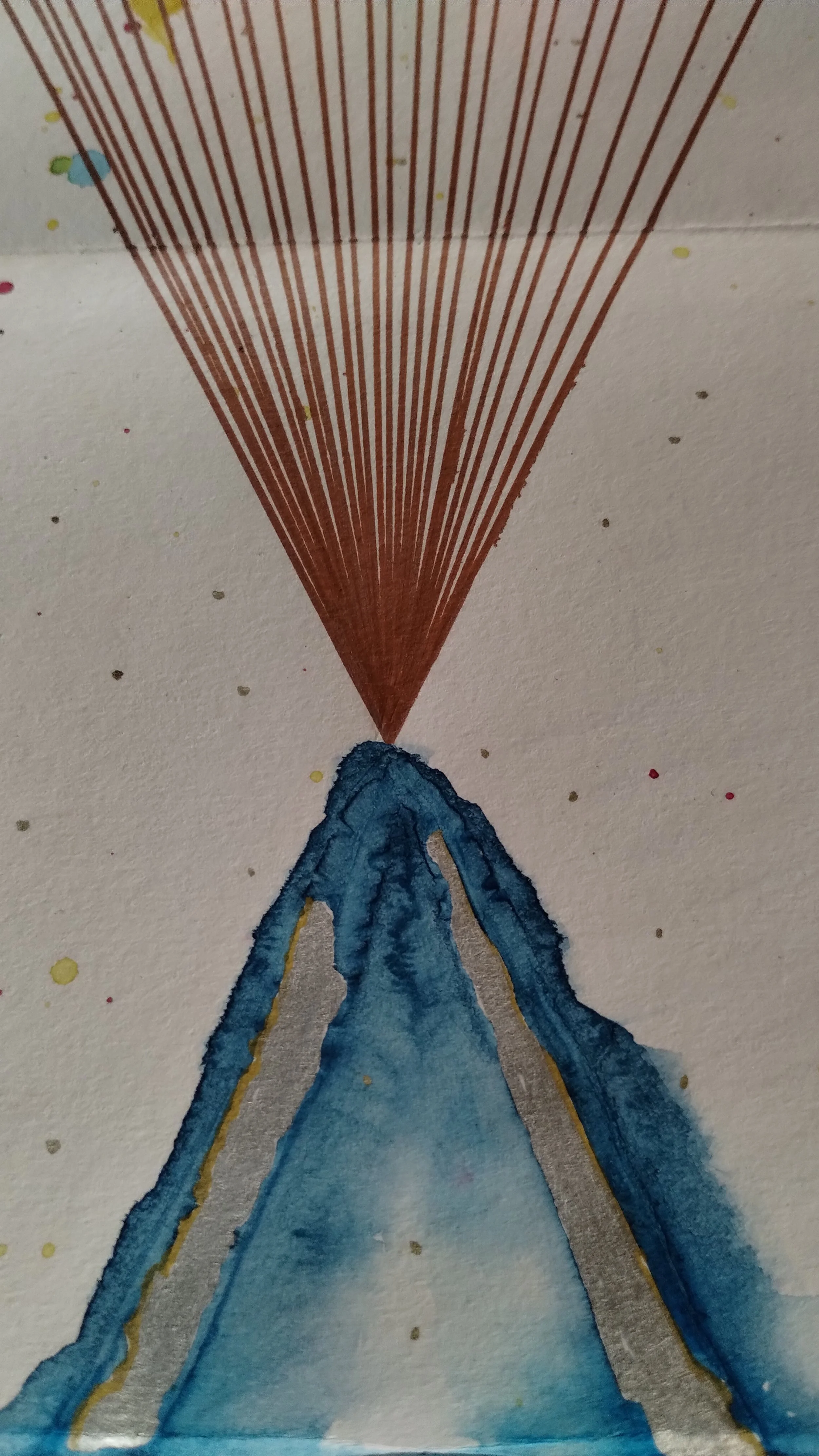
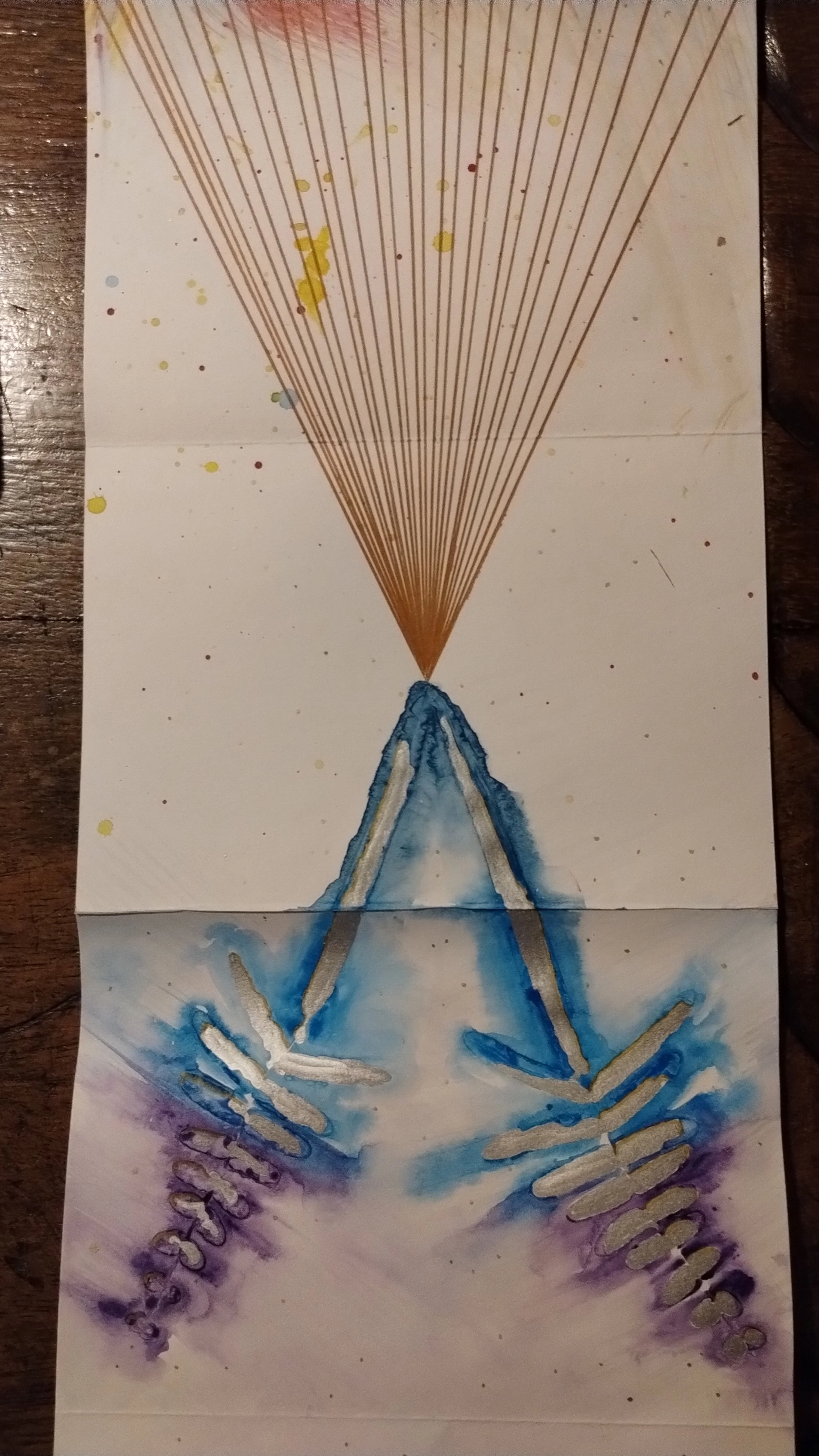
I spent the day following the breadcrumbs and visualising my findings. This is what I have:
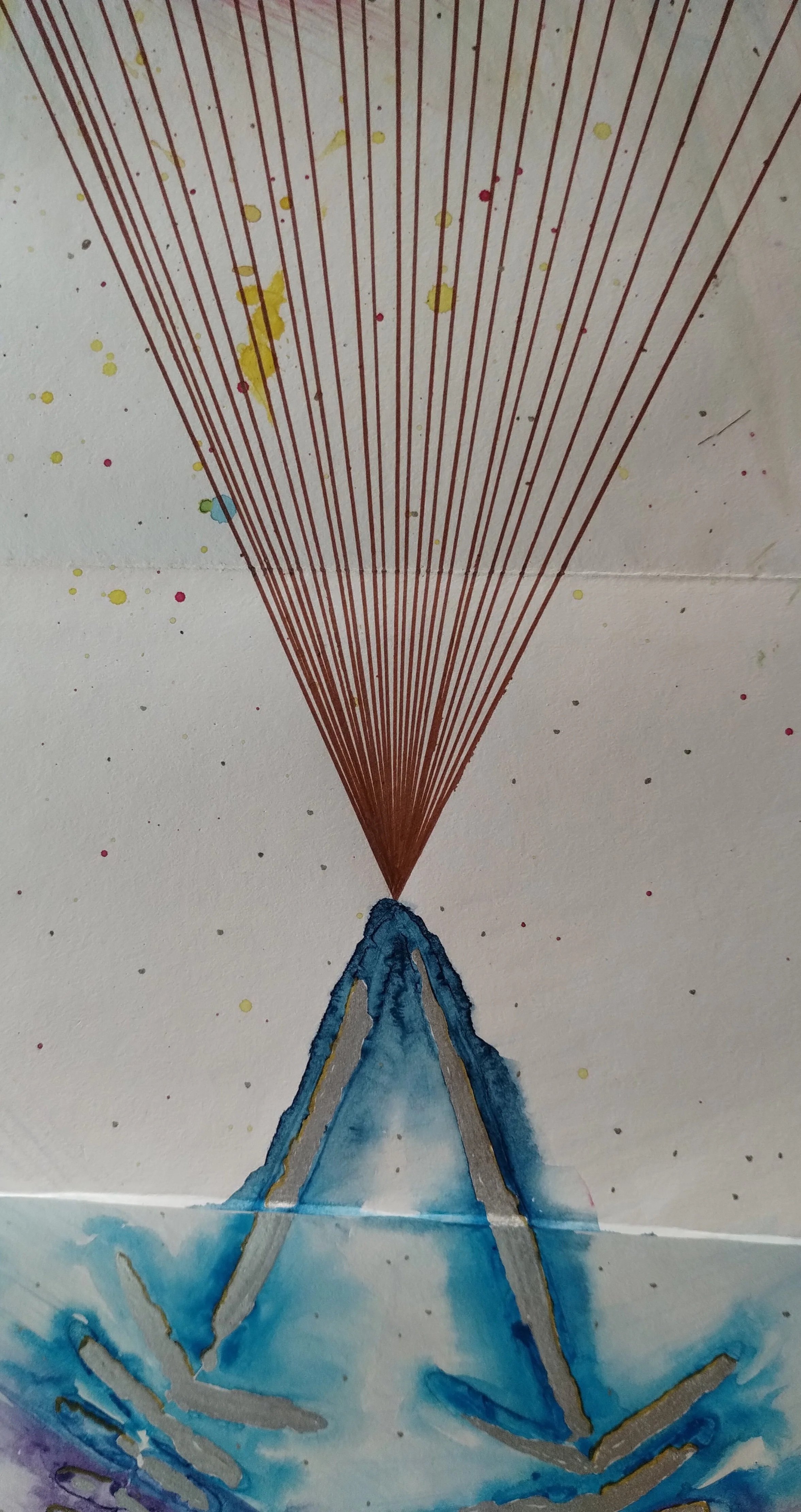
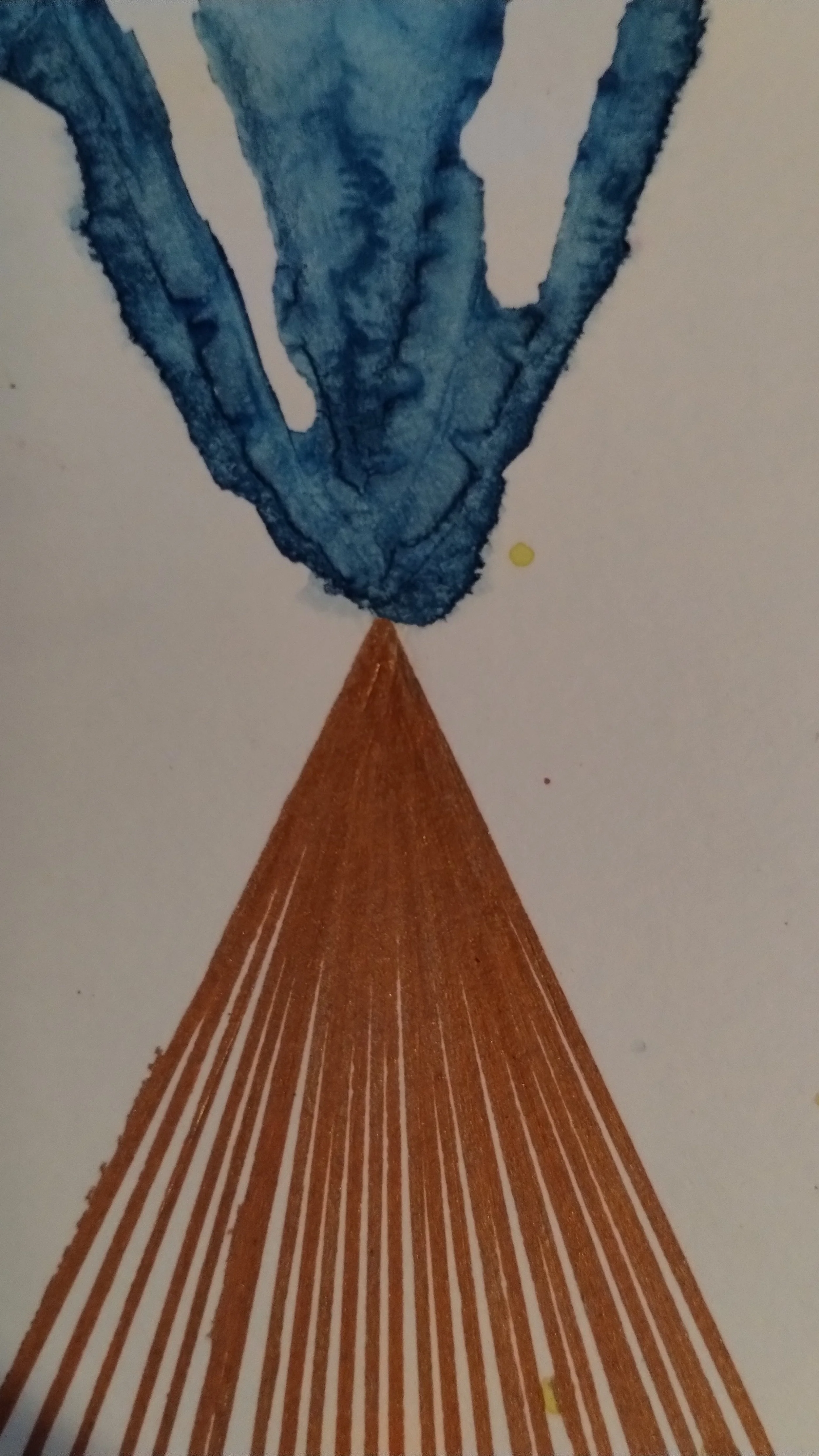
Copper lines to represent the mines of Panama, copper wires of communication and human-made technology — where nature has been harvested for our advancement.
The book I used to press the ferns happened to be Women of History, with Joan of Arc on the cover — using a sword as a metaphor for truth, protection, and speech/communication (the pen is mightier, after all). If only I had a feather as a quill!
The ferns were to be the wings of a bird and resemble a sword. I found that the national bird of Panama is the Harpy Eagle (its name derived from Harpies — half-women, half-birds who carried souls to Hades). Dumbledore’s Phoenix in Harry Potter was based on this same bird — referencing the phoenix from my previous Colombia map, the embers of fire from the Phoenix painting can be seen in the background. It was perfect.
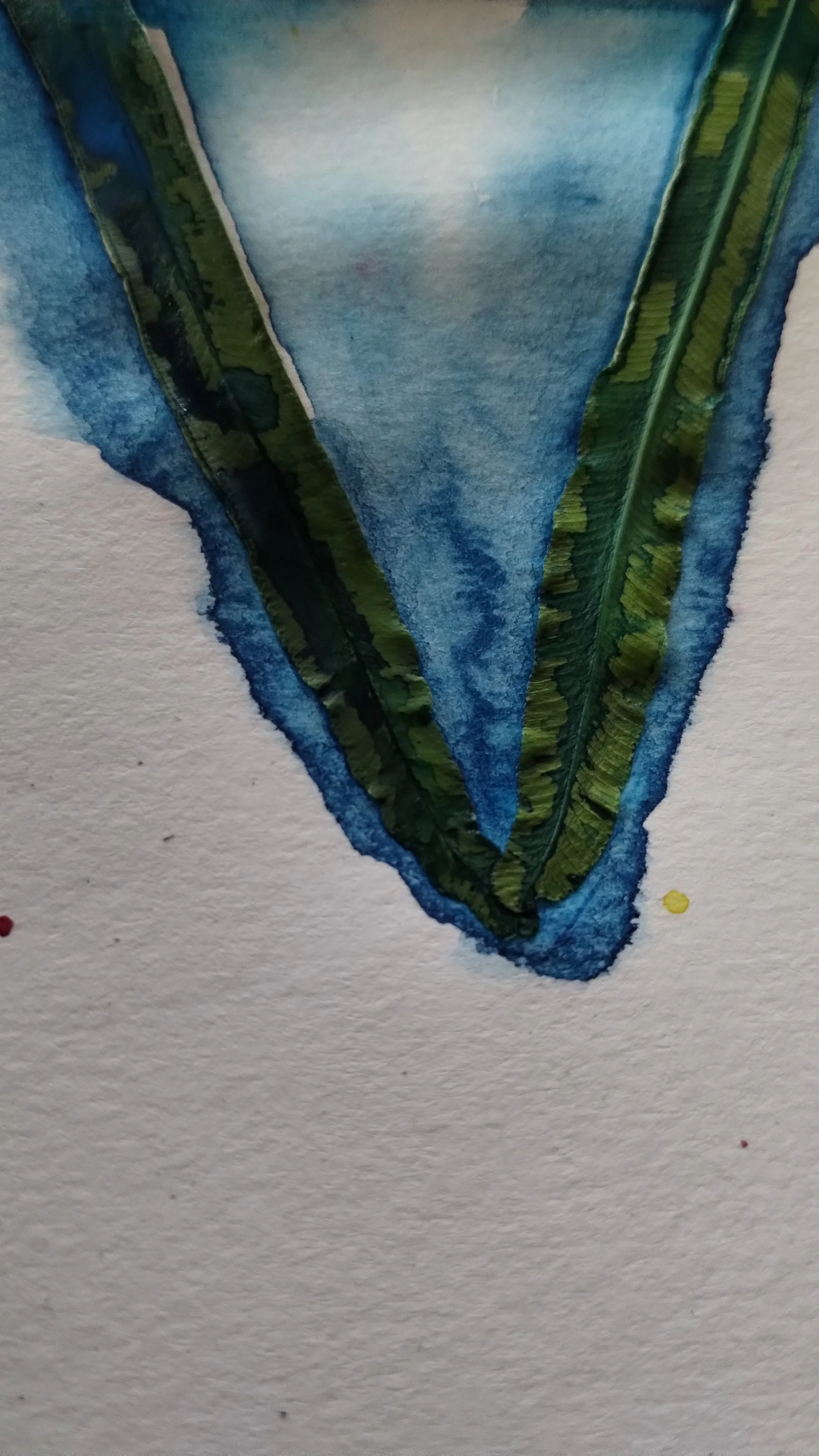
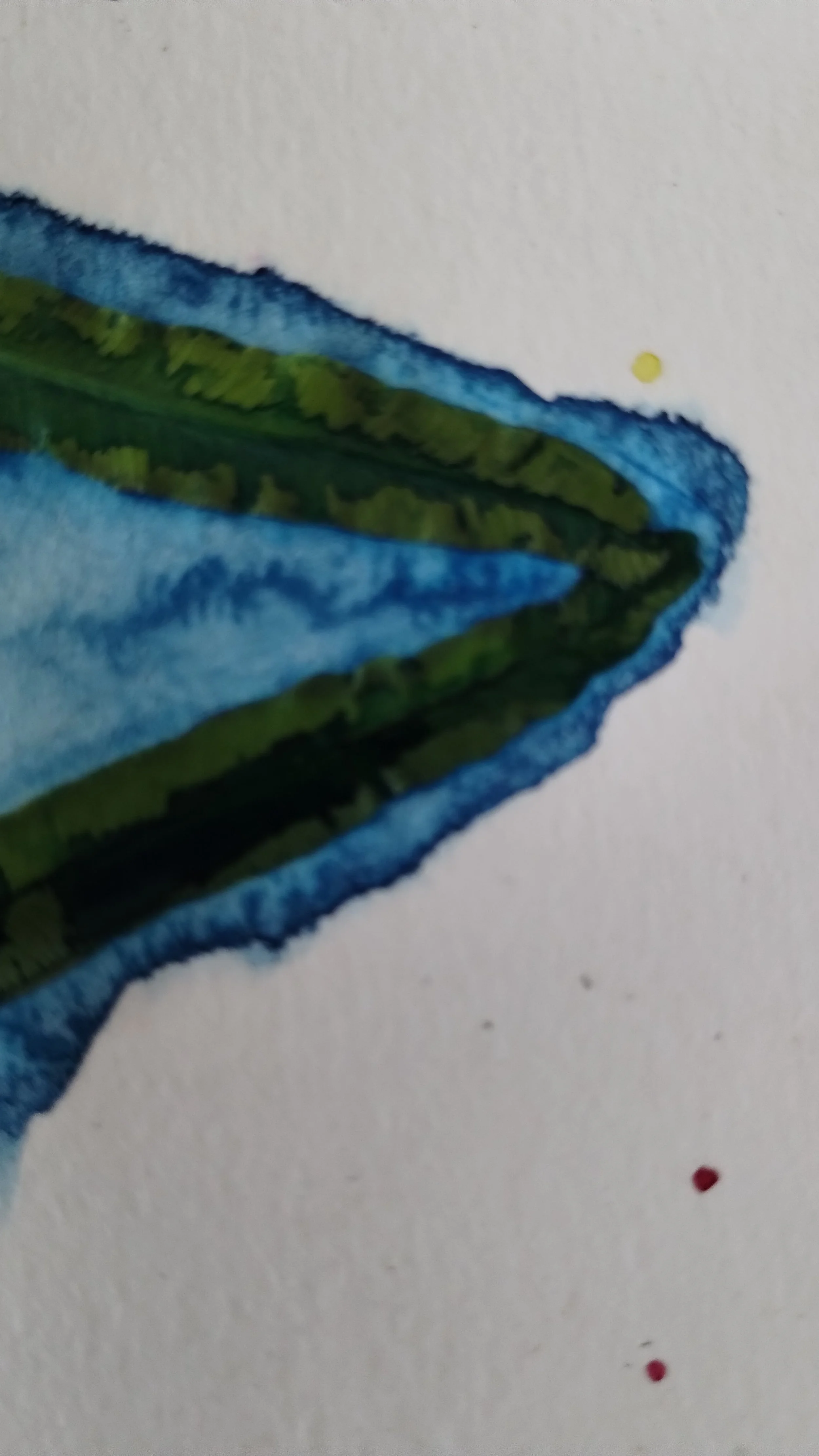
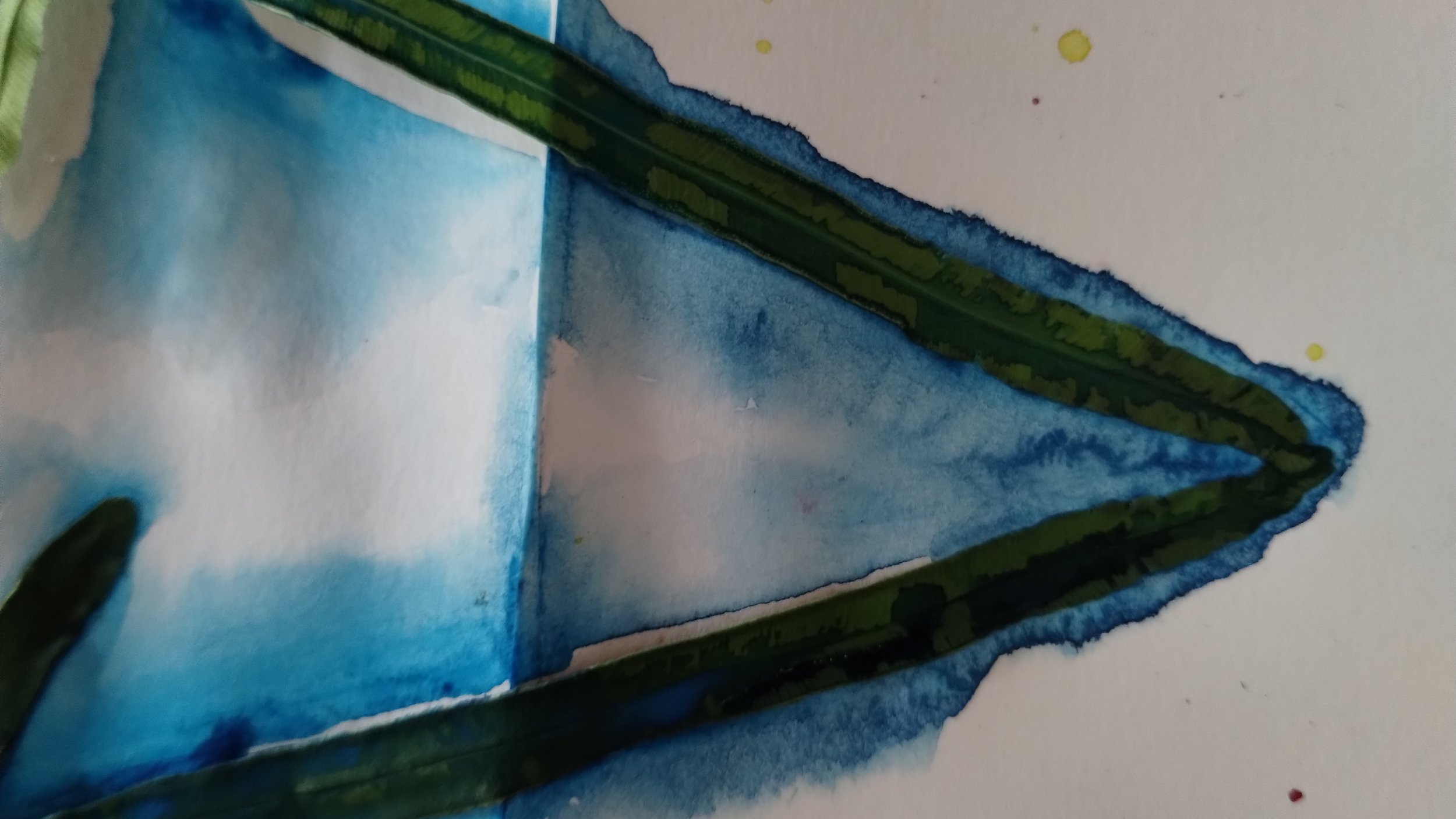
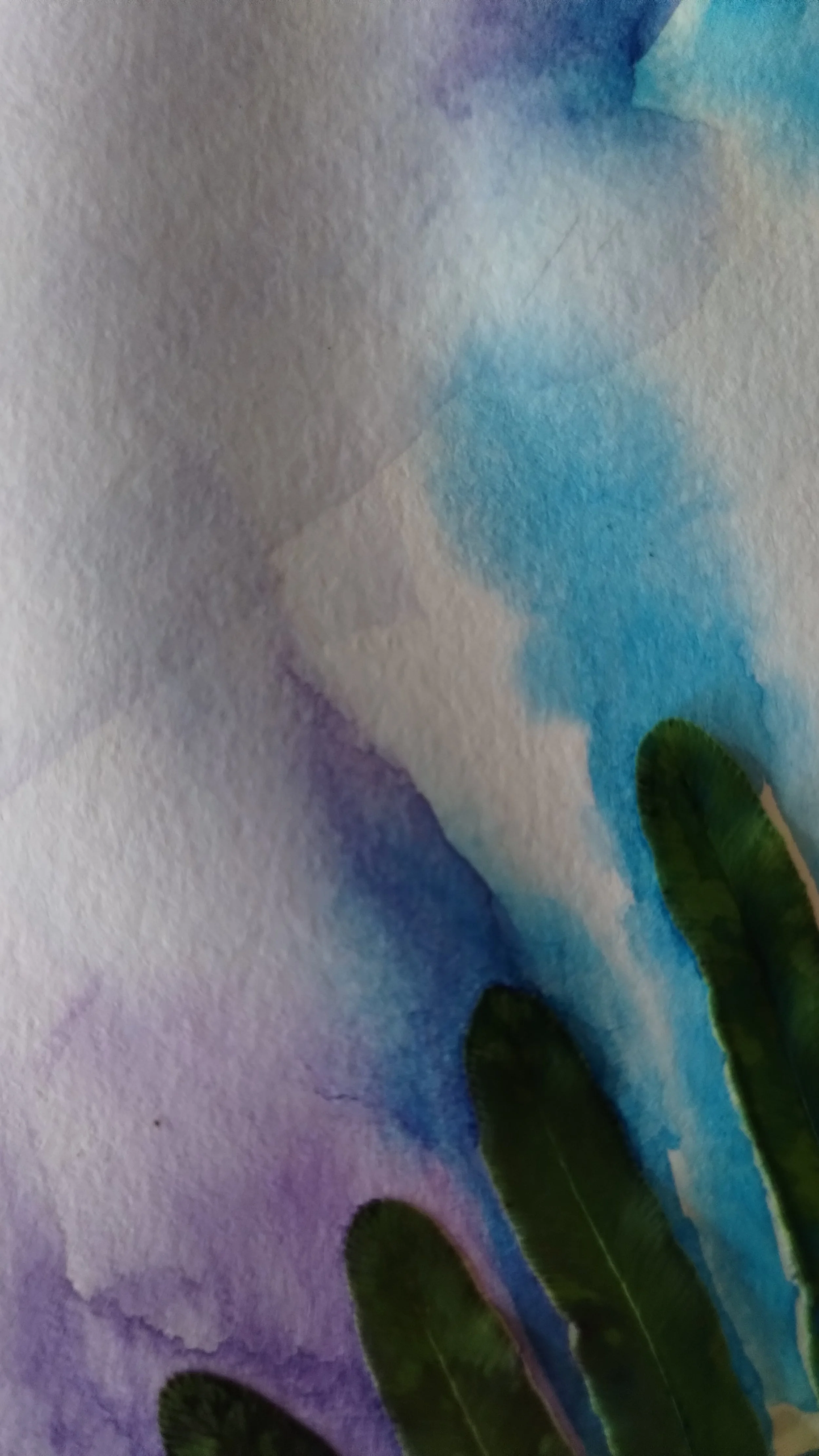
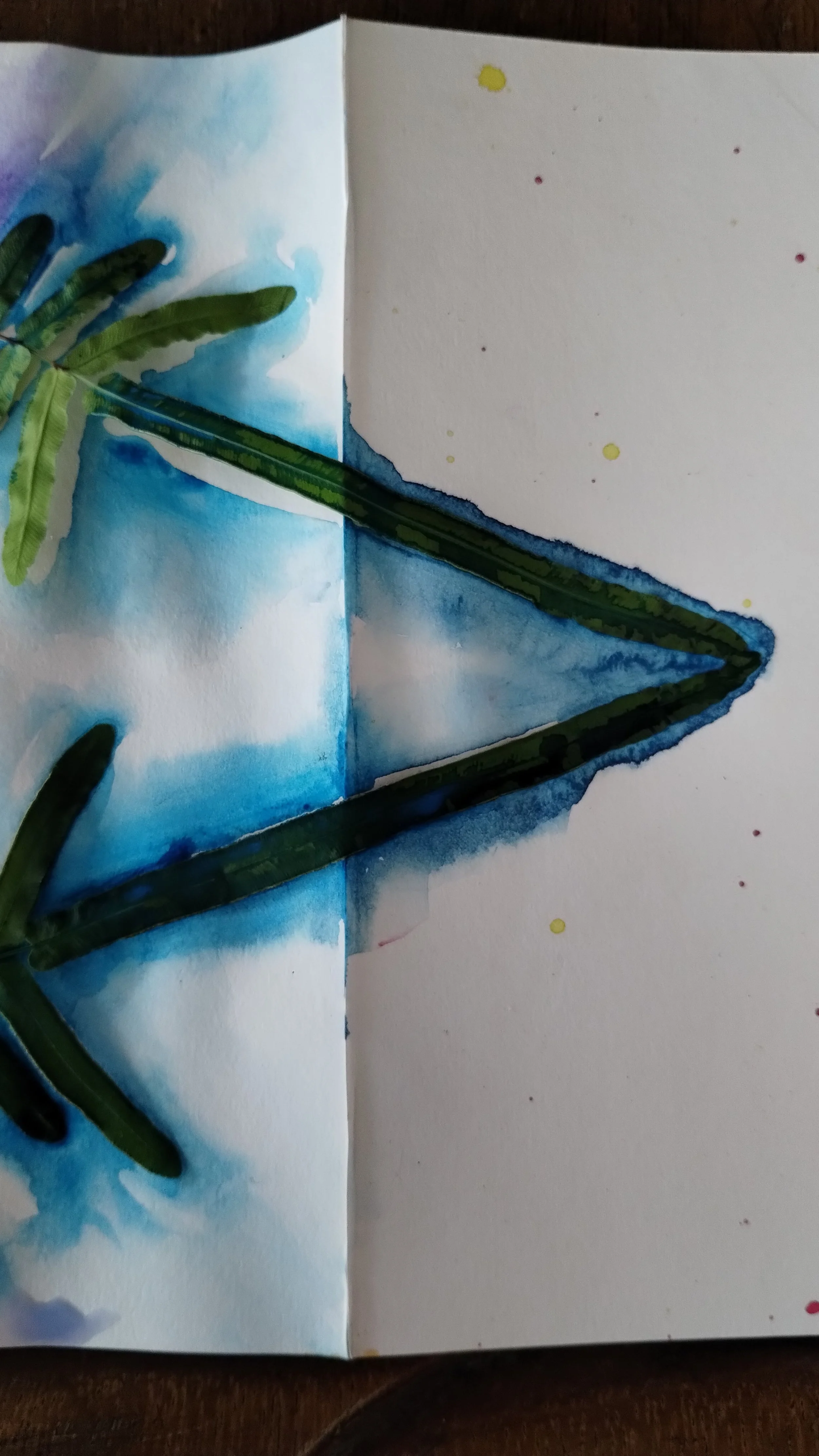
I created the fern prints first, then added the copper lines — the only other time straight lines have appeared on my maps was the sunrays moving from Switzerland to Colombia, penetrating the jungle canopy. I wanted the copper lines to converge at the point of the watercolour — a focus point of energy, of conductivity — much like when Archimedes set up a parabolic mirror to harness solar energy to a single point to burn an enemy ship (so the story goes).
From the other end, it represents sound waves — speech that emerges from the abstract flow of water.
As I write this, I’m about to set sail for my next residency…
Keep updated on videos of making and exploring on my Instagram @routesbyalliejoy
